New legislation would prohibit minors from buying or consuming energy drinks, restrict advertising aimed at children and introduce mandatory registration for products sold on the Croatian market.
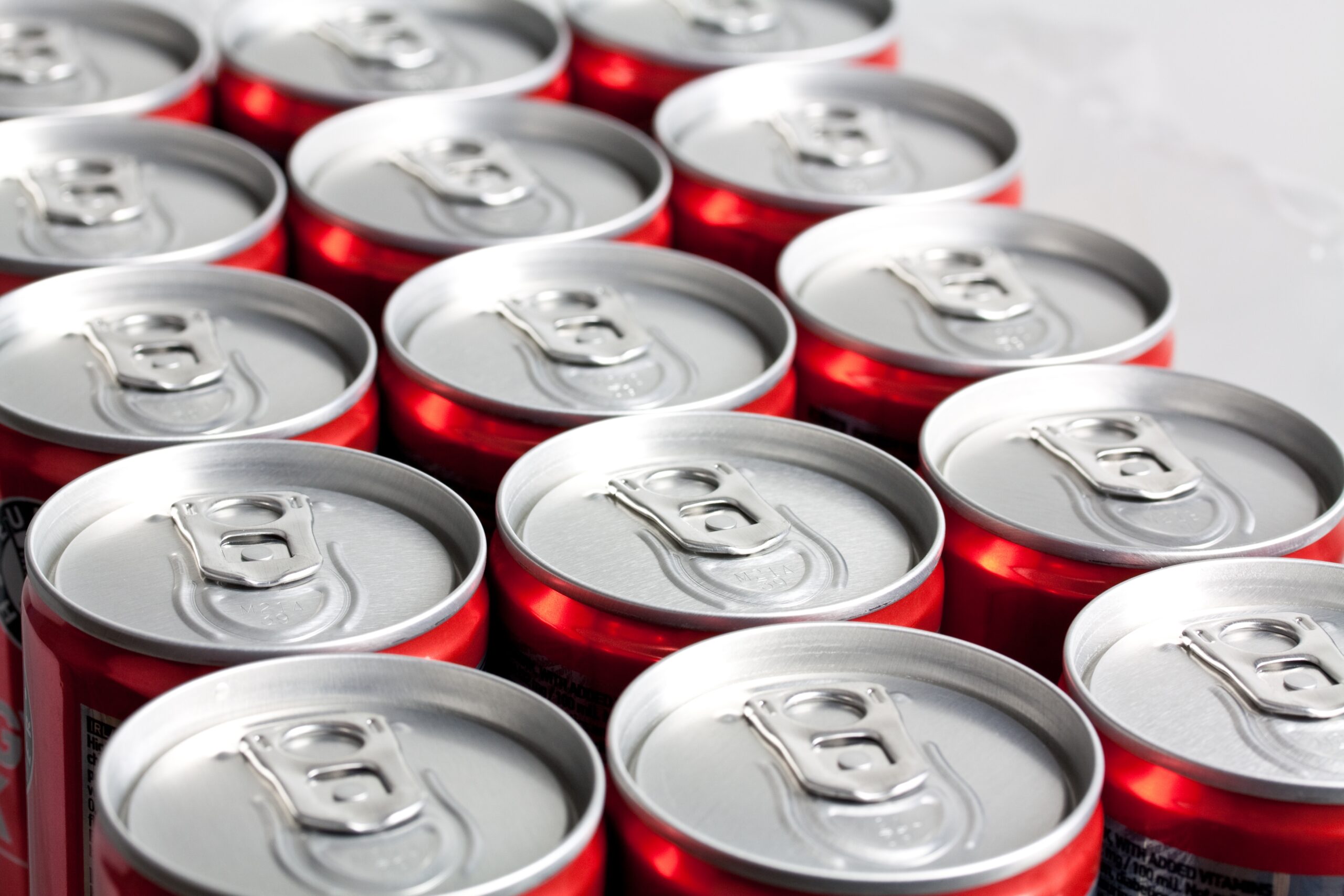
Croatia is preparing new legislation that would prohibit anyone under the age of 18 from purchasing and consuming energy drinks, as authorities seek to protect children and teenagers from potential health risks associated with the products.
The proposed law is being developed by the Ministry of Health and is expected to be submitted to the government’s legislative process by the end of 2026.
The initiative would introduce additional restrictions following a ban on selling energy drinks to minors in retail stores introduced in June this year. Further amendments to hospitality regulations would also prohibit cafes and restaurants from serving the drinks to anyone under 18.
The proposed amendments to the hospitality law are currently in the second-reading stage.
Health Concerns Drive Proposed Restrictions
Croatian Health Minister Irena Hrstić said energy drinks could pose particular risks to children and adolescents, whose bodies are still developing.
“Energy drinks are not harmless, and their effects can be more pronounced in children and young people, whose bodies are still developing,” Hrstić said.
She added that the proposed legislation would go beyond warnings on product packaging by considering the composition of the drinks and their potential effects on young consumers.
Research by the Croatian Institute of Public Health (HZJZ) indicates that energy drink consumption is widespread among schoolchildren. Some minors reportedly consume 750 milliliters or more per day.
Caffeine, other stimulants and high sugar concentrations have raised concerns about potential effects on the cardiovascular and nervous systems, according to Croatian media reports.
Which Drinks Would Be Covered?
Under the proposal, energy drinks would be defined as beverages containing more than 150 milligrams of caffeine per liter. Coffee, tea and cocoa-based products would be excluded from this definition.
The legislation would also introduce restrictions on marketing and promotion, including a ban on advertising targeted at minors.
Promotional activities involving energy drinks would be prohibited in schools, which would also be required to introduce preventive educational programs informing students about the potential health risks.
Mandatory Product Registration
The Croatian Institute of Public Health would play a central role in monitoring the market and maintaining an official register of energy drinks and similar products.
Manufacturers would be required to register products sold on the Croatian market under the proposed system.
The draft legislation is expected to enter the government’s legislative procedure by the end of the year. If adopted, the measures would significantly expand restrictions on how energy drinks are sold, marketed and served to minors in Croatia.