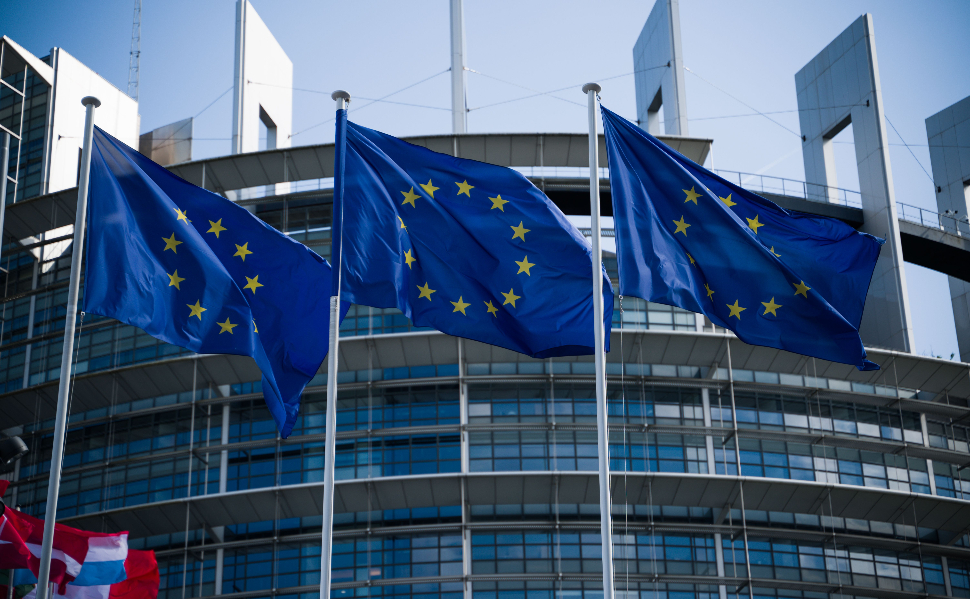
The European Union has removed a proposal to offer Canada “associate member” status after several member states opposed the idea, according to a draft joint statement obtained by POLITICO.
Germany, France and Greece were among the countries that objected to including the term in a declaration being prepared for an upcoming EU-Canada summit in Montreal.
Instead, the revised document proposes a closer relationship between Canada and the 27-member bloc without creating a formal associate membership category.
The change comes as European and Canadian leaders seek to strengthen their cooperation on trade, economic security and strategic priorities.
Why EU Countries Opposed Associate Membership
European Commission President Ursula von der Leyen first raised the possibility of associate membership for Canada during her State of the European Union address in September.
The proposal reportedly surprised some EU governments, which had not agreed on what such a status would mean.
An earlier version of the summit statement proposed defining the concept of associate membership by the 2027 EU-Canada Summit.
The arrangement was intended to reflect closer cooperation on economic prosperity, security and strategic autonomy.
However, objections from several EU countries led negotiators to remove the term.
The revised statement now calls for an “ever closer association” between Canada and the European Union.
It also proposes developing a clearer definition of that relationship by the 2027 summit, while explicitly stopping short of full EU membership.
The updated language does not establish a new legal membership status for Canada.
According to POLITICO, the draft still required final approval, meaning the wording could change before its formal adoption.
Canada and EU Still Pursue Stronger Partnership
Despite the disagreement over terminology, the European Union is continuing efforts to expand its partnership with Canada.
The proposed relationship would build on existing cooperation between the two sides, with a particular focus on shared economic and security interests.
Canadian Prime Minister Mark Carney played down the importance of the change in wording.
Speaking Tuesday, Carney said the practical benefits of closer cooperation mattered more than the name attached to the arrangement.
“What matters is the difference that it will make to lives of Canadians,” he said.
The debate highlights the distinction between strengthening relations with a country and creating a new form of membership within the European Union.
Canada is not seeking full EU membership under the proposal described in the draft.
Instead, the discussions concern a closer institutional partnership that could provide a framework for future cooperation.
For Canadians, the outcome of the Montreal summit could help clarify how the country plans to deepen its relationship with Europe.
For the EU, the negotiations offer an opportunity to strengthen ties with a major democratic partner while preserving agreement among its member states.
The final summit declaration will determine how both sides formally describe their next steps toward a closer partnership.