Airbnb is introducing new rules that limit the cleaning tasks hosts can ask guests to complete before checkout. Starting November 20, 2026, hosts will generally no longer be allowed to require guests to strip bedsheets, wash and put away dishes, or take garbage off the property.
Airbnb is changing its house rules policy following complaints from travelers who have been expected to complete lengthy cleaning checklists despite paying cleaning fees for their stays.
The new policy, announced this week, aims to make expectations clearer for both hosts and guests while ensuring that tasks requiring significant time or effort remain the responsibility of professional cleaners.
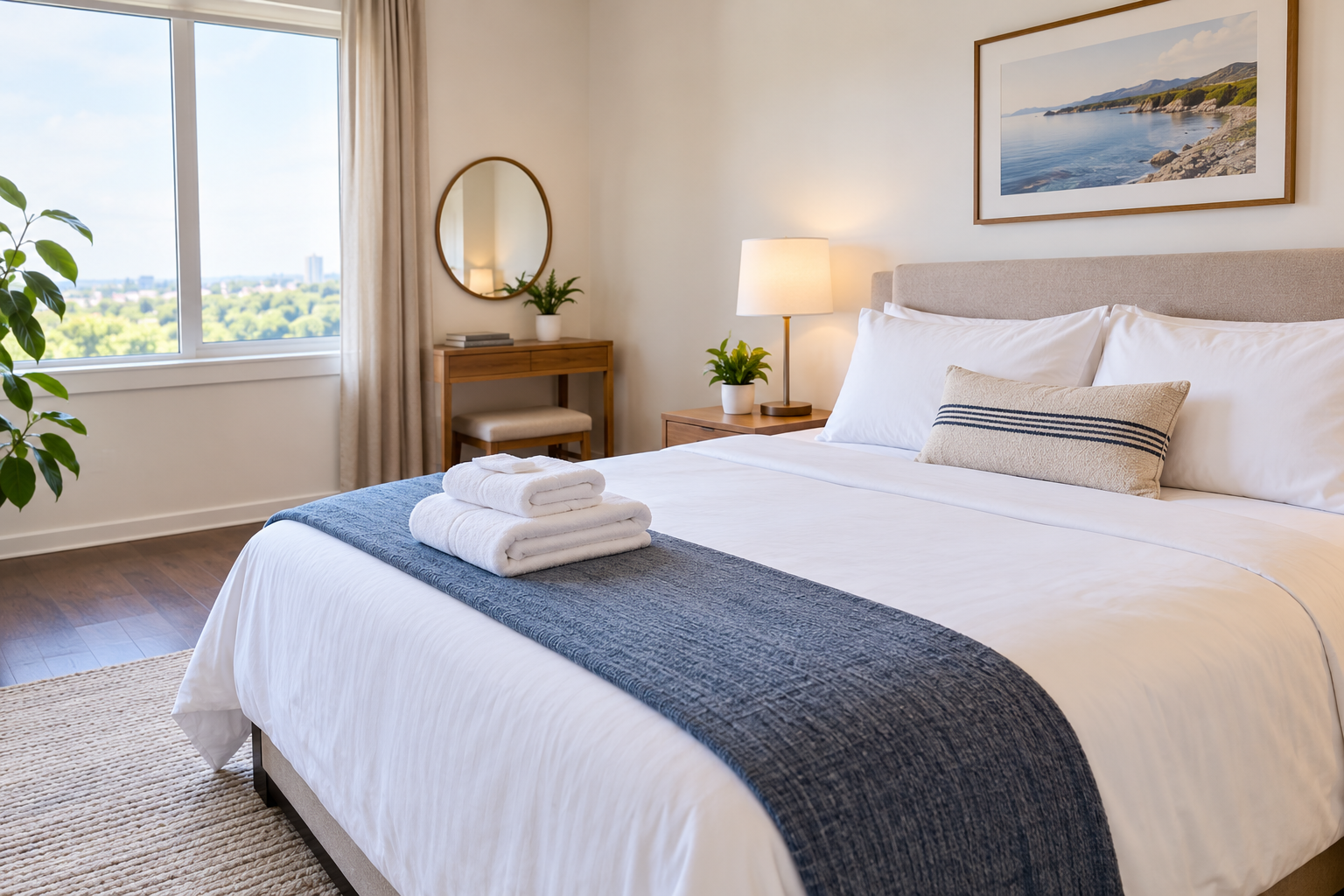
Under the revised rules, hosts may not ask guests to perform chores that would typically be handled by a cleaner, including stripping beds, washing and putting away dishes, or taking trash off-site.
The changes will apply to reservations booked on or after November 20, 2026, according to Airbnb’s official policy.
What Can Airbnb Hosts Still Ask Guests to Do?
The new rules do not eliminate all checkout requests. Hosts can continue to ask guests to leave the property in a reasonable condition, provided the requests comply with Airbnb’s policy.
For example, guests may still be asked to place used dishes in the sink, gather used towels in one place, or separate garbage and recycling into designated indoor bins.
Hosts can also ask guests to turn off air conditioning or other amenities when leaving the property.
However, they cannot require guests to wash and put away dishes, remove bedsheets or start a load of laundry.
Exceptions may apply depending on the location. In areas affected by drought, for example, hosts may reasonably ask guests to limit shower times. In regions where bears are common, guests may be asked to place trash in animal-proof containers.
House Rules Must Be Clearly Disclosed Before Booking
Alongside the policy changes, Airbnb is making house rules easier to find on its platform.
A new “House Rules and Requests” section will appear more prominently on property listings, allowing travelers to review expectations before making a reservation. The information will also be available through guests’ Trips tabs and reservation reminders.
Hosts will be able to select from seven standardized house-rule categories:
- Maximum number of overnight guests
- Quiet hours
- Events and gatherings
- Pets
- Smoking, including vaping
- Commercial photography and filming
- Locking up at checkout
All house rules and requests must be disclosed in the designated section of the listing when the guest books. Hosts cannot introduce new requirements after a reservation has been made through messages, signs inside the property or verbal instructions.
Airbnb says the goal is to prevent travelers from encountering unexpected demands after they have already committed to a stay.
“House rules help guests understand what hosts expect, but we’ve heard from our community that they can be confusing, onerous and hard to manage,” an Airbnb spokesperson said.
“So we’ve redesigned them to make them easier to discover and clearer to set, alongside a new policy that keeps requests reasonable, with no surprises.”
What Happens If Hosts Violate the New Rules?
Airbnb says it will review complaints and take action when house rules or requests do not comply with its policy.
Depending on the circumstances, the company may educate hosts, request changes to their listings or issue warnings. Persistent violations could result in notices on property listings, reduced visibility in search results or other enforcement measures.
Guests can also report hosts who impose unreasonable cleaning demands or introduce new rules after booking.
The platform continues to require guests to follow legitimate house rules. However, it distinguishes between enforceable house rules and reasonable requests, which guests are encouraged to respect.
Debate Over Cleaning Fees and Guest Responsibilities
The policy change comes amid ongoing complaints from travelers who say some short-term rental listings charge substantial cleaning fees while requiring guests to complete extensive checkout chores.
In July, a couple operating an Airbnb in Glenville, Georgia, attracted widespread attention after posting videos criticizing guests for allegedly violating strict house rules. In one video, they complained about misplaced blankets and a television remote, as well as leftovers left in the refrigerator and an ottoman moved slightly from its original position.
Such examples have fueled debate about the responsibilities of hosts and guests, particularly when travelers are charged separately for cleaning.
Airbnb’s revised policy does not abolish cleaning fees. Instead, it clarifies that standard cleaning tasks should not be shifted onto guests through unreasonable checkout demands.
The company says clearer rules will help travelers make informed booking decisions and give hosts a more consistent framework for managing their properties.
For guests planning future trips, the change means fewer checkout chores and greater transparency about what is expected before they reserve a property.