Macedonia has again sided with the United States at the United Nations, voting against a resolution calling for an end to Washington’s decades-old economic embargo on Cuba. The decision places Macedonia among just 17 countries opposing the measure.
The UN General Assembly adopted the resolution on October 28, with 130 countries voting in favor, 17 against and 25 abstaining.
Macedonia joined the United States, Israel and several other countries in opposing the resolution.
The vote marks the second consecutive year that Macedonia has taken this position, reflecting its alignment with Washington on a major international diplomatic issue.
Macedonia Among 17 Countries Opposing the Resolution
Support for the annual resolution declined significantly compared with 2025, when 165 countries voted in favor and only seven opposed it.
Macedonia was among those seven countries last year.
This year’s vote also exposed differences among Balkan countries.
Bosnia and Herzegovina and Slovenia joined Macedonia in voting against the resolution.
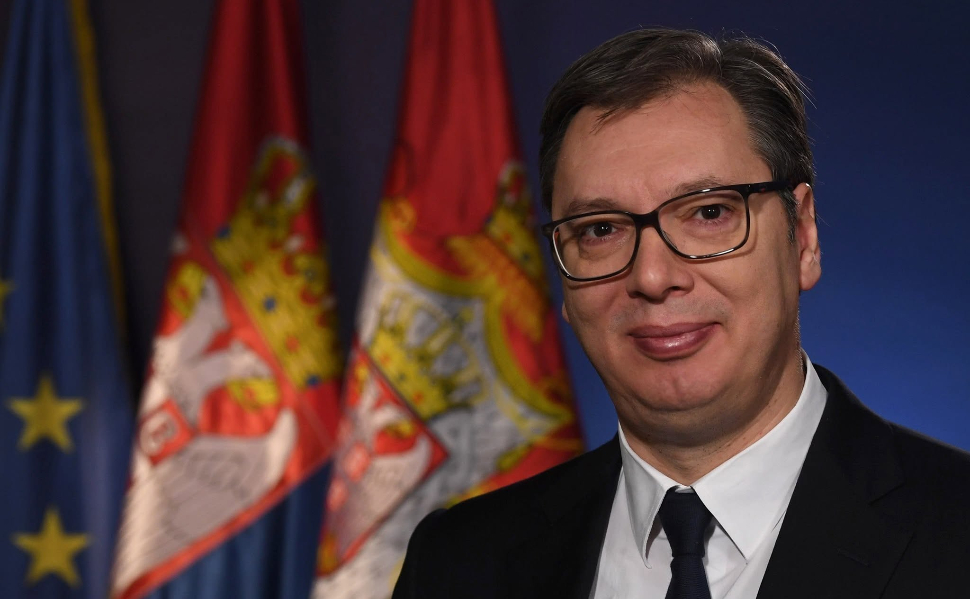
Serbia supported the call to end the embargo, while Croatia, Montenegro and Albania abstained.
Germany and Italy also abstained, reflecting a broader shift in international voting patterns.
The Trump administration had intensified diplomatic efforts to persuade countries to oppose the resolution or abstain.
The United States has maintained economic restrictions on Cuba for more than six decades.
Although the UN General Assembly has repeatedly called for their removal, the annual resolution is not legally binding.
It cannot compel Washington to change its sanctions policy.
Washington Welcomes Shift in International Support
US Ambassador to the United Nations Mike Waltz welcomed the reduced support for the resolution.
Washington argues that its policies respond to Cuba’s political system and the government’s restrictions on fundamental freedoms.
Cuban officials reject that position and accuse the United States of worsening the country’s economic and humanitarian crisis.
Cuba continues to face severe shortages of fuel, food and essential supplies, alongside widespread electricity disruptions.
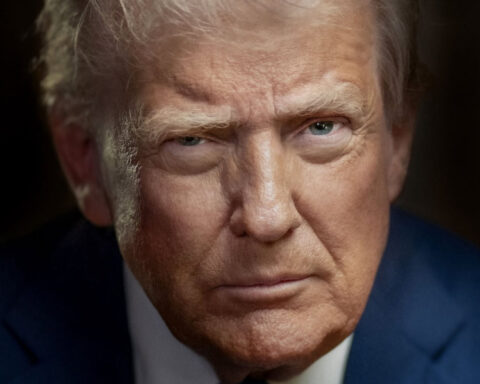
The dispute has intensified under President Donald Trump, whose administration has increased economic pressure on Havana.
For Macedonia, the latest vote reinforces its diplomatic alignment with the United States, one of its principal strategic partners.
However, voting alongside Washington does not establish whether the Macedonian government coordinated its decision directly with US officials.
The contrast with Serbia’s position also illustrates how neighboring Balkan countries approach relations with Washington differently.
While most UN member states continue to oppose the embargo, Macedonia has maintained its support for the American position for a second consecutive year.