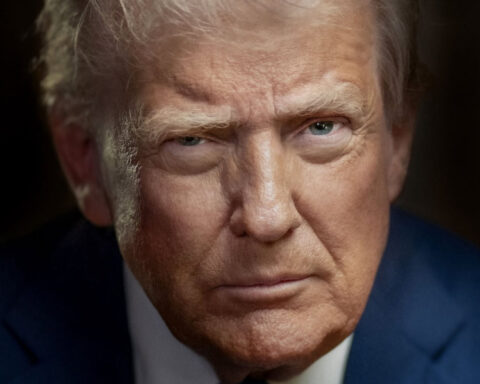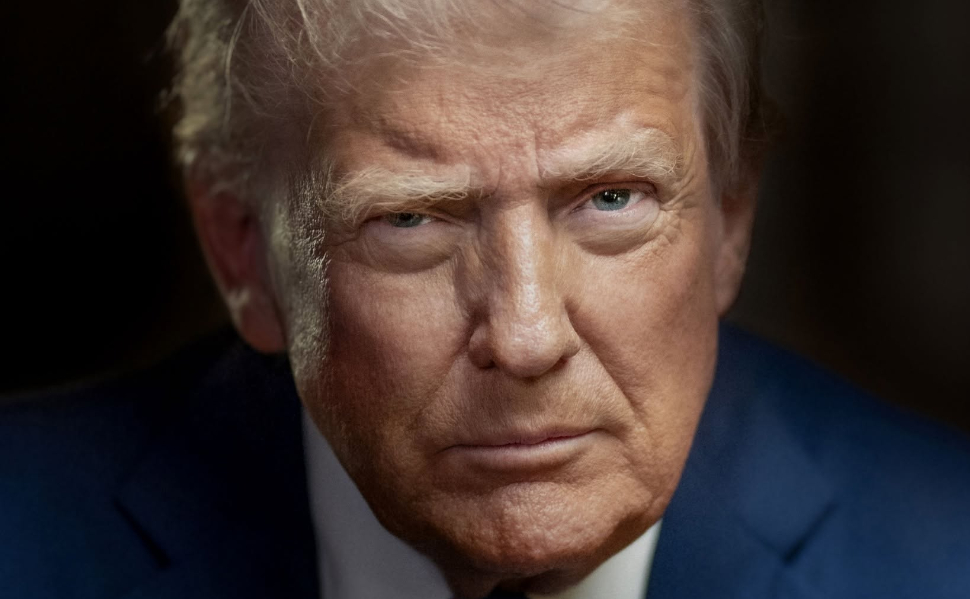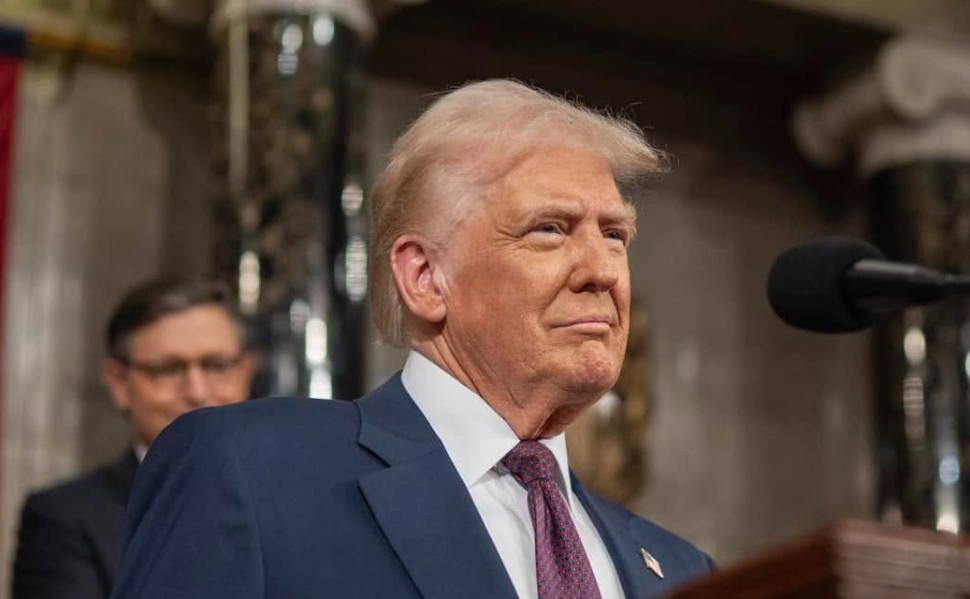
President Donald Trump has expressed his willingness to work with Democrats following their victories in the 2026 US midterm elections, while making clear that he intends to use his presidential veto power to challenge legislation he opposes.
Speaking in interviews with CBS News and Fox News, Trump acknowledged the changing political landscape in Washington but emphasized that his administration would continue pursuing its priorities.
Democrats secured control of both chambers of Congress in the November 3 elections, creating the prospect of divided government during the remaining two years of Trump’s presidency.
Despite the Republican Party’s electoral setbacks, Trump said he believed agreements with Democrats would still be possible.
Trump Sees Opportunity for Negotiations With Democrats
In an interview with The New York Times, Trump said he expected to work with Democratic lawmakers and suggested that the two parties could eventually reach agreements.
He also congratulated Democrats on their election performance, acknowledging that they had campaigned effectively.
However, the president made clear that cooperation would not mean abandoning his administration’s policy priorities.
During an election-night interview with Fox News, Trump explained that he would reject legislation he considered unacceptable, predicting that disagreements could eventually lead both parties toward negotiations.
The president suggested that repeated vetoes could encourage congressional leaders to seek compromises.
His comments indicate that the White House is preparing for a new political environment in which negotiations with Democratic lawmakers may become increasingly important.
Presidential Veto Could Shape the Next Two Years
Trump emphasized the constitutional authority of the presidency during his interview with CBS News, describing the veto as an important tool for responding to legislation passed by Congress.
Under the US Constitution, a president can reject legislation approved by both chambers. Congress can override a presidential veto with a two-thirds majority in both the House of Representatives and the Senate.
This means that even with Democrats controlling Congress, the president retains significant influence over which bills become law.
Trump also expressed confidence in his administration’s ability to continue implementing its agenda through executive authority.
In his CBS News interview, he pointed to a recent Supreme Court ruling involving the Federal Trade Commission as an example of what he considers expanded presidential authority over federal agencies.
The scope of executive authority remains subject to constitutional limits and judicial review.
For Washington, the election results establish a new balance of power between the White House and Congress.
Trump’s latest comments suggest that his approach will combine negotiations with Democrats and the use of presidential powers when the two sides cannot reach an agreement.
Whether that approach produces bipartisan legislation or prolonged political confrontation will depend on the decisions made by both the administration and congressional leaders in the coming months.