Croatian President Zoran Milanović has once again sparked controversy with his choice of foreign visits—this time to Georgia, a country whose current authorities are accused of pro-Russian policies and democratic backsliding.
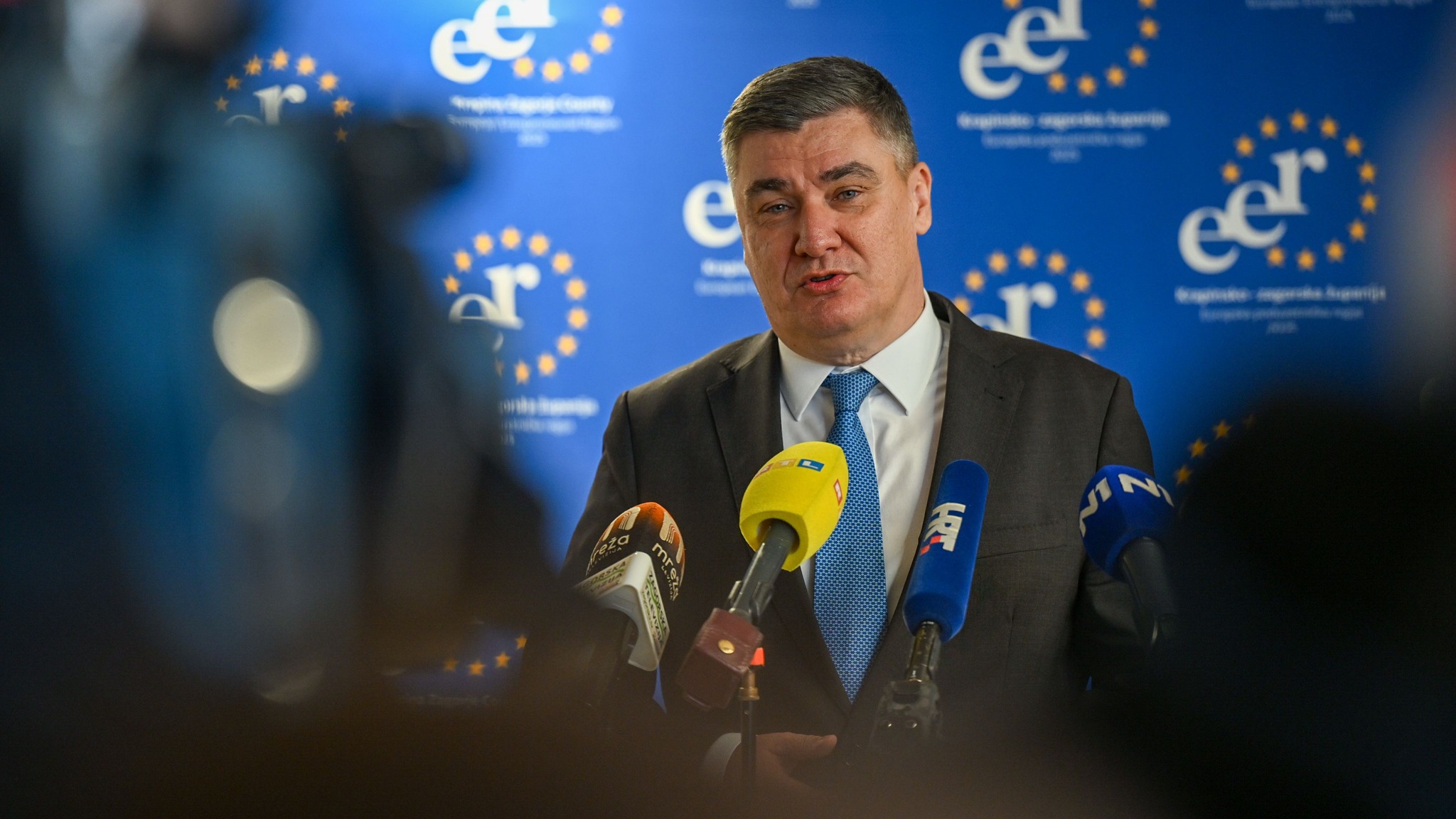
“I decided to accept the invitation for an official visit to Georgia to see what kind of country this is that is being accused of having a pro-Moscow political course,” Milanović said, a statement that came amid opposition protests in Georgia and was widely interpreted as lending legitimacy to an anti-European government.
What connects Georgia with Hungary and Slovakia—countries Milanović has also visited or openly aligned himself with—is their perceived closeness to the Kremlin, resistance to certain EU policies, and frequent accusations of authoritarian governance, political corruption, and obstruction of EU integration.
Milanović is known for his cordial relations with Hungarian Prime Minister Viktor Orbán and Slovak Prime Minister Robert Fico. Critics, therefore, question why these countries, rarely visited by the Croatian president, repeatedly appear on his limited foreign-policy agenda.
Accusations of Stolen Elections
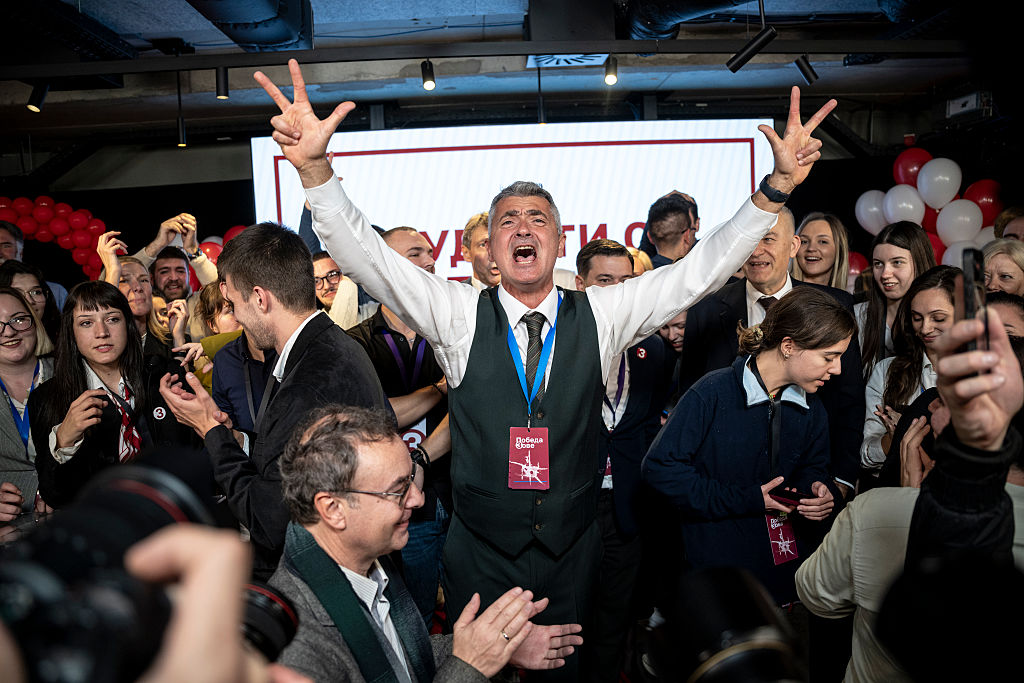
Milanović’s arrival in Georgia comes at a time when pro-European opposition forces have been protesting since October 2024, accusing the authorities of rigging parliamentary, presidential, and local elections, maintaining close ties with Russia, and freezing negotiations with the European Union.
By visiting Georgia under such circumstances, critics argue, Milanović effectively legitimized a government accused of electoral fraud and democratic erosion.
“Claiming that a state that does not even have diplomatic relations with Moscow is a Moscow agent sounds counterintuitive and hard to understand,” Milanović said, echoing arguments he has previously used in defense of Orbán and Fico against accusations of pro-Russian alignment.
Listening to the Authorities, Not the Opposition
During the visit, Milanović met with Georgian officials whose legitimacy the pro-European opposition rejects. He expressed understanding for a government accused of stealing elections, restricting media and LGBTQ rights through pro-Russian-style legislation, and imprisoning a reformist former president.
At the same time, thousands of Georgian citizens continue to protest in the streets, facing harsh police responses, while demanding closer ties with Europe and democratic reforms.
A Pattern of Choices
Observers note that Milanović travels abroad rarely, but when he does, he often chooses destinations perceived as close to Moscow. This pattern, they argue, reveals his political preferences and criteria for foreign engagement.
Croatian Prime Minister Andrej Plenković mockingly suggested that Milanović should “stop by Ukraine on the way,” fully aware that such a visit is highly unlikely. Milanović has consistently criticized military aid to Ukraine and aligned himself with leaders who oppose or obstruct EU solidarity with Kyiv.
The Open Question
Why did Milanović ignore nearly a year and a half of pro-European protests in Georgia? Why did he choose not to support democratic demonstrators, but instead engage with a government accused of pro-Russian orientation?
And the key question remains: was this visit conducted in the interest of Croatia—or someone else’s?