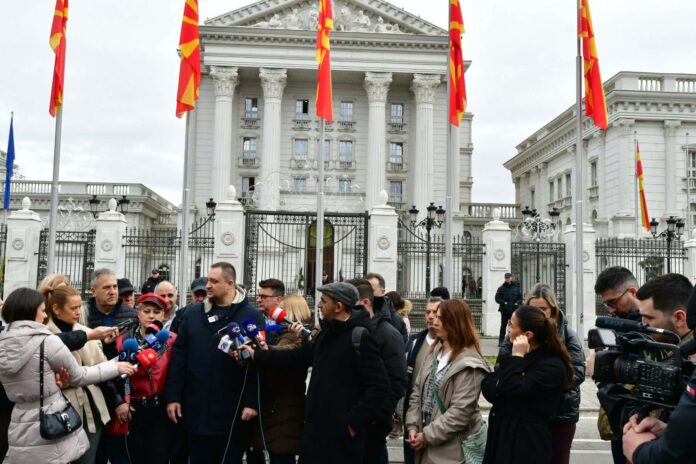
A growing standoff over wage policy in North Macedonia is exposing deep frustrations among workers and unions, who argue that while the state budget has room for spending, ordinary employees are being left behind as political priorities shift away from improving wages.
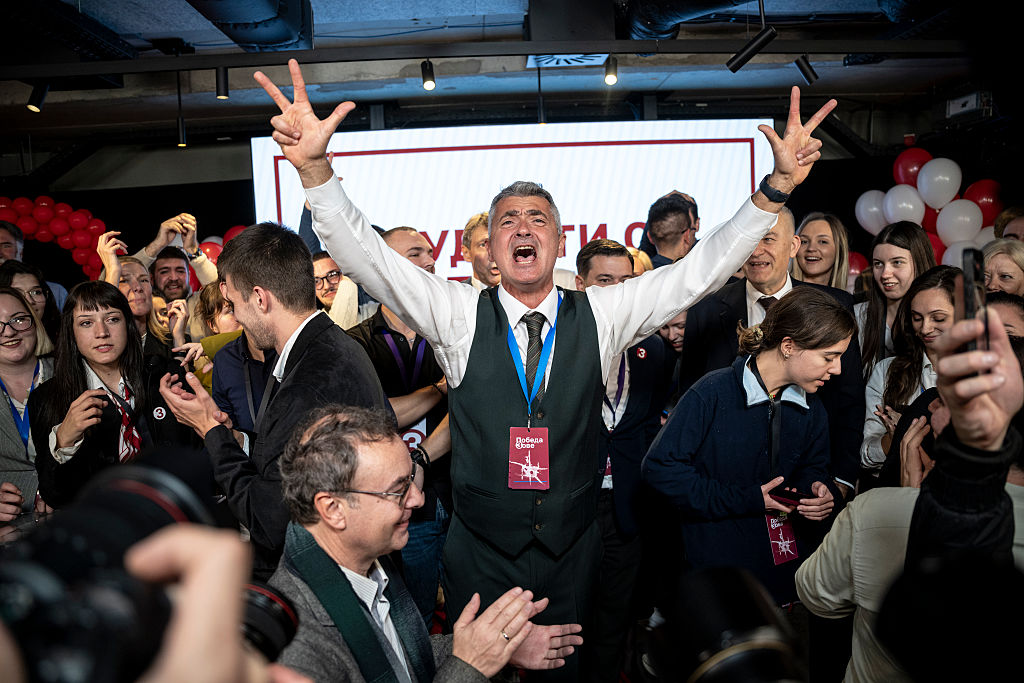
This debate escalated earlier this week when the Federation of Trade Unions of Macedonia (SSM) openly challenged the government’s fiscal choices. SSM leaders claim that although the national budget contains funds, they are not being allocated to raise salaries for the people who actually produce the wealth – the workers themselves. Instead, tentative deals with employers and budget planning processes have stalled progress on boosting the minimum wage and broader pay scales.
Unions have warned that failure to reach an agreement on wage increases could lead to major labor actions, including potential strikes and protests across multiple sectors as early as March. SSM says workers are exhausted by slow negotiations and the rising cost of living. The union highlights that only 17 % of the value workers generate flows back into their pay packets, a ratio it calls unjust and unsustainable.
Divergent Views on Budget Realities
While unions decry what they see as misplaced budget priorities, government officials argue that economic conditions and structural constraints limit immediate wage increases. Recent budget planning documents show that authorities have earmarked some funds for higher salaries and pensions, but the pace and scale of actual increases remain contested.
Prime Minister Hristijan Mickoski’s administration previously stated that public sector wages could rise by around 40% over a multi‑year period, but unions and opposition parties have criticized this as too slow and insufficient – particularly for workers earning the least.
Minimum Wage Debate and Worker Expectations
One of the core sticking points is the minimum wage level, which remains comparatively low across the country. Trade unions and opposition figures have pushed for a minimum wage closer to 600 euros per month, arguing that current levels do not match living costs and are among the lowest in the region. Government negotiators have resisted such a sharp increase, saying fiscal realities necessitate a more cautious approach.
Analysts warn that without meaningful wage growth, North Macedonia risks both brain drain – as skilled workers seek better pay abroad – and shrinking domestic demand, which could slow economic recovery. These concerns come amid broader regional discussions about wage stagnation and economic inequality.
Workers Seek More Than Pay
Beyond salary figures, union representatives emphasize that the fight is also about respect and dignity. They argue that many workers feel undervalued and that the current budgetary choices reflect political priorities that favor employers and administrative interests rather than broad‑based social welfare.
As negotiations continue, public attention is turning toward whether the government will make substantive changes to wage policy or risk escalating tensions with organized labor. For many workers, the current budget isn’t just a financial plan – it’s a statement about whose needs matter in the country’s economic future.