Serbia has officially advanced the first seven finalists in its national selection process for the Eurovision Song Contest, moving closer to choosing its representative for the upcoming competition. The selection has generated intense public interest, not only because of the musical performances but also because of the controversy surrounding one of the competing songs and strong reactions on social media. While the competition continues under its established format, debate over artistic expression, political symbolism, and regional sensitivities has added a layer of tension to this year’s process.
The first group of finalists secured their places after presenting their songs in the initial stage of the national contest. The format follows Serbia’s standard Eurovision selection procedure, combining jury evaluation and public voting to determine who advances. The remaining stages will culminate in a final vote that will officially decide which performer will represent Serbia on the Eurovision stage. The announcement of the first seven finalists has intensified anticipation ahead of the decisive round, with audiences closely following developments.
One of the performances that attracted significant attention was Zejna’s, whose stage appearance sparked widespread discussion online. Viewers commented extensively on her performance, staging, and overall presentation, with reactions ranging from praise to criticism. Social media platforms quickly became a central space for debate, reflecting the strong public engagement traditionally associated with Serbia’s Eurovision selection.
At the same time, the song titled “Jugoslavija” has become the focal point of controversy. The title and perceived message of the entry have been interpreted by some as carrying political symbolism, prompting reactions both within Serbia and abroad. Media discussions have raised questions about whether the song’s theme could be seen as politically sensitive, especially given Eurovision’s rules prohibiting overt political messaging. The situation has also drawn commentary in foreign media, which speculated about potential regional disagreements connected to the historical references implied in the song. Supporters of the entry have defended it as an artistic work that should not automatically be categorized as political, arguing that cultural and historical themes are often part of creative expression. Critics, however, maintain that Eurovision’s framework requires strict neutrality and caution against any content that could be interpreted as politically charged. The debate has therefore expanded beyond musical preferences into broader discussions about identity, memory, and interpretation.
Despite the heightened controversy and polarized reactions, the official selection process continues according to schedule. Organizers remain focused on conducting the competition under established rules, with the final decision to be made through the combined voting system. As Serbia moves toward selecting its Eurovision representative, the mixture of music, public reaction, and political sensitivity underscores the enduring cultural significance of the contest both nationally and regionally.
Serbia Advances First Finalists for Eurovision Amid Controversy Over Politically Interpreted Entry






Most Popular

Croatia’s Eurovision entry sparks controversy and apologies, as Tony Cetinski says country was “closer than ever” to victory
Croatia’s representatives at the Eurovision Song Contest, the group Lelek, became the focus of international attention following a series of controversies and
Macedonia Ranks 52nd in Atlantic Council Prosperity Index, 73rd in Freedom Rankings
Macedonia has been placed 52nd globally in the Atlantic Council’s 2026 Prosperity Index and 73rd in its companion Freedom Index, according to

Zlatibor Tourism Surges Past 100,000 Overnight Stays in May
The Serbian mountain destination welcomed more than 41,000 visitors in May as domestic tourism remained strong and international interest continued to grow.

Latest from Blog

Banks Are Cancelling Credit Cards of Influencers Who Push Rewards Programs to the Limit
Banks are tightening their rules on credit card rewards, affecting everyday points enthusiasts, high-profile influencers and websites that have built online audiences by sharing strategies for maximizing points, miles and other benefits.

Legendary SS United States to Be Sunk Off Florida Coast to Become World’s Largest Artificial Reef
The historic ocean liner, which once held the transatlantic speed record and carried generations of passengers, is set to begin a new chapter beneath the Gulf of Mexico as a major attraction

Luka Dončić Explodes for 52 Points as Nikola Jokić Fires Back at Denver Fans
The Slovenian superstar led the Los Angeles Lakers to a comeback victory over Utah, while Serbian center Nikola Jokić recorded a triple-double to help Denver rally past New Orleans in overtime before
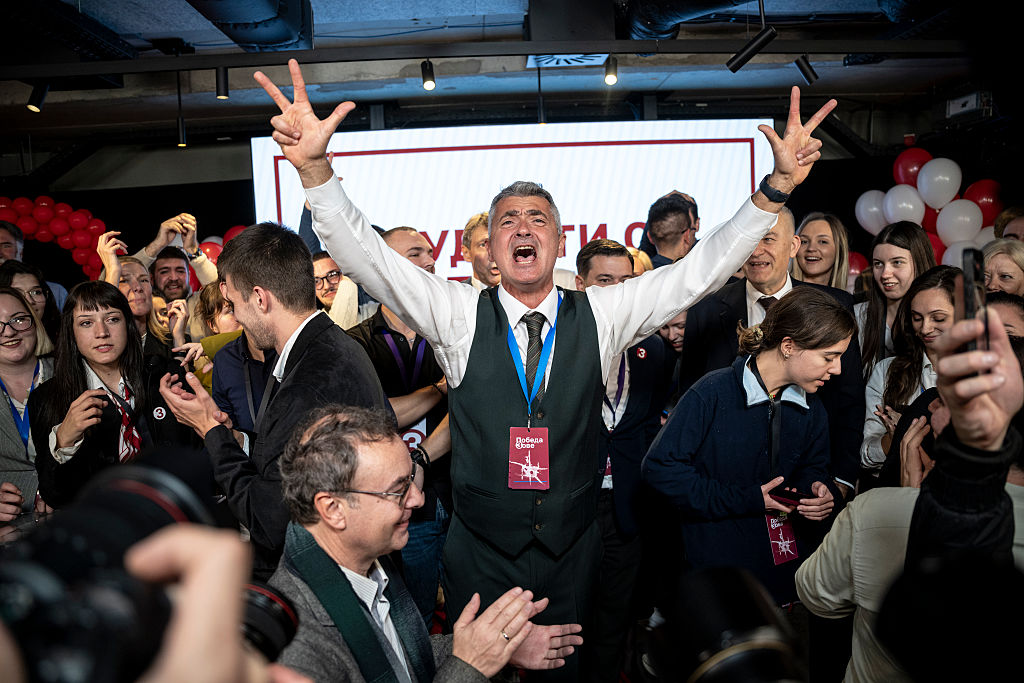
Serbia’s Student Leader Ilija Srdanović Vows to Restore Institutions and Uphold the Rule of Law
In his first interview with Croatian media outlet Telegram following the reported election victory, cardiologist and student-list leader Ilija Srdanović says the new leadership’s priorities will include strengthening state institutions, respecting the

Joe Mitchell: From Iowa’s Youngest State Lawmaker to a Congressional Candidate With a Message for Balkan Americans
First Balkan Media speaks with Republican congressional nominee Joe Mitchell about entering politics at a young age, his experience in the Trump administration, his connection with the American Balkan Trade Center, and