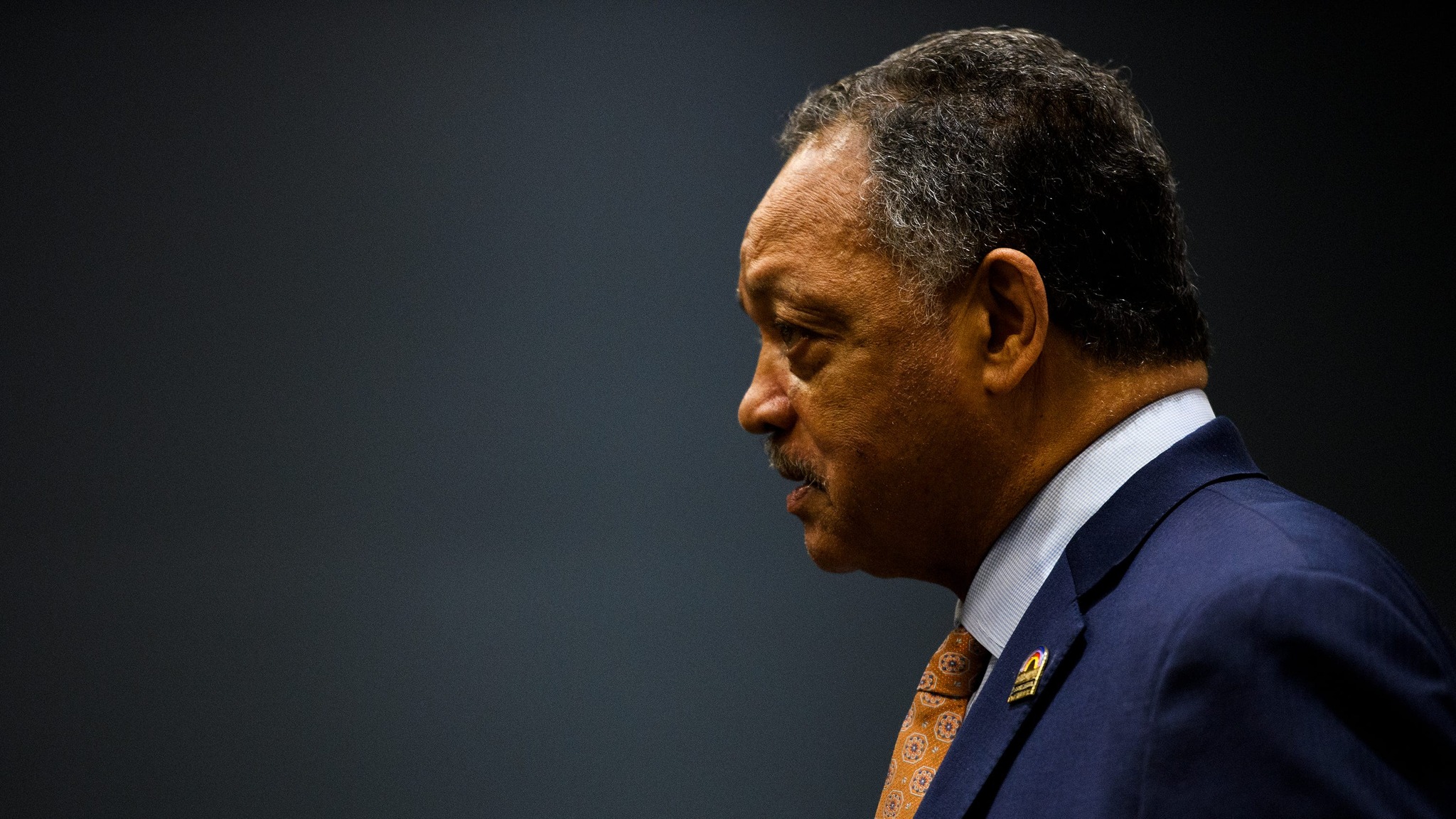
The Rev. Jesse L. Jackson Sr. has died at the age of 84, ending a public life that spanned the civil rights movement, national electoral politics and decades of advocacy for voting rights, economic justice and human rights. His family said they had received an outpouring of support from around the world as condolences and tributes poured in from political leaders and civic figures across the United States.
A “bridge” from the King era to a new generation
Jackson rose to national prominence as a young organizer in Chicago and a close associate of Martin Luther King Jr.; he was in Memphis with King shortly before King was assassinated, and later became one of the most visible figures carrying forward the movement’s agenda in the decades that followed. Over time, he was widely viewed as a connective figure between the civil-rights leadership of the 1960s and later generations of Black political power, particularly as the Democratic Party’s coalition evolved.
Presidential bids and the “Rainbow Coalition” strategy
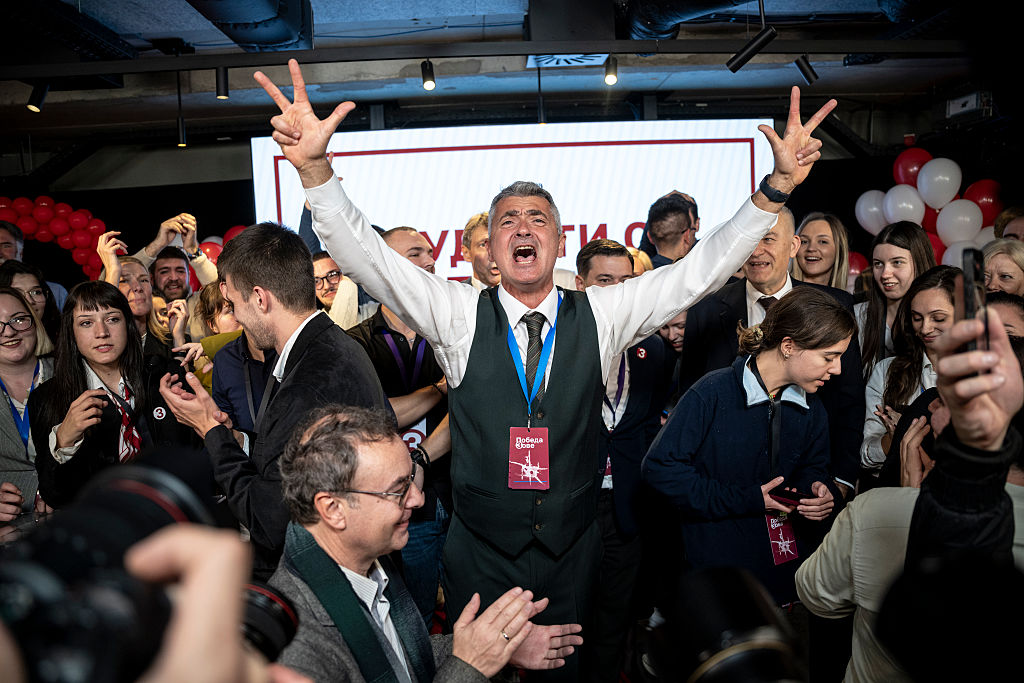
Jackson’s 1984 and 1988 runs for the Democratic presidential nomination became defining moments in modern US political history, both for the scale of Black voter mobilization and for the way they pushed progressive priorities into mainstream debate. Accounts of the 1988 campaign, in particular, describe how openly hostile and racist the environment could be in parts of the country, even as Jackson built a disciplined, long-running campaign that won contests and drew millions of votes, ultimately finishing second to the eventual nominee Michael Dukakis.
Signature language that shaped his public image
Jackson’s speeches and public appearances produced lines that became part of American political vocabulary, including his repeated “Keep hope alive” refrain associated with the 1988 convention season and his broader message of perseverance and political empowerment.
A cultural moment that endured: “I am somebody.”
Beyond politics, Jackson’s influence extended deeply into popular culture and civic education. A widely remembered example is his appearance on Sesame Street in 1972, where he led a multiracial group of children in the call-and-response chant “I am somebody,” a message of dignity and self-worth that resurfaced prominently after his death and was cited as a lasting symbol of the era’s aspirations.
Funeral and memorial schedule across multiple states
Organizers announced an extensive set of public commemorations beginning in Chicago at the headquarters of the civil-rights organization Jackson founded and led, where he is scheduled to lie in repose for two days. Plans then extend to events in Washington, D.C., and in South Carolina, his birth state, including a period in which he is expected to lie in honor at the South Carolina Statehouse, followed by additional public services. A separate request for him to lie in honor at the US Capitol was denied, according to reporting on the family’s plans and official responses.
How supporters described his lasting impact
Tributes and retrospective accounts emphasized Jackson’s decades-long role as a national organizer and coalition-builder—someone who fused civil-rights activism with electoral politics, kept pressure on institutions to expand participation, and used high-profile campaigns to make the demands of marginalized communities harder to ignore. In Chicago, planned memorial events were framed as a public “celebration of life” and a call to continue the work he championed, as civic leaders and supporters pointed to his long record of advocacy and political mobilization.