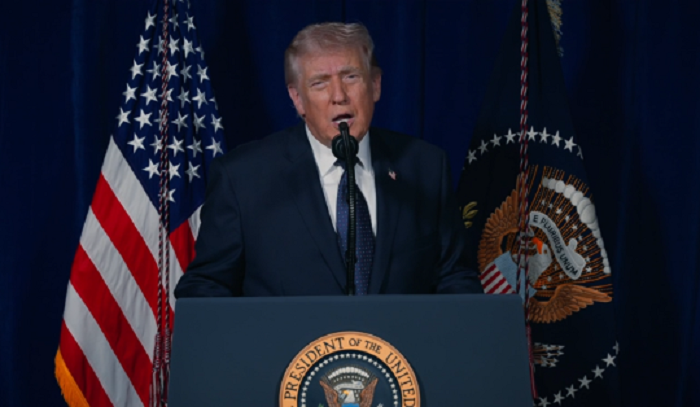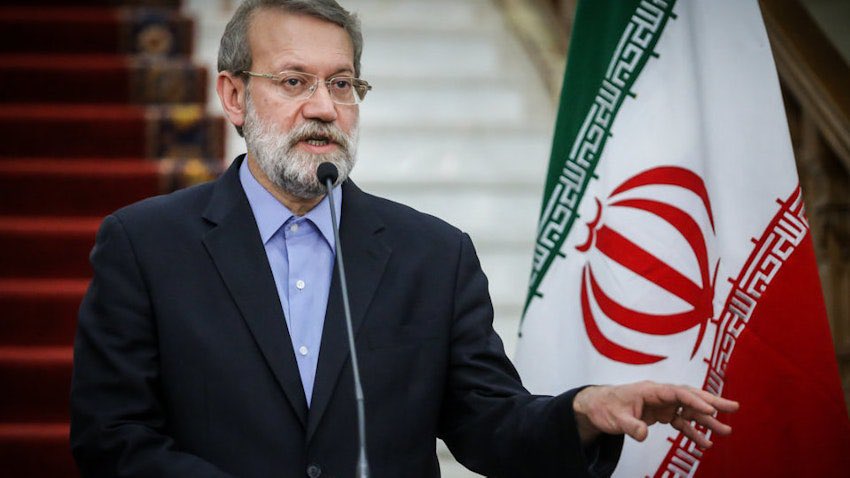
Iranian senior official Ali Larijani accused U.S. President Donald Trump of dragging the Middle East “into chaos” and firmly ruled out negotiations with Washington, as escalating military exchanges between Iran, the United States and regional allies ripple across the Gulf, strike civilian-linked infrastructure, and rattle global markets. Larijani said Tehran would not return to the negotiating table under current conditions, blaming U.S. military action and longstanding tensions for igniting a broader confrontation that now stretches well beyond direct U.S.–Iran hostilities.
Gulf states join U.S. in condemning Iranian strikes
Qatar, Saudi Arabia, the United Arab Emirates, Bahrain, Jordan and Kuwait joined the United States in condemning Iran’s missile and drone attacks across the region, describing them as violations of sovereignty and threats to civilian safety. In coordinated statements, the governments warned that continued escalation risks destabilizing the entire Gulf security framework and called for restraint, even as several of the same states raised air-defense readiness and temporarily adjusted airspace operations.
Blasts shake Gulf capitals as airspace disruptions spread
Explosions were reported in Doha, Dubai, Abu Dhabi and Kuwait City as Iranian retaliatory strikes targeted sites linked to U.S. and allied assets. Authorities in multiple Gulf countries temporarily restricted or rerouted flights, citing security concerns, while emergency services were placed on heightened alert. Though officials have not publicly detailed the full extent of damage, the attacks marked one of the most geographically widespread escalations in recent years.
Cyprus reports drone strike amid regional spillover
The conflict’s reach extended into the eastern Mediterranean, where officials confirmed that Cyprus was struck by a drone, underscoring fears that the confrontation is expanding beyond the immediate Gulf theater. While damage assessments remain ongoing, the incident heightened concerns among European governments about the security of key maritime and energy corridors in the region.
Oil prices surge and stock markets retreat
Energy markets reacted swiftly, with oil prices climbing sharply amid fears of supply disruptions, particularly around critical shipping routes such as the Strait of Hormuz. Stock markets across the Gulf, Europe and Asia posted declines as investors moved away from risk assets, reflecting anxiety that prolonged instability could disrupt trade flows and global economic growth.
Together, the diplomatic rupture, widening strike radius and financial volatility signal a rapidly intensifying regional crisis, with international actors weighing both military preparedness and urgent calls for de-escalation.