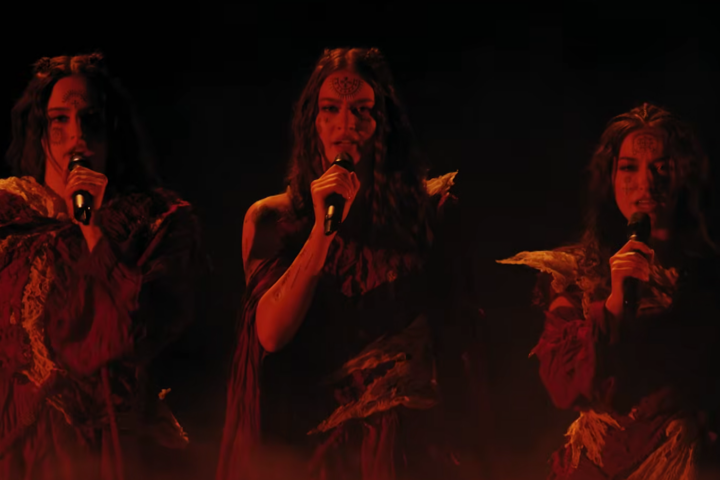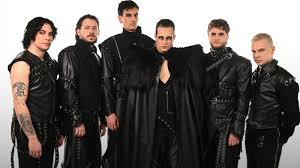
Serbia has chosen the metal band Lavina to represent the country at Eurovision 2026 with the song “Kraj mene,” after the group secured the top spot in the national selection “Pesma za Evroviziju 2026” with the strongest combined support from both the professional jury and the public. Lavina finished with 24 total points, including 12 points from the jury and 12 points from the audience, and will travel to Vienna, where Eurovision 2026 is scheduled to take place from May 12 to May 16.
A clear win powered by public voting and jury scores
Lavina’s victory was driven by an unusually aligned outcome: the band not only topped the jury ranking but also won the televote. Public voting delivered 29,759 SMS votes to Lavina—enough to award them the maximum 12 audience points under the show’s points conversion.
The winners’ immediate reaction: “We still don’t realize what’s happening.”
Frontman Luka Aranđelović said the band entered the competition spontaneously, describing each step—from passing the initial selection to ultimately winning—as a surprise, adding that they were still “collecting impressions” and “not fully aware” of what had happened. Organizers indicated preparations for Vienna would begin immediately after the win.
A first for Serbia: metal as the chosen genre
Festival representatives highlighted the significance of Serbia selecting a metal act, describing it as the first time the country will be represented by metal at Eurovision and framing it as an expression of musical diversity. They also pointed to the scale of the televised event, noting it was produced as a multi-day show with extensive live programming.
Who is Lavina, and what does the band say it stands for
Lavina is described as a six-member band whose appearance and success quickly drew attention beyond the usual Eurovision audience, with coverage emphasizing the group’s modest public demeanor and the supportive atmosphere among finalists. Aranđelović is identified as being from Niš and working as a guitar teacher in Bujanovac, commuting regularly; during the competition, he publicly acknowledged and greeted his students, and later encouraged them to keep practicing and to listen to different kinds of music.
Aranđelović also said the song was initially written in English and later adapted, with the performance concept built to develop from a calmer opening into a more explosive finish, balancing melodic passages with heavier riffs—an approach that matched the band’s goal of bringing metal and alternative music closer to a wider public at home.
Post-win moments and a snapshot of the final night
Reports from the night of the final described an emotional on-stage moment following the announcement, including a group embrace, and noted that the final featured 14 performers. Another detail that circulated after the band advanced earlier in the competition was where they marked the milestone: the group said they celebrated that step at a gas station in Niš.