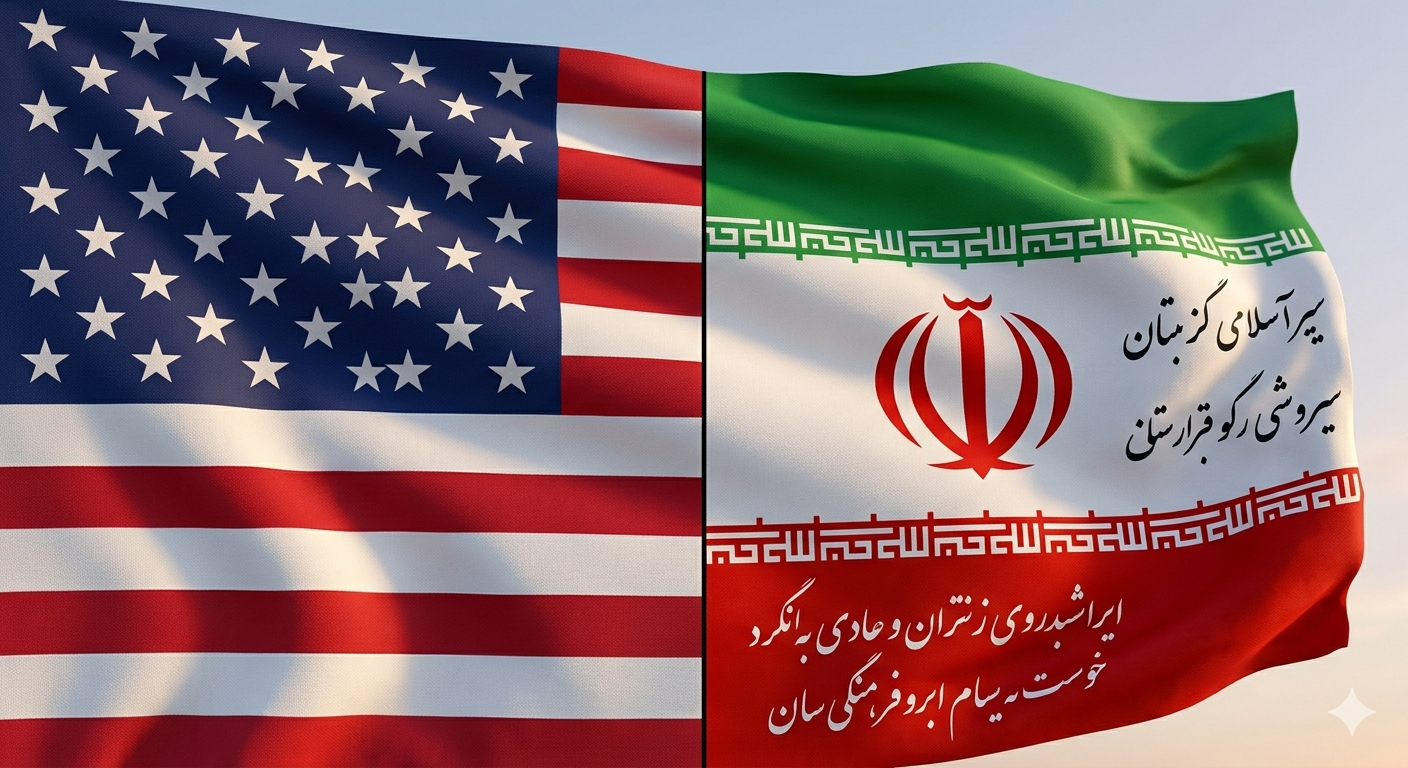
A new round of public messaging around the U.S.-Iran war has opened a fresh diplomatic front after reports emerged that Washington sent Tehran a 15-point proposal aimed at ending the conflict, even as airstrikes and missile attacks continued. The proposal was reportedly conveyed with the help of Pakistani intermediaries, while U.S. President Donald Trump publicly suggested that talks were progressing.
At the same time, the military confrontation did not stop. Reports said Israel and Iran resumed aerial attacks, while broader regional tensions remained high despite the growing discussion of possible negotiations.
The 15-Point U.S. Plan
According to the reports, the U.S. proposal included demands for the dismantling of Iran’s nuclear capacities, the closure of nuclear facilities, and full access for the International Atomic Energy Agency to information related to Iran’s nuclear program. In return, Iran would receive sanctions relief and support for the development of a civilian nuclear program.
Other reporting described the framework more broadly as including issues tied to Iran’s missile program, regional proxy structures, and the future of maritime access in and around the Strait of Hormuz, showing that the proposal was not limited only to the nuclear file.
Tehran Publicly Rejects the Narrative of Ongoing Talks
Iranian officials and military representatives strongly pushed back against Trump’s claims that negotiations were underway. A military spokesperson, quoted in state-linked reporting, mocked Washington by saying the United States was effectively “negotiating with itself.” Tehran’s public line has been that there are no direct negotiations with the United States, even while indirect messages may be passing through third countries.
Iranian officials also argued that Washington could not be treated as a credible negotiating partner because, according to their position, the U.S. had attacked Iran more than once during periods when talks were already being discussed. That argument was used to explain why Tehran views new diplomatic pressure as another attempt at deception rather than a genuine peace effort.
Pakistan’s Mediation Role
Pakistan has emerged as one of the main channels through which messages are being exchanged. Reports said Pakistani officials transmitted the American proposal to Tehran and that Iran was considering whether Pakistan or Turkey could serve as venues or facilitators for further indirect contacts.
This mediation role has been presented as important because it offers a diplomatic pathway without requiring immediate direct U.S.-Iran contact, something Tehran continues to reject publicly. At the same time, the existence of intermediaries has fueled speculation that a diplomatic track exists in practice even while both sides publicly deny or downplay it in different ways.
Iran’s Conditions and Public Demands
The reporting says Iran has tied any possible de-escalation to a set of hard conditions. These include demands for compensation for bombings, guarantees against further attacks, and broader assurances that the country will not again face military action while negotiations are under discussion. U.S. reporting cited by Reuters says Washington considers those demands unrealistic.
Other reports described Iran as objecting especially to any attempt to negotiate away elements it sees as central to national security, particularly its missile capability and regional military posture. This helps explain why the diplomatic signals from Washington have not yet translated into any public Iranian readiness to enter formal talks.
Trump’s Public Statements and the “Disappeared Leaders” Remark
Trump has continued to speak publicly in ways that suggest the United States believes pressure is working. Alongside his claims that talks are moving forward, one report also cited him as saying that all top Iranian leaders had “disappeared.” That statement added to speculation about the condition, location, or operational visibility of Iran’s senior leadership during the war.
At the same time, market reporting connected Trump’s remarks about possible progress to a broader easing in investor anxiety, with oil prices falling and stocks rising on hopes that a ceasefire or negotiation framework might eventually take shape.
Fighting Still Shapes the Diplomatic Environment
Despite the diplomatic messaging, the conflict itself continues to determine the context in which any negotiations would occur. Reuters and AP both reported that Iranian attacks, Israeli strikes, and wider regional military activity were still ongoing even as the U.S. plan circulated. That means the current phase is not one of formal ceasefire diplomacy, but of overlapping warfare and indirect signaling.
This dual reality is central to the current moment: Washington is presenting a framework for de-escalation, while Tehran is rejecting the political framing of that effort, and neither side has yet publicly acknowledged a negotiated process that could clearly stop the war.
A War of Pressure, Messaging, and Distrust
Taken together, the latest reports show a conflict entering a more complex stage. The United States is combining military pressure with a detailed diplomatic proposal; Iran is publicly ridiculing the idea that meaningful talks exist and insisting that Washington cannot present force as diplomacy; and Pakistan has become a visible intermediary in a process that remains indirect, fragile, and contested.
For now, the public record points to a situation in which a proposal exists, messages are being relayed, and speculation about negotiations is growing, but the war is still active, and Tehran continues to deny that genuine talks are underway. In that sense, the diplomatic story is real, but so is the mistrust that is preventing it from becoming a clear negotiating process.