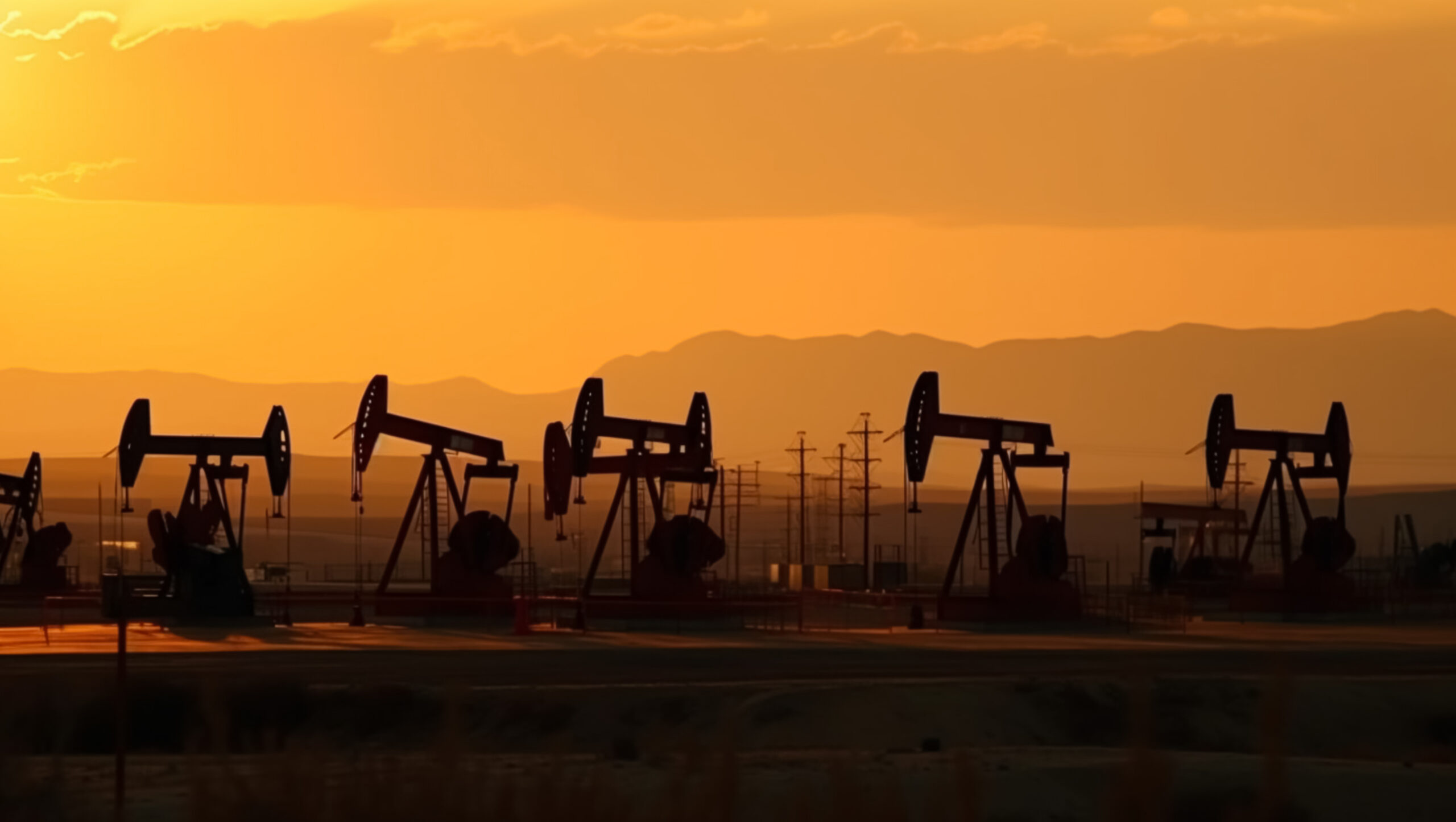
Oil prices jumped significantly, and global stock markets fell after US President Donald Trump warned of more severe attacks against Iran, raising fears of long-term damage to global energy supplies. The renewed threats sent crude prices flying above $110 per barrel, as investors are worried about supply shortages and continued instability in the Middle East.
The surge was caused by growing concerns over the Strait of Hormuz, a critical shipping route that carries a large share of the world’s oil. With uncertainty over whether the route can remain open and no clear plan for de-escalation, traders pushed both US and global oil benchmarks significantly higher. Analysts say the rapid rise reflects fears of an immediate supply shortage, with energy markets taking in the strong possibility of further attacks and prolonged conflict.
Financial markets reacted quickly to the spike; major stock indices in Asia and parts of Europe fell as investors worried that higher energy costs could fuel inflation and slow economic growth. While some energy companies benefited from the rally in crude prices, broader markets struggled as rising fuel costs are a direct threat to businesses and consumers alike. In the United States, gas prices have already climbed past $4 per gallon, and experts warn they could rise even more if tensions continue.
The situation demonstrates how closely global markets are tied to geopolitical risks in the Middle East. Rising oil prices are an additional cost on economies, increasing transport and production expenses while reducing consumer spending power. As long as there is uncertainty about the conflict, predict instability in both energy markets and global stocks.
Overall, the latest developments underline how quickly geopolitical tensions can shake up the global economy. With oil prices climbing and markets on edge, the coming weeks will be crucial in determining whether the situation stabilizes or triggers a longer period of economic and market challenges.