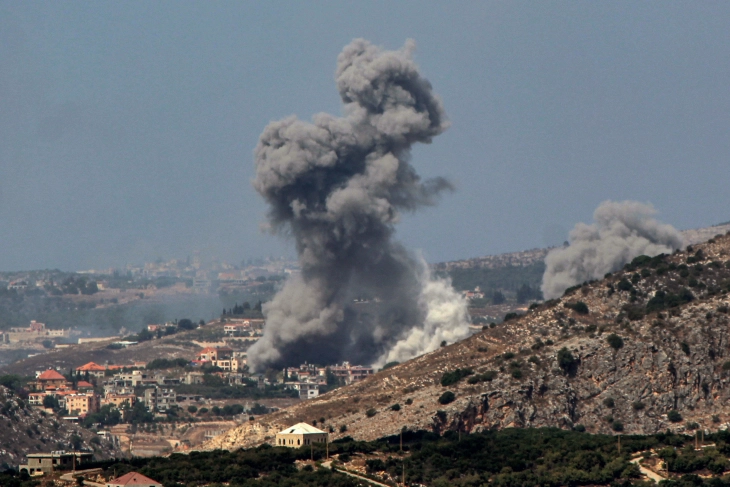
The war in Iran is hitting American wallets far beyond the gas pump, with businesses across the economy passing along war driven cost increases through new fees and surcharges that consumers are only beginning to feel. While gasoline has grabbed headlines, the aviation industry has been very hard as well; jet fuel prices have spiked 95% since the conflict began, forcing major carriers to increase checked baggage fees by $10 or more. Delta, Southwest, United, and JetBlue now charge between $45 and $55 for a first bag, with JetBlue’s rates climbing as high as $49 during peak travel periods. United Airlines CEO Scott Kirby warned that if fuel prices hold, the industry faces an extra $11 billion in annual expenses.
The effect extends to shipping and e-commerce. Amazon imposed a temporary 3.5% “fuel- and logistics-related surcharge” on third-party sellers using its fulfilment services, a cost that will inevitably carry over through to retail prices. The United States Postal Service implemented its first ever fuel surcharge as well, an 8% levy on packages starting April 26 that will remain through at least January 2027. Private carriers including FedEx have escalated automatic fuel surcharges to 26.5% on ground deliveries as diesel prices soar.
Supply chain experts warn these visible fees represent only the beginning. “Companies tend to look for ways to get more out of what they already have first,” said Rahul Shahani, a McKinsey supply chain partner, mentioning that higher costs eventually surface due to “higher free shipping minimums, fewer discounts, smaller package sizes, or slower delivery.” The Federal Reserve now faces a dilemma; March inflation is expected to show the largest jump in two years, potentially reaching 3.4%, while the Dallas Fed projects that a prolonged Strait of Hormuz closure could add 1.5% to headline inflation.
The message for American consumers is unequivocal: regardless of whether the attacks cease, the economic aftershocks will persist. From the checked bag at the airport to the Amazon package on the doorstep, the Iran war has become an invisible tax on everyday life, one that businesses are only beginning to pass along.