A review of ballot papers from Friday’s vote for the new Speaker of the National Assembly has raised fresh questions about whether some MPs were expected to demonstrate loyalty despite the vote being formally secret.
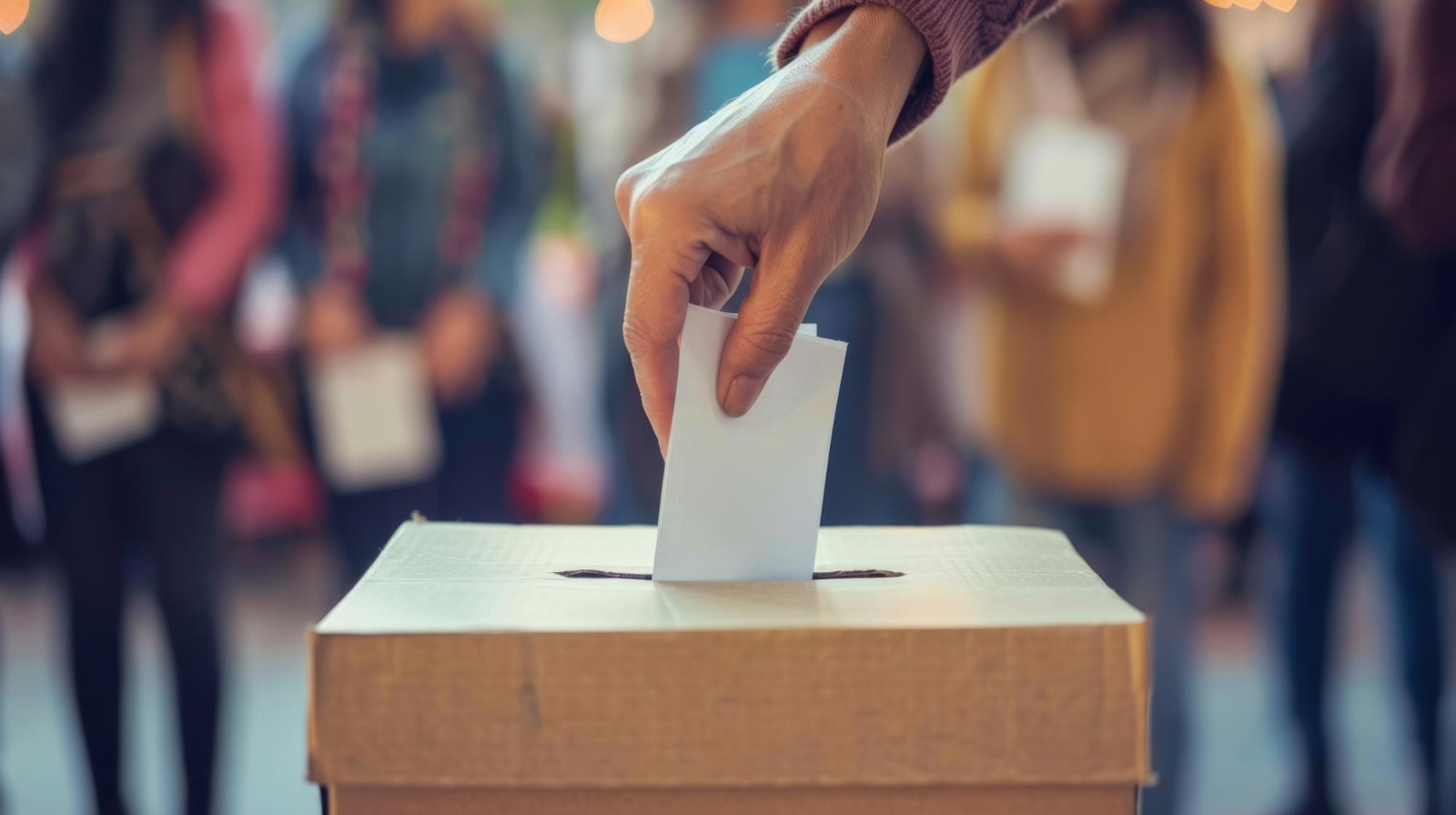
The issue emerged after ballot papers from the parliamentary vote were examined following a request for access under public information rules. The inspection showed that several ballots cast in support of newly elected Speaker Zoran Stevanović contained visible markings, while ballots cast against him were left unmarked.
Three distinct types of marks appeared on ballots backing Stevanović. Nine papers carried a small circle in the lower-right corner, six had a dot next to the vote in favour, and four showed a star in the upper part of the ballot. In total, 29 supporting ballots were not marked at all.
The vote produced 79 ballots altogether. Stevanović received 48 votes in favour, 29 against and two invalid ballots. Eleven MPs did not collect ballot papers, matching earlier announcements that members of the Social Democrats, Levica and Vesna would not take part.
The 29 votes against aligned with the position of the Freedom Movement parliamentary group, which had publicly declared that its 29 MPs would oppose Stevanović’s appointment. Based on the final result, Stevanović was elected with support from his own party, Resni.ca, as well as the parliamentary groups of SDS, NSi, SLS and Fokus, and the Democrats.
Although it is not possible to determine with certainty who cast the two invalid ballots or how MPs representing national communities voted, similarities in the markings have prompted speculation that they may correspond to different parliamentary groups. On that reading, the marked ballots could indicate support coming from NSi, SLS and Fokus, the Democrats and Resni.ca
That possibility has intensified scrutiny over claims made after the vote by party leaders who had insisted their parliamentary groups acted in full unity. Democratic leader Anže Logar, who is not an MP, said on Friday that his party’s parliamentary group had voted unanimously. Asked how he could be certain when the ballot was secret, he said he trusted his MPs. When pressed on whether he had checked how they voted, he replied by asking how such a thing could even be verified.
The findings do not provide definitive proof of coordination, but they have cast doubt over how secret the ballot truly was in practice. At the centre of the controversy is a simple but politically sensitive question: if some ballots were marked, was the secrecy of the vote merely formal while party discipline was being quietly monitored behind the scenes?