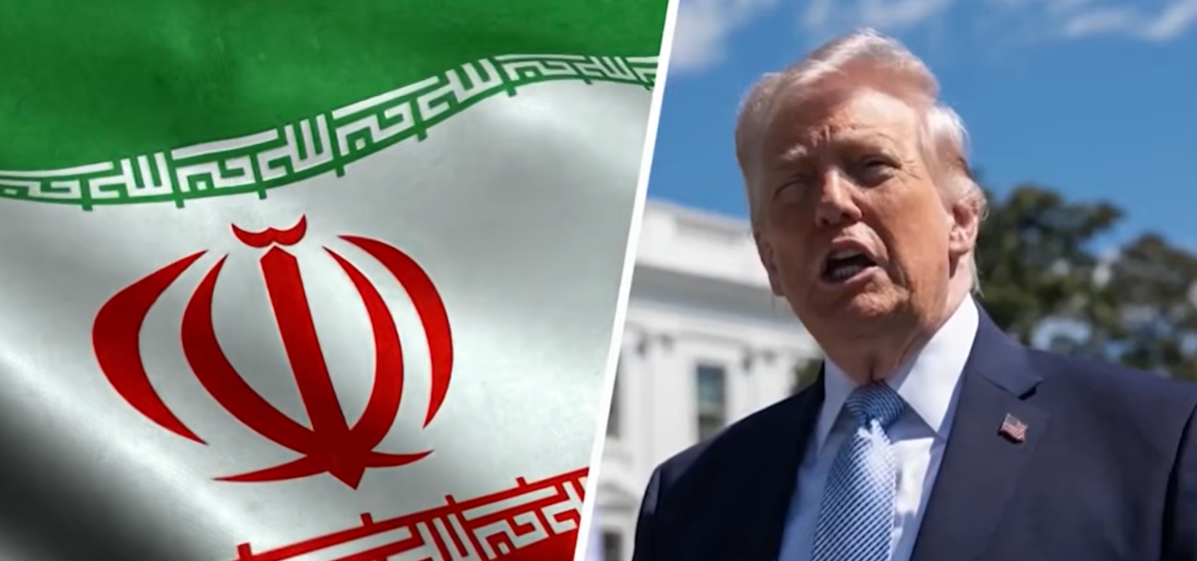
Iran has issued a new warning to the United States over the Strait of Hormuz, with senior military adviser Mohsen Rezaei saying Tehran would target American ships if Washington tried to take control of the strategic waterway. In remarks carried by Iranian state television and reported by Anadolu, Rezaei said the United States had no role in policing the strait and warned that any such move would expose U.S. forces to direct missile attacks.
Rezaei, a former commander of Iran’s Revolutionary Guards who was recently appointed as a top military adviser to Supreme Leader Mojtaba Khamenei, also took a harder line on the broader conflict. According to the reports, he said he personally opposed extending the ceasefire and even claimed that a U.S. ground invasion would benefit Iran by allowing it to capture American personnel as hostages.
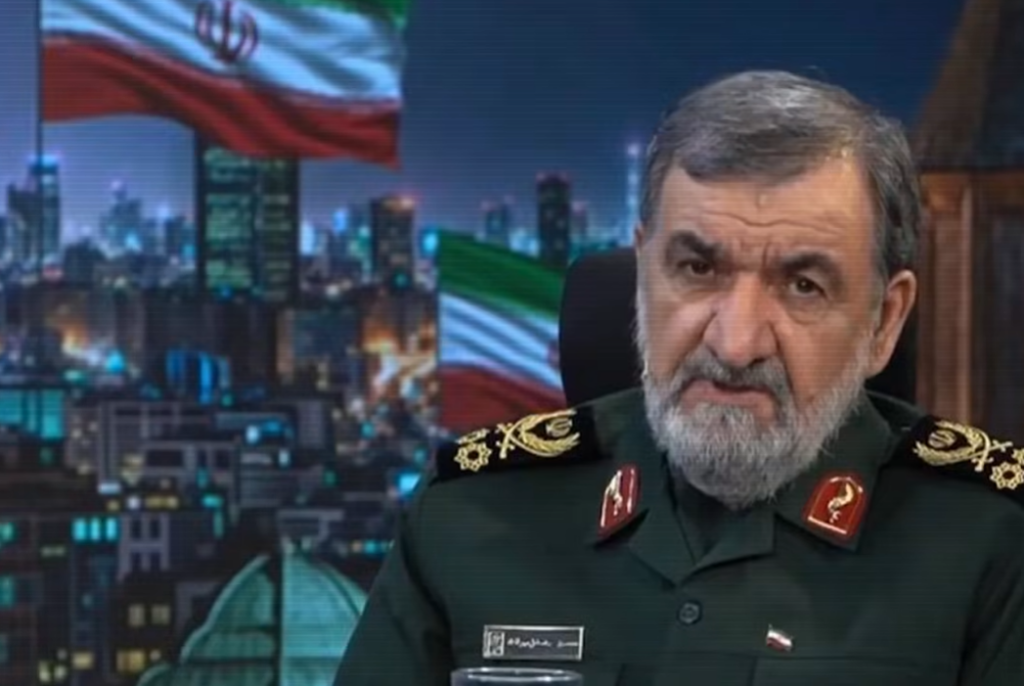
The warning comes as tensions remain high following Washington’s decision to impose a naval blockade on Iranian ports after direct talks between the United States and Iran in Islamabad failed to produce a breakthrough. U.S. officials have said the blockade is intended to pressure Tehran after weeks of war and to restrict maritime trade involving Iranian ports, while Iran has denounced the move as a violation of its sovereignty.
The Strait of Hormuz remains the central flashpoint in the standoff. It is one of the world’s most important shipping routes for energy exports, and any threat to freedom of navigation there immediately raises wider concerns about oil markets, commercial shipping and the risk of further military escalation. Тhe U.S. military is already conducting operations aimed at securing navigation routes in the area, while diplomatic efforts to restart talks are still being explored.
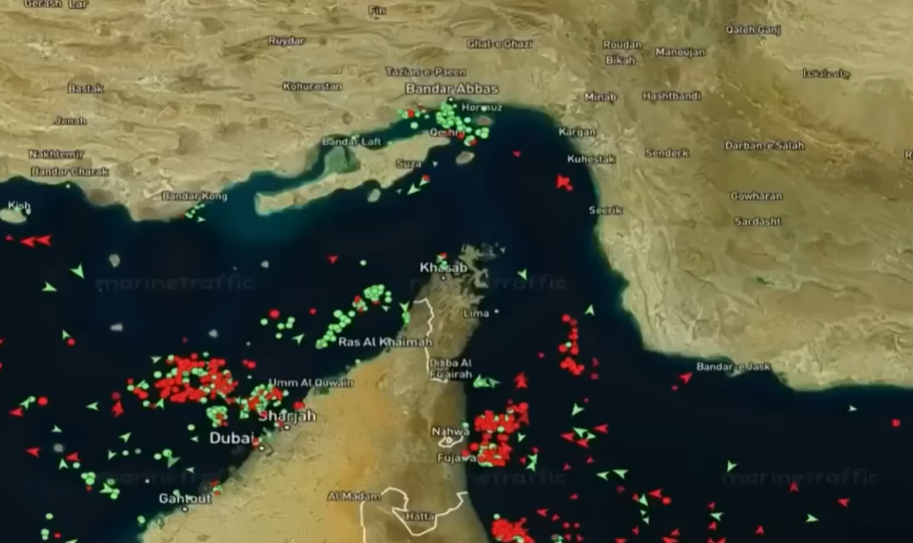
Taken together, Rezaei’s remarks highlight how fragile the current pause remains. Even as diplomatic channels stay open, rhetoric from Tehran suggests that the Strait of Hormuz is still at the center of a confrontation that could quickly widen again if either side tests the limits of military pressure.