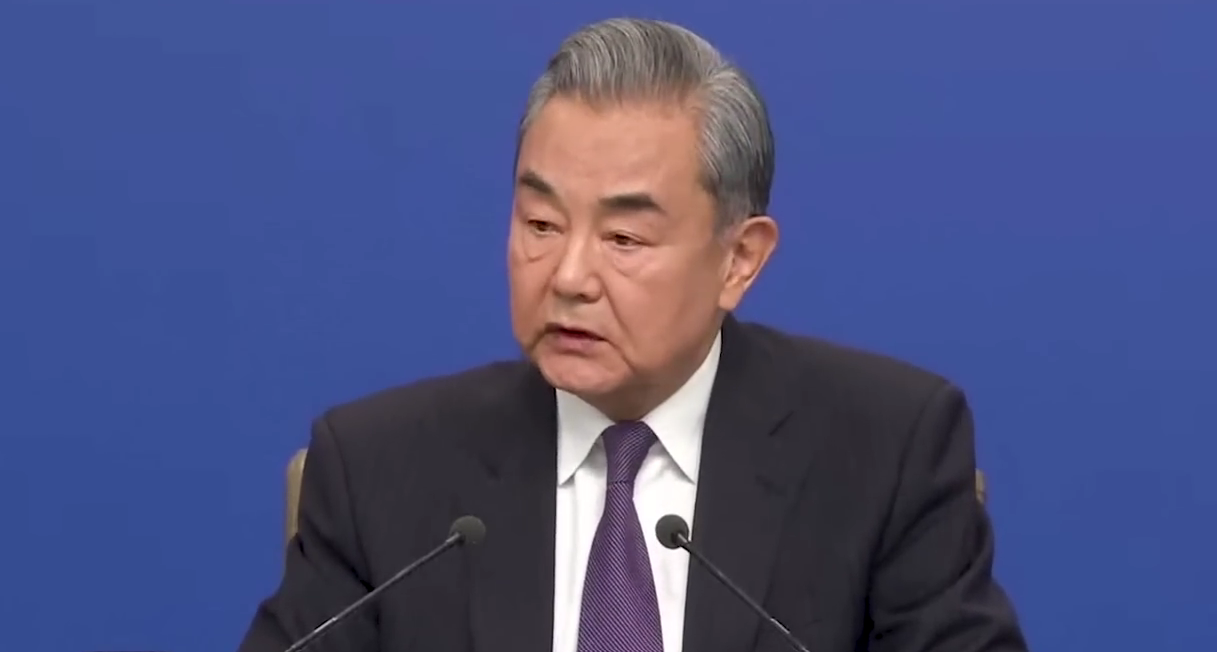
Chinese Foreign Minister Wang Yi has called on Iran to guarantee freedom and safe passage through the Strait of Hormuz, marking Beijing’s first explicit demand that Tehran reopen the critical route since the war began. In a phone call with Iranian counterpart Abbas Araghchi, Wang balanced support for Iran’s sovereignty with pressure to restore normal shipping, stating that while Iran’s “legitimate rights and interests” as a coastal state must be respected, the “freedom and security of navigation” must also be guaranteed.
The diplomatic intervention comes after the first round of US-Iran talks in Islamabad failed to produce a lasting agreement, leaving the two week ceasefire hanging by a thread. Araghchi told Wang that Iran “counts on China to play a positive role in promoting peace and ending the conflict,” and expressed Tehran’s willingness to continue seeking a “rational and realistic solution through peaceful negotiations”. Iranian state media reported that Araghchi also warned of “dangerous consequences” from what he called “provocative positions and actions of the United States in the Persian Gulf and Strait of Hormuz,” which he said would lead to a “more complicated situation” in the region .
China’s positioning reflects its dual interests in the crisis. As the world’s largest oil importer, Beijing depends heavily on crude transiting Hormuz, yet it has also cultivated strategic ties with Iran as a counterweight to American influence. Wang emphasized that supporting peace talks is “in the fundamental interest of the Iranian people” and that China stands ready to continue playing a “constructive role” in Middle East diplomacy. The call signals Beijing’s growing impatience with the economic disruptions caused by the shipping crisis, even as it attempts to maintain its balancing act between Tehran and Washington.