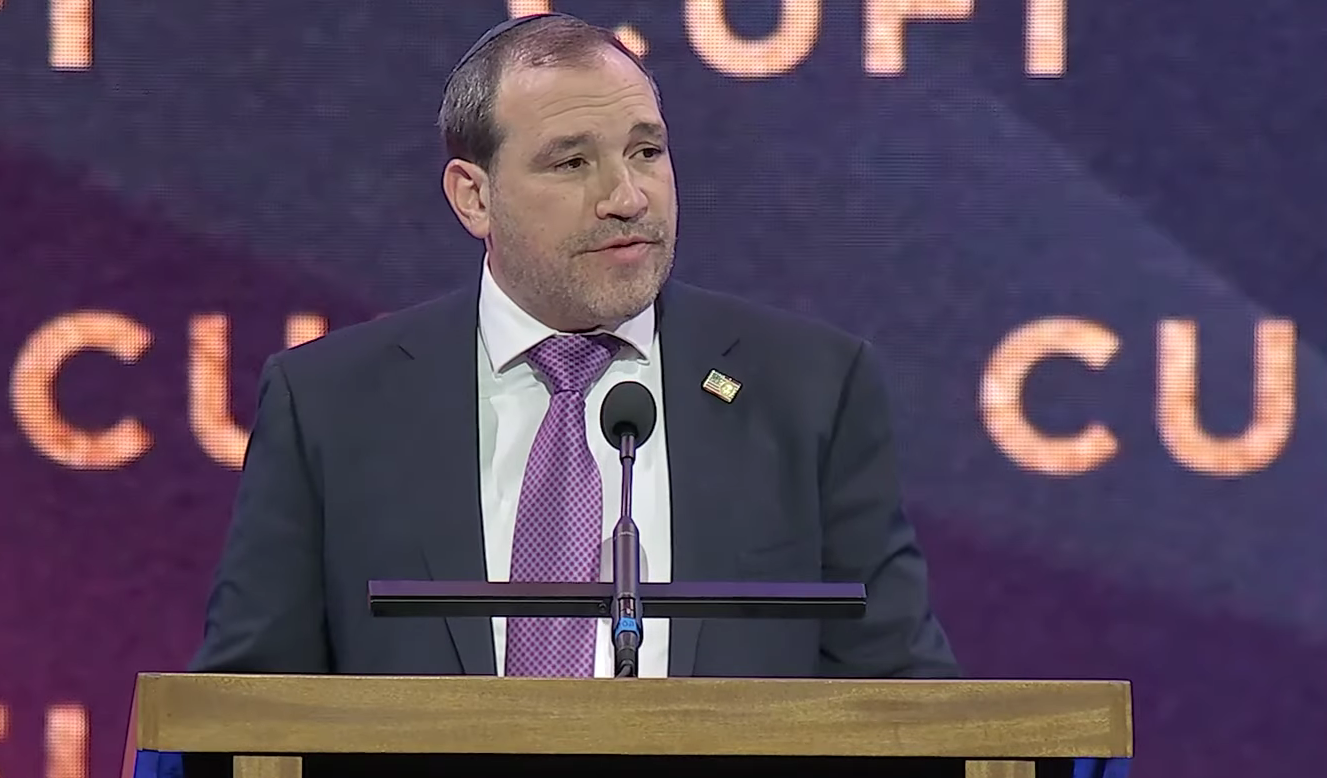
The United States and Hamas held their first direct negotiations since the Gaza ceasefire took effect, with senior US advisor Aryeh Lightstone meeting chief Hamas negotiator Khalil al-Hayya in Cairo on Tuesday night to push forward the stalled peace process. The encounter, joined by Nickolay Mladenov of the US backed Board of Peace, came as the US-brokered truce, agreed in October after two years of war, struggles to advance beyond its initial phase amid mutual accusations of violations and deep disagreements over sequencing .
Al-Hayya, who survived an Israeli assassination attempt in Doha last September, pressed the American delegation on Israel’s failure to fully implement phase one commitments, including halting strikes and allowing humanitarian aid entry. Despite the ceasefire, Israeli military operations have continued, with Palestinian health officials reporting over 765 people killed in Gaza since October. The talks aimed to bridge gaps on phase two provisions: Hamas disarmament, deployment of an international force, and Israeli withdrawal from the devastated territory. However, multiple sources said negotiations repeatedly stalled over demands that Hamas disarm before Israel fulfills its existing obligations, a sequencing dispute that has become the central obstacle to progress.
Hamas views the current proposal as fundamentally unbalanced. Sources say that it “reduces the whole process to a single clause, disarmament, while other first phase obligations are postponed or marginalized”, reflecting what they see as prioritization of “Israel’s security first, while Palestinians’ humanitarian, political, and administrative rights are postponed”. The source also accused Mladenov of relaying “veiled threats” that failure to accept the paper would trigger a return to full scale war. Lightstone had met with Israeli Prime Minister Benjamin Netanyahu days earlier to secure Israel’s commitment to phase one implementation, with one source indicating Israel agreed on the condition Hamas commits to disarmament.
The diplomatic deadlock leaves Gaza in limbo. Hamas has reasserted control over areas not occupied by Israel, while the territory’s future governance and security architecture remain unresolved. With the US directly engaging both parties but struggling to align their competing demands, the ceasefire that ended two years of devastating war risks becoming a permanent frozen conflict rather than a pathway to lasting stability.