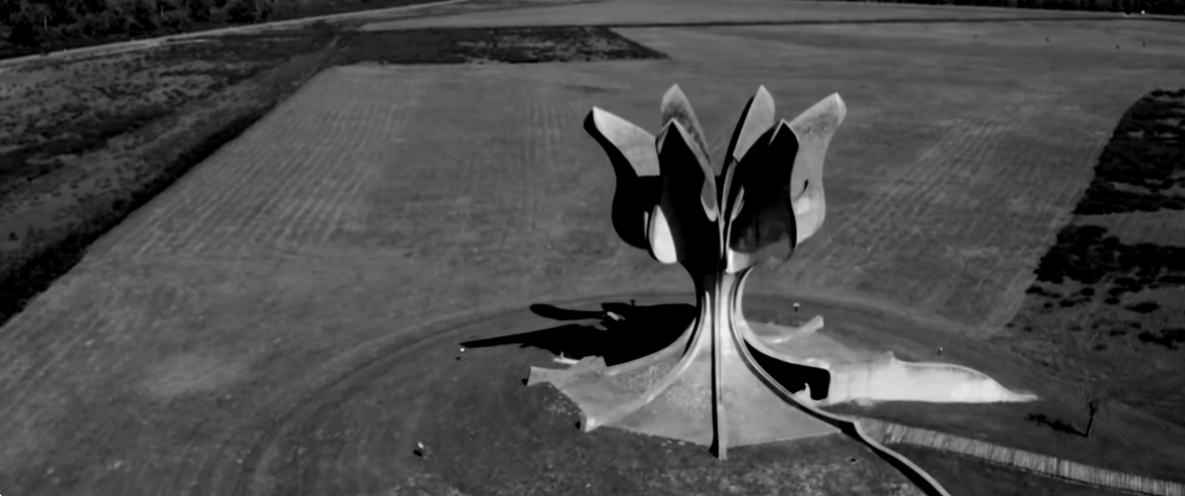
Croatia has commemorated the 81st anniversary of the prisoner breakout from the Jasenovac concentration camp, renewing public attention on one of the darkest chapters of the country’s wartime history. The state ceremony, held at the memorial site in Jasenovac under the title A Memory for the Future, honored the victims of the camp, those persecuted under the Ustasha regime, and the few survivors who lived to tell the story.
The commemoration recalled the events of April 22, 1945, when hundreds of prisoners attempted a final escape from the camp after it became clear that remaining there meant certain death. Only a small number survived. The anniversary served not only as a remembrance of the victims, but also as a reminder of the brutality of the camp system and the importance of preserving historical truth.
Senior Croatian officials, representatives of minority and religious communities, anti-fascist organizations, diplomats and local leaders attended the ceremony. The program was led by students from the Academy of Dramatic Art in Zagreb, who emphasized the need for stronger education about Jasenovac in schools, arguing that remembrance must be actively passed on to younger generations.
Prime Minister Andrej Plenković said remembrance should remain part of Croatia’s educational and political values, adding that younger people should be encouraged to visit the memorial site and learn more about the crimes committed there. At the same time, he addressed ongoing controversy surrounding the slogan “Za dom spremni,” saying its use in modern contexts should be clearly distinguished from its association with the Second World War, while insisting that Croatian institutions have already taken a defined legal stance on the issue.
The anniversary, however, was not marked only by official tributes. It also brought criticism from public figures who warned that silence and historical relativization continue to shape the way Jasenovac is discussed. Some argued that the absence of speeches by key representatives during the ceremony reflected a broader discomfort with confronting the legacy of the camp openly and directly. Others warned that society still has not done enough to resist attempts to soften or distort the meaning of the crimes committed there.
This year’s commemoration therefore carried a dual message: a formal act of remembrance for the victims, and a renewed dispute over how history should be taught, discussed and protected from political reinterpretation. More than eight decades after the breakout, Jasenovac remains not only a place of mourning, but also a test of how seriously society treats memory, accountability and historical responsibility.