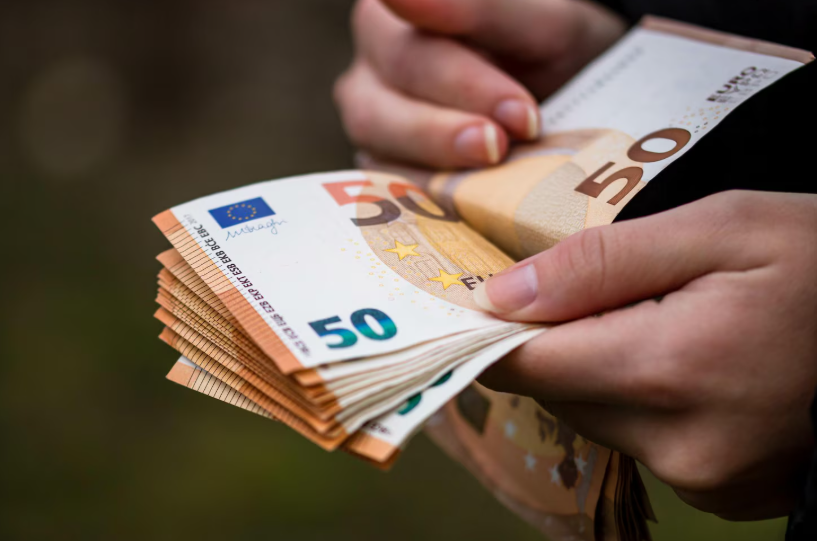
Croatia’s average monthly paid net salary reached €1,527 in February, according to data from the Croatian Bureau of Statistics, which is €16 more than in January. The average gross salary was €2,139, or €25 higher than the previous month. However, the median net salary was significantly lower, at €1,282, and it fell by €22 compared with January, showing that the official average remains out of reach for many workers. The wage distribution also shows that two thirds of employees in legal entities earn less than the average salary.
In a comparison with eight EU countries considered economically or geographically comparable to Croatia, only Slovenia and Estonia had higher average net wages. Croatia’s average net salary of €1,527 placed it above Lithuania, Hungary, Latvia, Slovakia, Romania and Bulgaria, but below Slovenia, where the average was €1,653, and Estonia, where it stood at €1,650. Lithuania was close to Croatia with €1,514, while Hungary had €1,405, Latvia €1,346, Slovakia €1,200, Romania €1,089 and Bulgaria €1,070.
The comparison also shows that salary figures alone do not fully reflect living standards. Croatia’s inflation rate in March was 4.8 percent, the highest in the eurozone according to the report, while Romania had the highest inflation among the compared countries at 9 percent, although it is not a member of the eurozone. Croatia’s unemployment rate in March stood at 4.3 percent, with lower unemployment recorded in Bulgaria, Slovakia and Slovenia. Forecasts for Croatia’s GDP growth this year range between 2.6 and 2.9 percent, while lower growth is expected in Estonia, Hungary, Romania, Slovakia and Slovenia.
The purchasing power comparison gives a more restrained picture of Croatia’s position. According to preliminary Eurostat data cited in the reports, Croatia’s purchasing power last year stood at 78 percent of the EU average. Among the compared countries, Slovenia reached 91 percent, Lithuania 88 percent, Estonia 79 percent, Romania matched Croatia at 78 percent, while Hungary stood at 76 percent, Slovakia at 75 percent, Latvia at 71 percent and Bulgaria at 68 percent.
The debate over wages has also been shaped by trade union demands. At a recent protest in Zagreb, union leaders called for the minimum net wage to be raised to €1,100 and said that a salary sufficient for a dignified life should amount to €2,200. One report noted that, according to the unions, the average net wage should be at least €2,200, around 40 percent higher than the current average of €1,527.
It also stated that one third of employees earn less than €1,000 net, while half earn less than €1,300, meaning that even the current average is unattainable for many workers.
Croatia’s Average Net Salary Reaches €1,527, but Most Workers Still Earn Less Than the Average






Most Popular

Croatia’s Eurovision entry sparks controversy and apologies, as Tony Cetinski says country was “closer than ever” to victory
Croatia’s representatives at the Eurovision Song Contest, the group Lelek, became the focus of international attention following a series of controversies and

Macedonia Ranks 52nd in Atlantic Council Prosperity Index, 73rd in Freedom Rankings
Macedonia has been placed 52nd globally in the Atlantic Council’s 2026 Prosperity Index and 73rd in its companion Freedom Index, according to

Zlatibor Tourism Surges Past 100,000 Overnight Stays in May
The Serbian mountain destination welcomed more than 41,000 visitors in May as domestic tourism remained strong and international interest continued to grow.


Latest from Blog

Walmart Announces Extended Black Friday and Cyber Monday Sales for 2026
The retail giant will spread its holiday deals across several weeks, giving shoppers more time to find discounts as U.S. holiday spending is projected to surpass $1 trillion for the first time.

Trump Heads to Texas for Twin Rallies as Paxton-Talarico Senate Race Tightens
With Election Day one week away, President Donald Trump is campaigning in Corpus Christi and Lubbock to rally Republican voters as polls show a highly competitive Texas Senate race and growing dissatisfaction
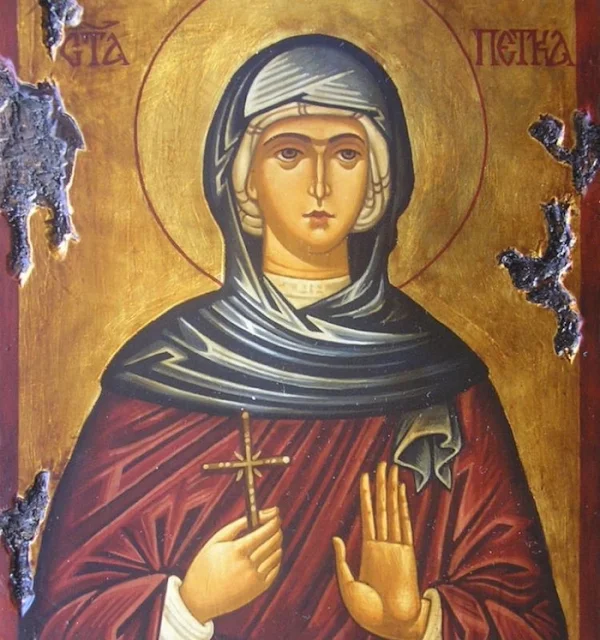
Saint Petka: A Day of Faith, Healing, and Family Traditions
Celebrated on October 27, Saint Petka is revered across the Balkans as a symbol of healing, protection, and hope. For generations, believers have turned to her in prayer, while the holiday remains
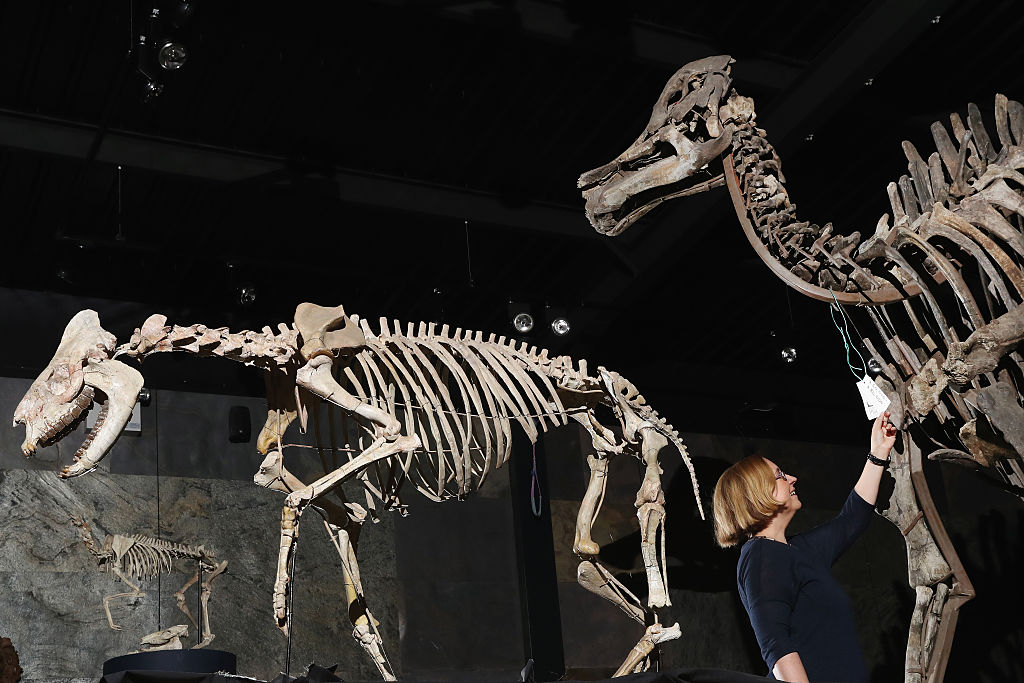
Rare Nanotyrannus Skeleton ‘Jodi’ Sells for $47.3 Million at Sotheby’s Auction
Once believed to be a juvenile Tyrannosaurus rex, the rare dinosaur fossil shattered expectations at auction in New York, reigniting debate over the private ownership of scientifically significant specimens. A rare dinosaur

BACA to Host 6th Annual Fundraising Dinner Celebrating Bosnian-American Community
An evening of culture, music, delicious food, and community spirit will bring people together in support of the Bosnian-American community on Thursday, October 29, in Whitesboro, New York. The Bosnian-American community will