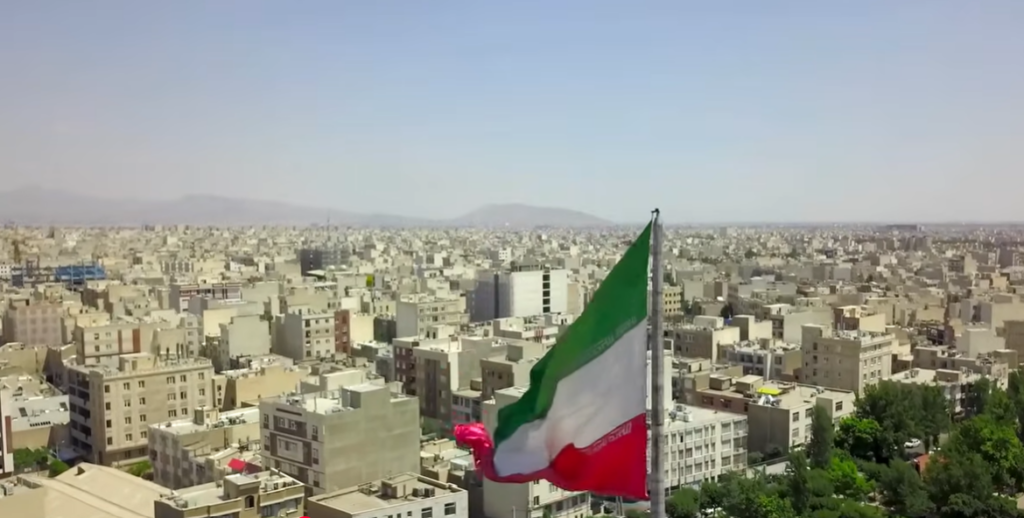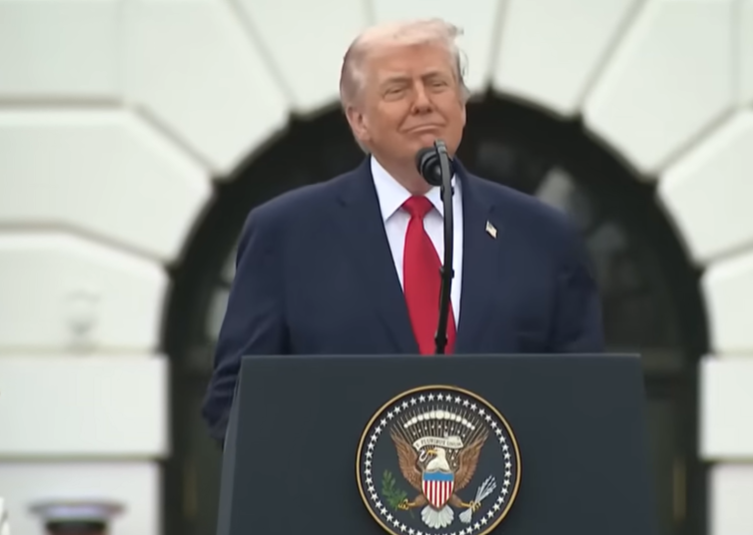
Donald Trump has claimed that Iran informed him it is in a state of collapse, following renewed tension over Tehran’s latest proposal to end the two-month conflict and resolve the crisis around the Strait of Hormuz.
According to Trump, Iran wants to reopen the strategic waterway as quickly as possible, while also dealing with internal uncertainty over who is effectively leading the country.
“Iran has just informed me that it is in a state of collapse. They want to open the Strait of Hormuz as soon as possible, while they are trying to figure out who is running the country, which I think they will resolve quickly,” Trump wrote on his social media platform.
It remains unclear from Trump’s statement how such a message was delivered or through which channel. Iranian officials have not confirmed that characterization. A spokesperson for Iran’s military told state media that the Islamic Republic does not consider the war to be over.
The latest exchange comes as hopes for renewed peace talks appear to be fading. Over the weekend, Trump canceled a planned trip by U.S. negotiators Steve Witkoff and Jared Kushner to Islamabad, where Iranian Foreign Minister Abbas Araghchi instead met only with Pakistani officials. Afterward, Trump said Iran could call if it wanted to negotiate an end to the war.
Senior Iranian officials have described Tehran’s proposal as a phased plan. Under that approach, the first priority would be ending the war and obtaining guarantees that the United States would not restart military action. The next stage would focus on the U.S. naval blockade and the future status of the Strait of Hormuz, which Iran says it intends to reopen under its own control. Only after those issues are addressed would Tehran be prepared to discuss wider questions, including its nuclear program.
Washington, however, appears unwilling to separate the nuclear issue from broader negotiations. According to The Wall Street Journal, citing U.S. officials, Trump has instructed his team to prepare for a prolonged blockade of Iranian ports.
The competing positions underline the depth of the diplomatic deadlock. Iran is signaling that any agreement must first stop the war and ease pressure on its maritime access, while the United States continues to insist that Tehran’s nuclear ambitions remain central to any settlement.
For now, the conflict remains unresolved, the Strait of Hormuz continues to dominate global energy concerns, and both sides appear to be using public statements as part of a wider battle for leverage before any serious return to negotiations.