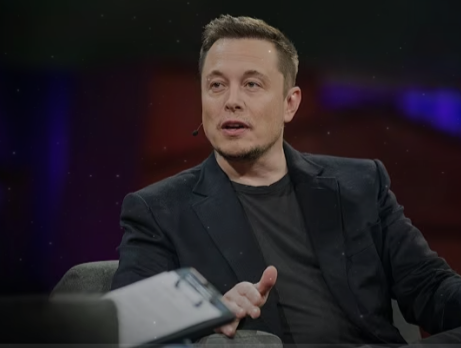
Elon Musk returned to the witness stand for a second day in his lawsuit against OpenAI, describing how his relationship with the organization he helped found collapsed over its shift from a nonprofit project to a major commercial force in artificial intelligence.
Musk claims OpenAI betrayed its original mission by building a powerful for-profit structure around technology that, he says, was meant to benefit humanity. OpenAI denies the allegations and argues that Musk is trying to damage a competitor to his own AI company, xAI.
Much of Wednesday’s testimony focused on early emails and discussions between Musk, OpenAI CEO Sam Altman and president Greg Brockman. Musk said he was not against a commercial subsidiary, but only if it remained under the control of the nonprofit mission. In his view, the for-profit side eventually became the center of the organization.
OpenAI’s lawyer, William Savitt, challenged that account, pointing to records suggesting Musk himself had discussed a profit-oriented structure as a way for OpenAI to compete with companies such as Google. The questioning grew tense at times, with Musk accusing the lawyer of framing questions in a misleading way.
Musk also said his trust in OpenAI’s leadership weakened as the company attracted major backing from Microsoft and became one of the most valuable names in AI. He described the transformation as a “bait and switch,” saying he felt he had helped fund what later became a highly commercial business.
OpenAI argues that its evolution was necessary because advanced AI requires enormous investment, computing power and talent. The company says Musk’s lawsuit is driven by competition and regret after leaving the organization before its rapid rise.
The trial has become a high-profile clash over the future of artificial intelligence, pitting Musk’s claim of a betrayed public mission against OpenAI’s argument that its current structure is needed to develop the technology at scale.
Musk is expected to continue testifying for a third day, while the court examines whether OpenAI’s transformation violated its original nonprofit commitments.