National Commemoration and Historical Significance
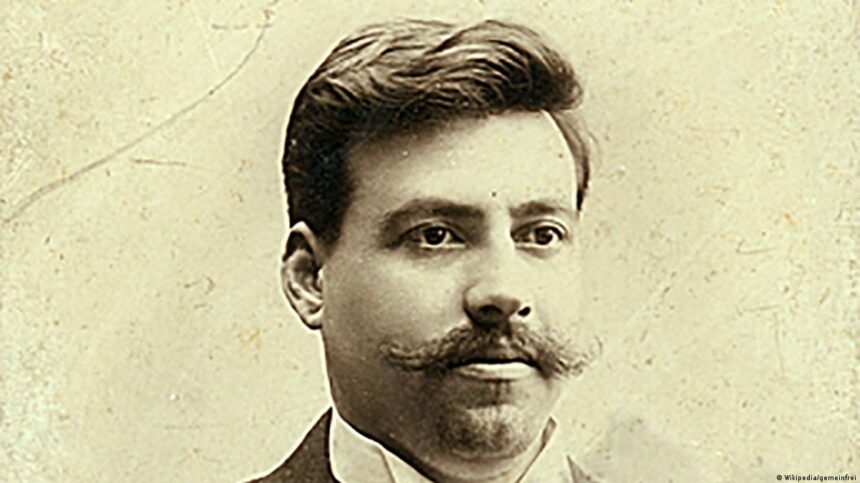
North Macedonia marked 123 years since the death of Goce Delchev, one of the most prominent figures in the Macedonian national liberation movement, with messages emphasizing his enduring role as a symbol of struggle, identity and revolutionary thought. Delchev, who died in 1903, is remembered as a leading ideologist and organizer of the revolutionary movement against Ottoman rule, whose ideas continue to shape the country’s historical and political narrative.
The anniversary was observed through public discourse, commemorative messages and reflections on his life, highlighting his contribution as a central figure in the Internal Macedonian Revolutionary Organization and as a leader whose vision extended beyond armed struggle toward broader concepts of freedom, justice and self-determination.
Legacy, Ideology and Quotations
The reports underline that Delchev’s legacy is closely tied to his ideological stance, often reflected through his well-known statements. Among them is his assertion that he did not hate the Ottoman people as a nation, but opposed the system of oppression, as well as his emphasis on unity, dignity and internal strength of the Macedonian people. His writings and quotes continue to be cited as expressions of political philosophy and national consciousness.
Another frequently highlighted message attributed to Delchev points to internal divisions as a major historical weakness, describing betrayal and disunity as among the greatest challenges faced by the Macedonian people. These reflections are presented as still relevant in contemporary interpretations of national development and cohesion.
International Recognition and Historical Records
The reports also refer to historical international coverage of Delchev’s death, including an article in The New York Times from 1903, which reported on the killing of the “Macedonian leader,” demonstrating that his role and influence had already gained international attention during his lifetime.
This reference is used to underline that Delchev was not only a local revolutionary figure, but also part of a broader geopolitical and historical context, where events in Macedonia were being followed and documented globally.
Enduring Symbol of National Identity
Across the reports, Delchev is portrayed as a figure whose significance goes beyond his historical role. He is described as an enduring symbol of Macedonian identity, resistance and aspiration for freedom. His life and ideas are framed as a continuing source of inspiration, particularly in discussions about national unity, political values and the direction of the state.
The anniversary is therefore presented not only as a remembrance of his death, but also as a reaffirmation of the ideals he represented. More than a century later, Delchev remains embedded in the collective memory, with his legacy interpreted as a guiding principle for future generations and as a reminder of the historical foundations of the Macedonian state.