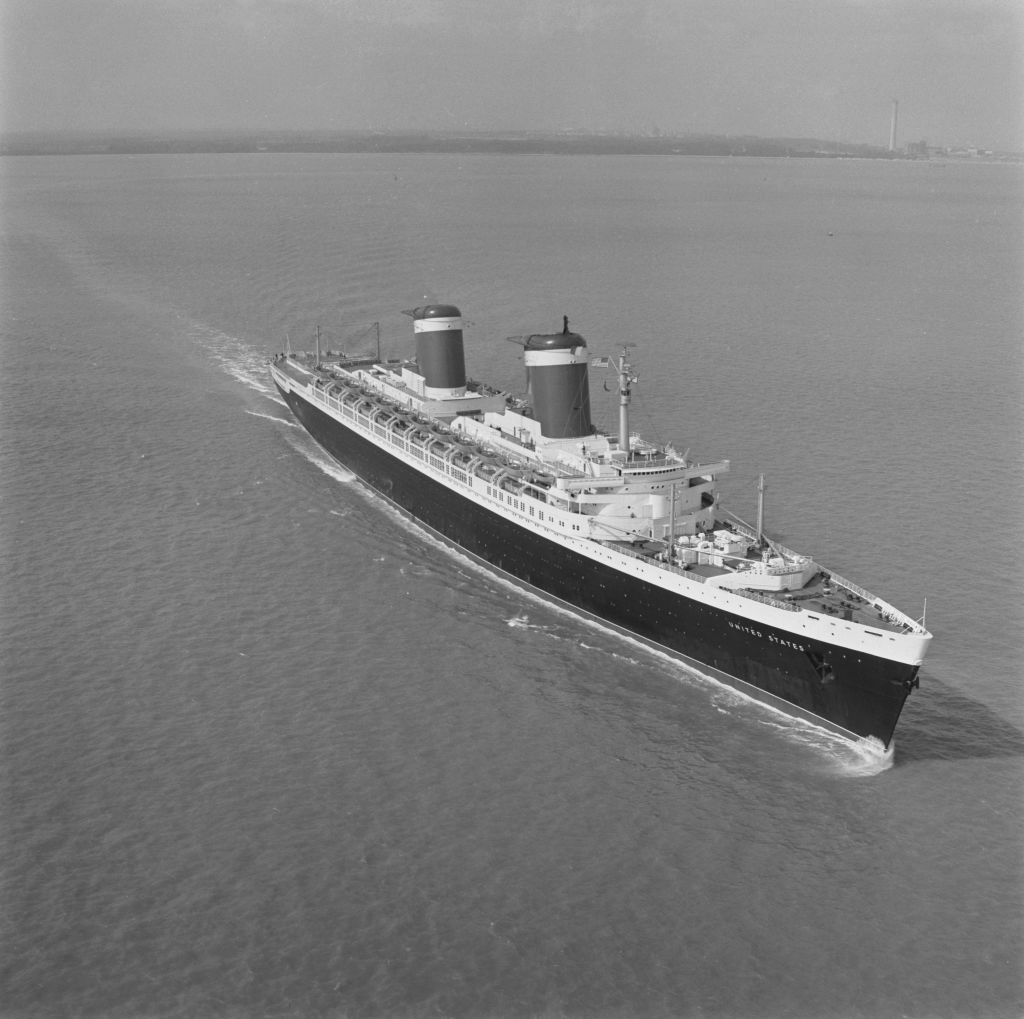
A suspected hantavirus outbreak aboard an expedition cruise ship in the Atlantic has sparked global concern, but a leading virologist says the risk of widespread transmission remains extremely low. Dr. Milanko Šekler stated that the likelihood of hantavirus spreading between people is “almost theoretical,” adding that the chances are “higher to win the lottery than for the virus to start spreading like the flu or COVID-19.”
The voyage, which was meant to be a once-in-a-lifetime journey from Argentina across remote islands and icy regions toward Cape Verde, turned into an international health incident after suspected infections were reported on board. According to global health data, three people have died and several others have fallen ill. Passengers have been effectively quarantined at sea after authorities in Cape Verde denied disembarkation, leaving those on board in uncertainty as investigations continue. One American travel blogger on the ship made an emotional appeal, reminding the public that “we are not just headlines—we are people.”
What is hantavirus?
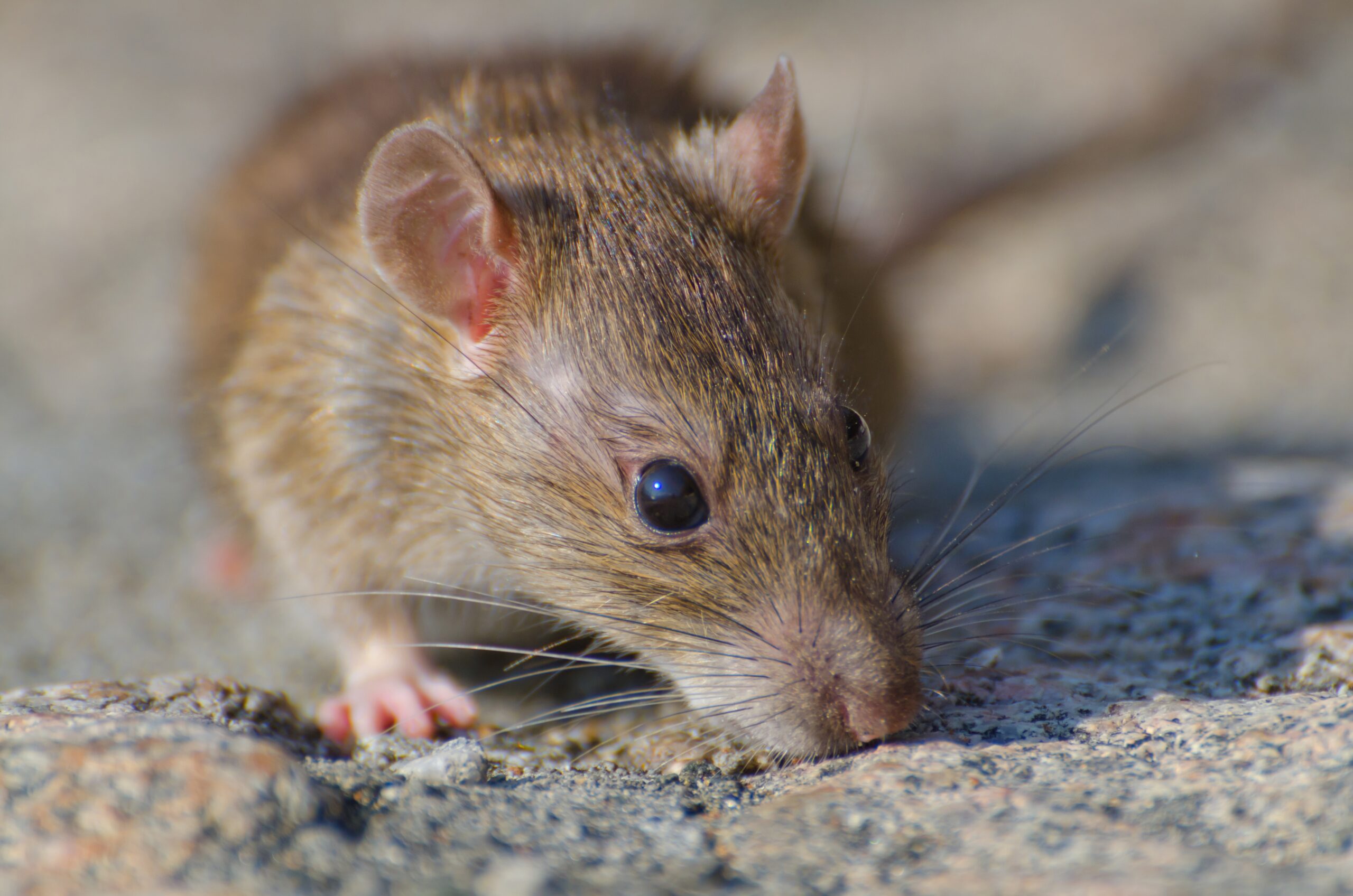
Hantavirus is a group of viruses typically carried by rodents. Humans usually become infected by inhaling particles contaminated with rodent urine, droppings, or saliva.
Šekler explained that strains found in the Americas can cause a severe cardiopulmonary syndrome with mortality rates reaching up to 40%, while strains in Europe and Asia more commonly affect the kidneys and are generally less deadly.
Human-to-human transmission is extremely rare and typically requires close and prolonged contact. For the virus to spread easily like respiratory illnesses, experts say it would need to undergo significant mutations—something considered highly unlikely.
Symptoms and risks
Early symptoms often resemble the flu, including fever, fatigue, and gastrointestinal issues. In more severe cases, patients can rapidly develop respiratory failure requiring intensive care. Older individuals and those with underlying health conditions face higher risks.
There is no specific cure for hantavirus. Treatment is mainly supportive, ranging from antiviral therapy to mechanical ventilation in critical cases.
How did it spread on the ship?
Experts say the most likely source of infection is exposure to infected rodents, either on board or during earlier stops at ports. The confined environment of a cruise ship could increase risk if contamination occurred in enclosed spaces.
Šekler suggested that passengers could eventually disembark safely under strict quarantine measures lasting up to two months—roughly double the virus’s incubation period—if no new cases emerge.
Despite the alarming situation, global health authorities continue to assess the overall public risk as low.