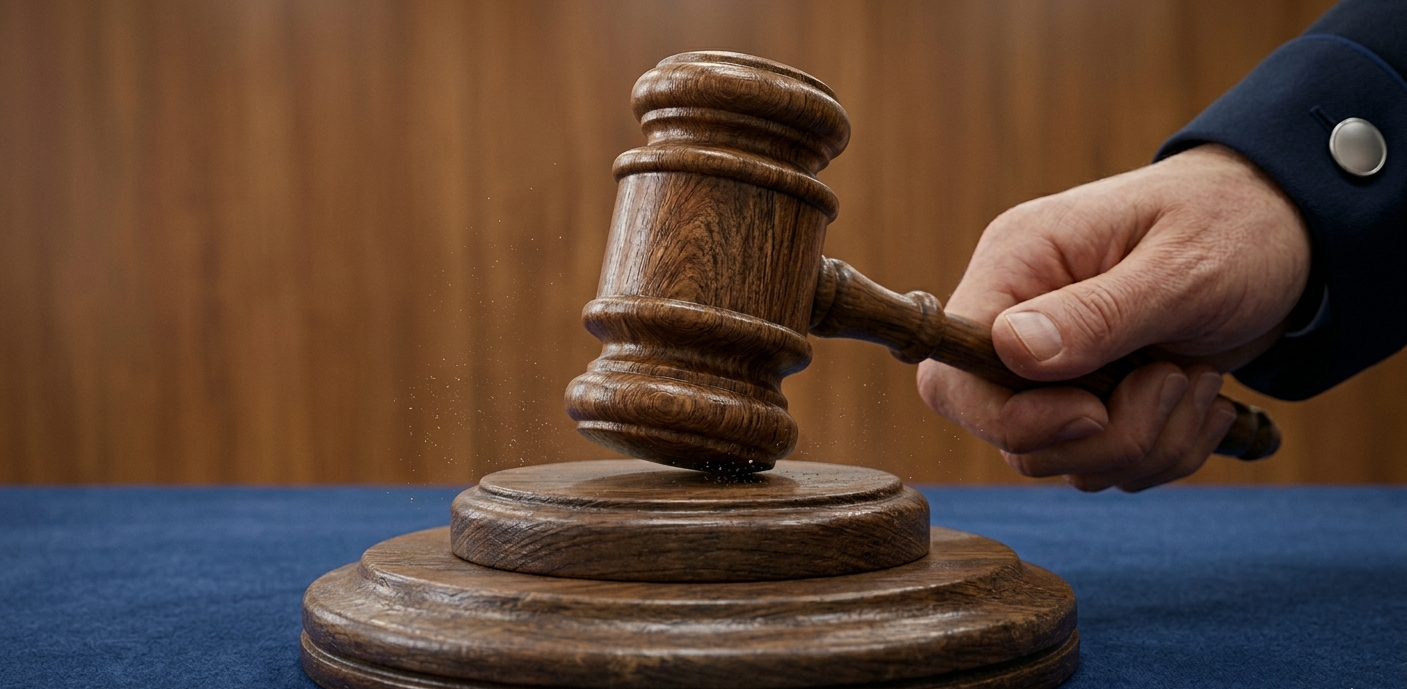
A federal court dealt President Donald Trump’s trade agenda its second major legal defeat of 2026, ruling Thursday that his 10% across the board tariffs imposed under Section 122 of the 1974 Trade Act were “invalid” and “unauthorized by law” in a 2-1 decision by the Court of International Trade in New York. The ruling, which applies directly to plaintiffs including the state of Washington and small businesses Burlap & Barrel and Basic Fun!, orders the administration to stop collecting tariffs from those parties and refund prior payments, though the tariffs remain in place for all other importers through July while the expected appeal process plays out. Judges Mark Barnett and Claire Kelly, both Obama appointees, found that Trump’s February proclamation failed to identify the “large and serious United States balance of payments deficits” that Congress required for such emergency tariffs, while dissenting Judge Timothy Stanceu, a George W. Bush appointee, argued the law grants presidents more leeway.
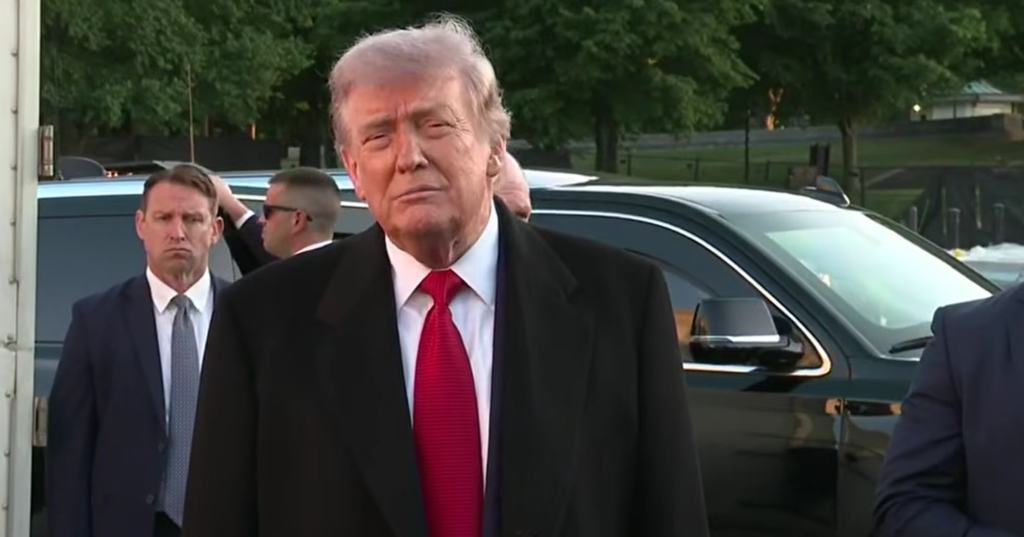
The decision follows the Supreme Court’s February 28 ruling that Trump’s broader IEEPA based tariffs were illegal, prompting the administration to pivot to Section 122 as an alternative authority for imposing temporary surcharges of up to 15% for 150 days without congressional approval. That pivot has now also collapsed, leaving the administration with only industry specific tariffs under Section 232 and pending Section 301 investigations that could produce new country wide tariffs this summer. Trump reacted characteristically, telling reporters Thursday night that “nothing surprises me with the courts” and promising to “do it a different way,” while his administration began the appeals process that could eventually reach the Supreme Court.
For American businesses and the global economy, the ruling creates both relief and continued uncertainty. Companies that paid approximately $8 billion in Section 122 tariffs in March alone can now seek refunds, though the process will roll out in phases with unclear timelines, and payments could be delayed if the administration takes further legal action. Trade lawyer Dave Townsend predicted the decision will “open the door for more companies to request that the tariffs be thrown out,” while the We Pay the Tariffs coalition criticized the court for not blocking collection during any appeal. For the international trading partners, the chaos reflects a fundamental instability in American trade policy, a president repeatedly attempting to impose tariffs through legally questionable mechanisms, only to be checked by courts, while businesses absorb the costs of unpredictable tariff changes that have disrupted supply chains for over a year.