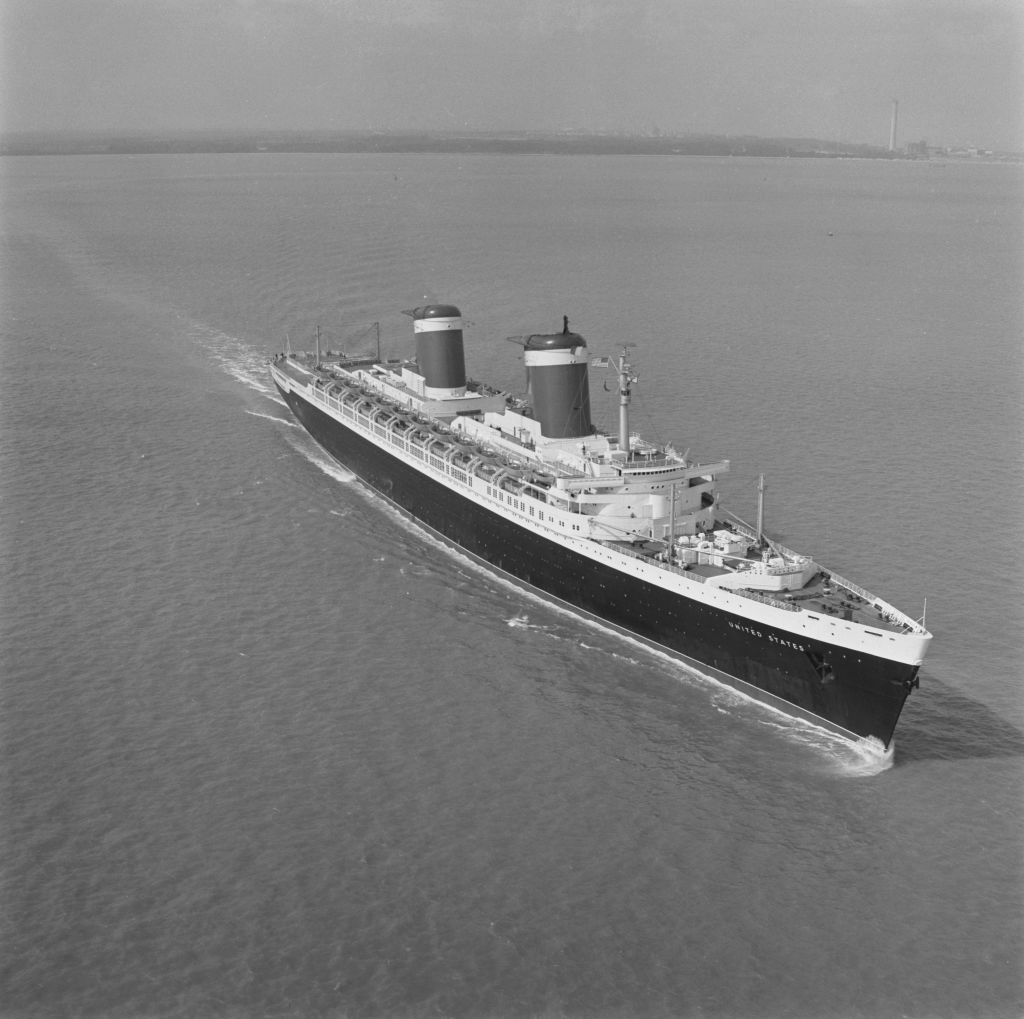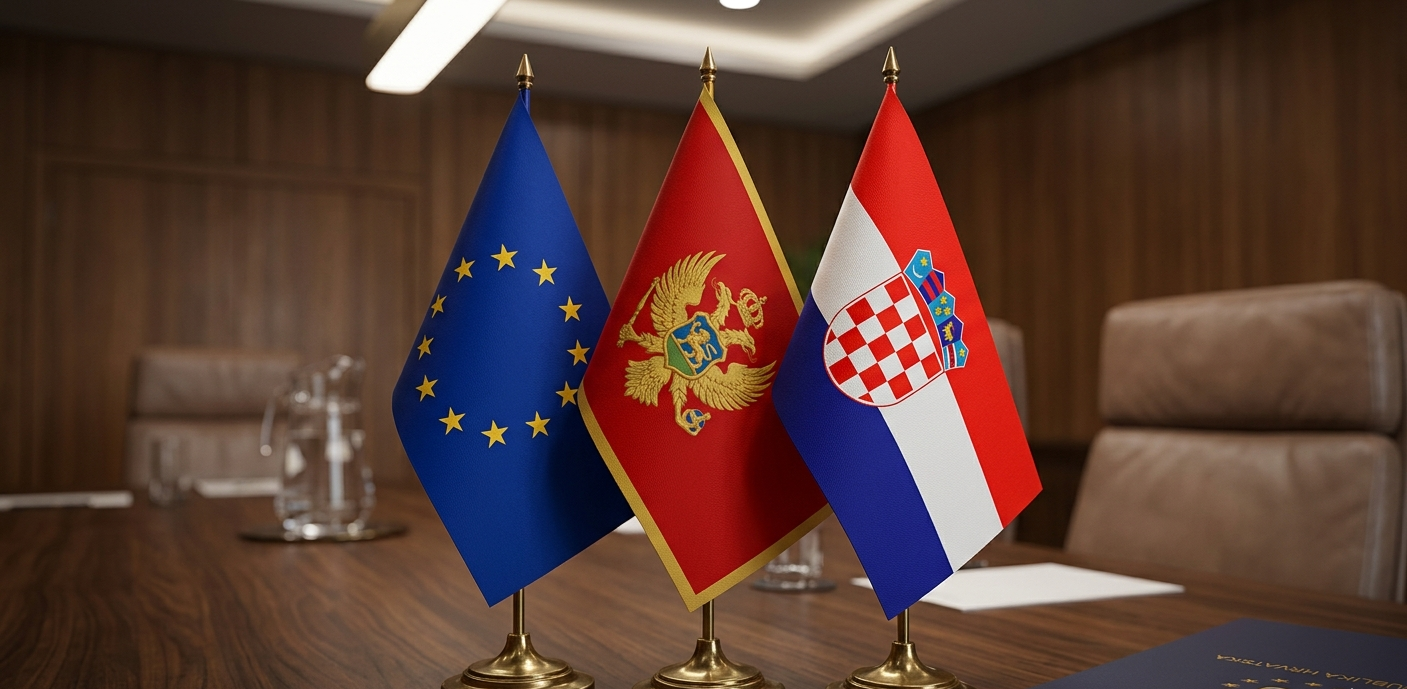
Montenegro and Croatia remain deadlocked over bilateral disputes that are blocking Podgorica’s EU accession, with a planned March 25 meeting canceled and no new date agreed despite Zagreb’s insistence that the ball is in Montenegro’s court. The stalemate centers on Croatia’s December 2024 veto of Chapter 31, covering foreign, security, and defense policy, in Montenegro’s EU negotiations, a move Zagreb justified by unresolved issues including the 92 year old training ship Jadran, which Croatia claims was unlawfully kept by Montenegro after being sent for repairs in 1991, along with maritime border separation near the Prevlaka Peninsula and war legacy disputes. Croatian special advisor Vanda Babić Galić stated that “the continuation of talks depends mostly on the will of the other side,” while Montenegro’s Foreign Ministry countered that it approaches the process “carefully and responsibly, without hasty decisions,” adding that “if necessary” consultations could happen in Podgorica rather than Zagreb.
The diplomatic friction has hardened into institutional standoffs on both sides. Croatia formed a commission in December 2025 to pursue Jadran’s return and resolve military property succession, while Montenegro responded by establishing its own commission led by Defense Minister Dragan Krapović to treat the vessel as “a cultural, historical and military symbol of the state of Montenegro”.
The dispute carries existential weight for Montenegro’s European future, with all 33 negotiation chapters opened and 14 closed, Podgorica had aimed to finish accession talks by 2026 and join the EU by 2028, but Croatia’s veto has frozen progress on the critical foreign policy chapter. President Jakov Milatović has criticized his own government’s “schizophrenic” diplomacy, noting that Croatia exploits internal divisions, while Prime Minister Milojko Spajić’s coalition faces pressure from pro Serbian parties that resist concessions on historical memory that could fracture the ruling majority.
For the Western Balkans, the Croatia-Montenegro deadlock shows how bilateral grievances between neighbors can hijack the EU enlargement process, even when both countries publicly support integration. Croatia, historically Montenegro’s most loyal EU advocate, has weaponized its veto power tactically rather than strategically, reacting to provocations like Montenegro’s controversial June 2024 Jasenovac resolution rather than pursuing systematic resolution. Yet Montenegro’s own diplomatic missteps, including failing to inform the president of key talks and allowing internal coalition rivalries to spill into foreign policy, have given Zagreb leverage it might otherwise lack. With the European Parliament urging constructive resolution and the European Commission confirming Montenegro’s technical readiness, the question is whether leaders in both capitals can move past years of built up anger, or whether the Balkans will stay stuck on the sidelines of Europe, waiting for a future that keeps getting pushed further away.