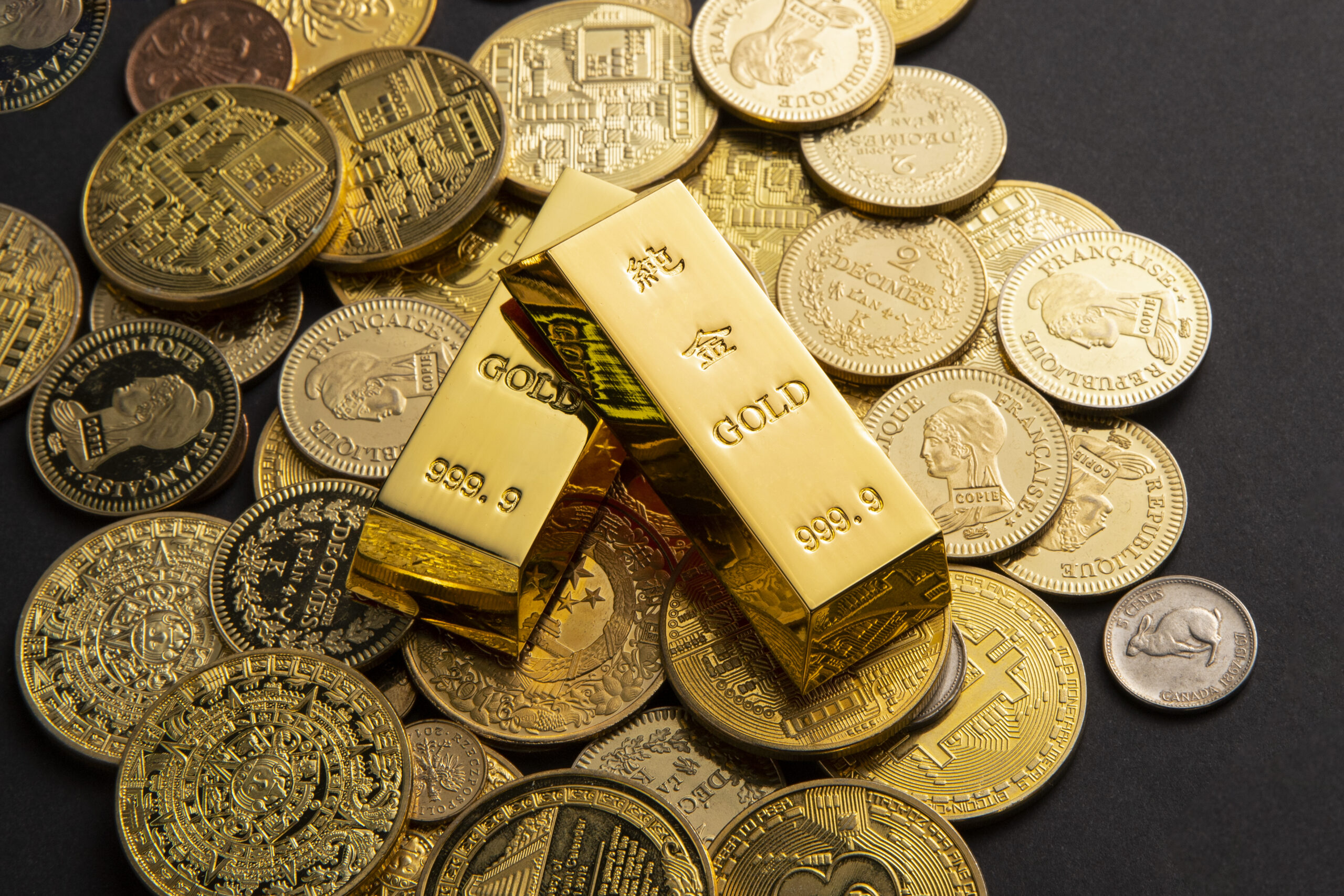
Gold prices fell on global markets after previously reaching high levels, as part of investors moved to sell and take profits. Spot gold dropped by around 0.8 percent to 4,676 dollars per ounce, while US gold futures fell by around one percent. The decline came in a period of heightened uncertainty following unsuccessful negotiations between Iran and the United States, which added pressure to financial markets.
Analysts cited in the reports say the fall does not necessarily mean the market has stabilized. Instead, it is being interpreted as a correction rather than a clear reversal of the broader trend. Gold remains supported by geopolitical uncertainty, inflation risks, expensive oil and the movement of the US dollar, even though it has not risen as strongly as might usually be expected during periods of crisis.
The reports note that investors are currently paying more attention to inflation, interest rates and oil prices than to geopolitical tensions alone. Rising oil prices have renewed concerns about prolonged inflation, which strengthens expectations that the US Federal Reserve could keep interest rates high for longer. That supports the dollar and puts pressure on gold, because the metal does not generate interest income and becomes less attractive compared with assets that do.
A stronger dollar also makes gold more expensive for buyers outside the United States, adding another layer of pressure on demand. According to market estimates cited in the reports, gold could move in the short term within a wider range of 4,400 to 4,800 dollars per ounce, while investors wait for new US inflation data and further developments in relations between Iran and the United States.
Despite the latest decline, the reports stress that global markets have not ruled out another rise in gold prices. In an environment shaped by high oil prices, inflation concerns, a strong dollar and geopolitical uncertainty, gold remains one of the most sensitive indicators of global investor fear.