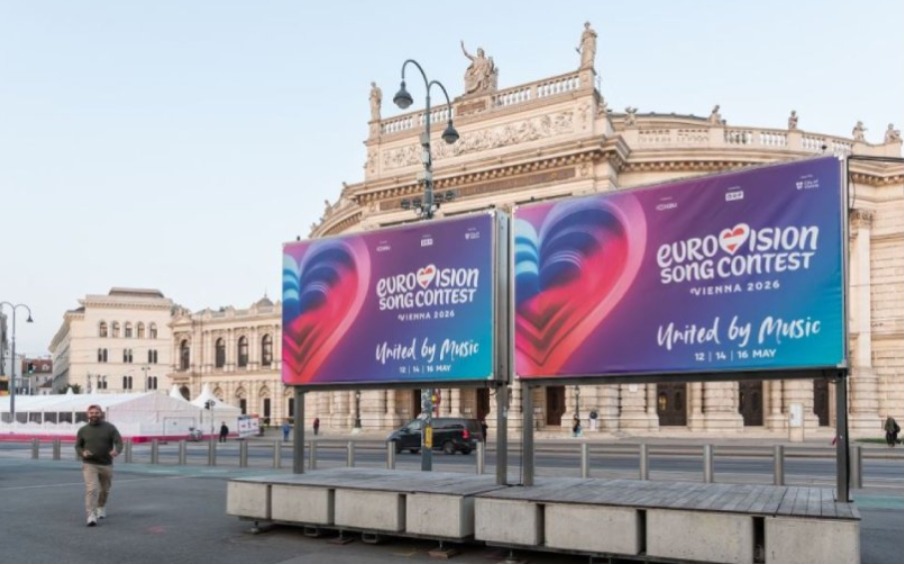
Eurovision 2026 is facing one of the biggest political and organizational challenges in its recent history after several European countries decided to boycott the contest because of Israel’s participation. According to the reports, Spain, Ireland, Iceland, the Netherlands and Slovenia have withdrawn from this year’s competition in protest against the decision to allow Israel to remain part of the event. The boycott has placed the contest under renewed pressure and intensified debate over whether Eurovision can continue to present itself as a non-political music event.
The dispute centers on Israel’s participation in the context of the war in Gaza and broader criticism over humanitarian and political issues. Reports note that several countries had previously called for Israel to be excluded, but the European Broadcasting Union decided not to hold a vote on a possible ban and instead introduced new measures aimed at limiting political influence on voting and results.
The boycott has affected not only participation, but also broadcasting. Some of the countries that withdrew are reportedly refusing to air the show, which is described as a strong blow to a contest that has long promoted the image of European unity and cultural exchange. Slovenia is specifically mentioned among the countries that will not broadcast the event.
The controversy has also triggered wider criticism from the music community. More than 1,000 musicians, including Massive Attack and Brian Eno, have called for a boycott of Eurovision 2026 because of Israel’s participation and demanded a response from the EBU. Their appeal has added further public pressure to the contest and deepened the debate over the role of artists, broadcasters and organizers in politically sensitive circumstances.
The reports frame the current edition as a possible turning point for Eurovision. The combination of withdrawals, public criticism, accusations of politicization and pressure for rule changes has raised questions about whether the contest can continue in its current format. What was designed as a music competition is increasingly being pulled into disputes about international conflict, values, representation and the limits of neutrality.