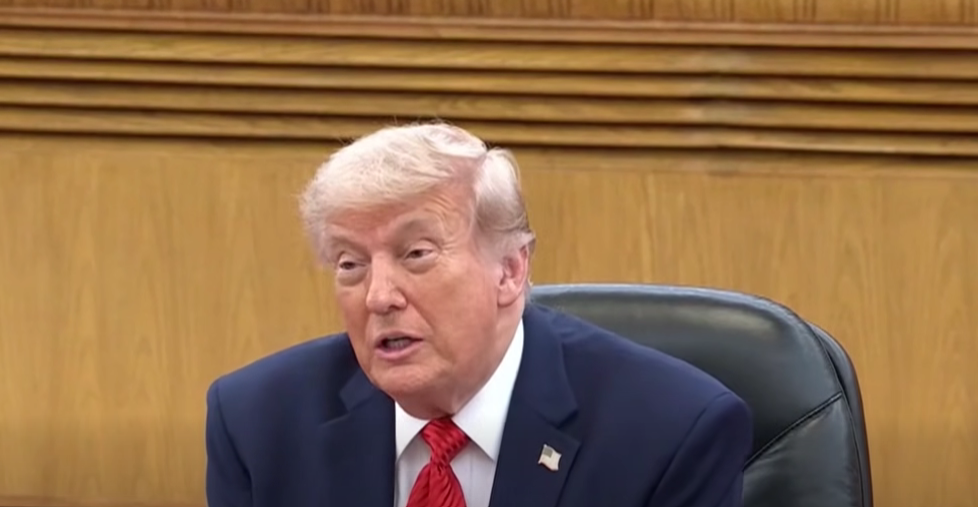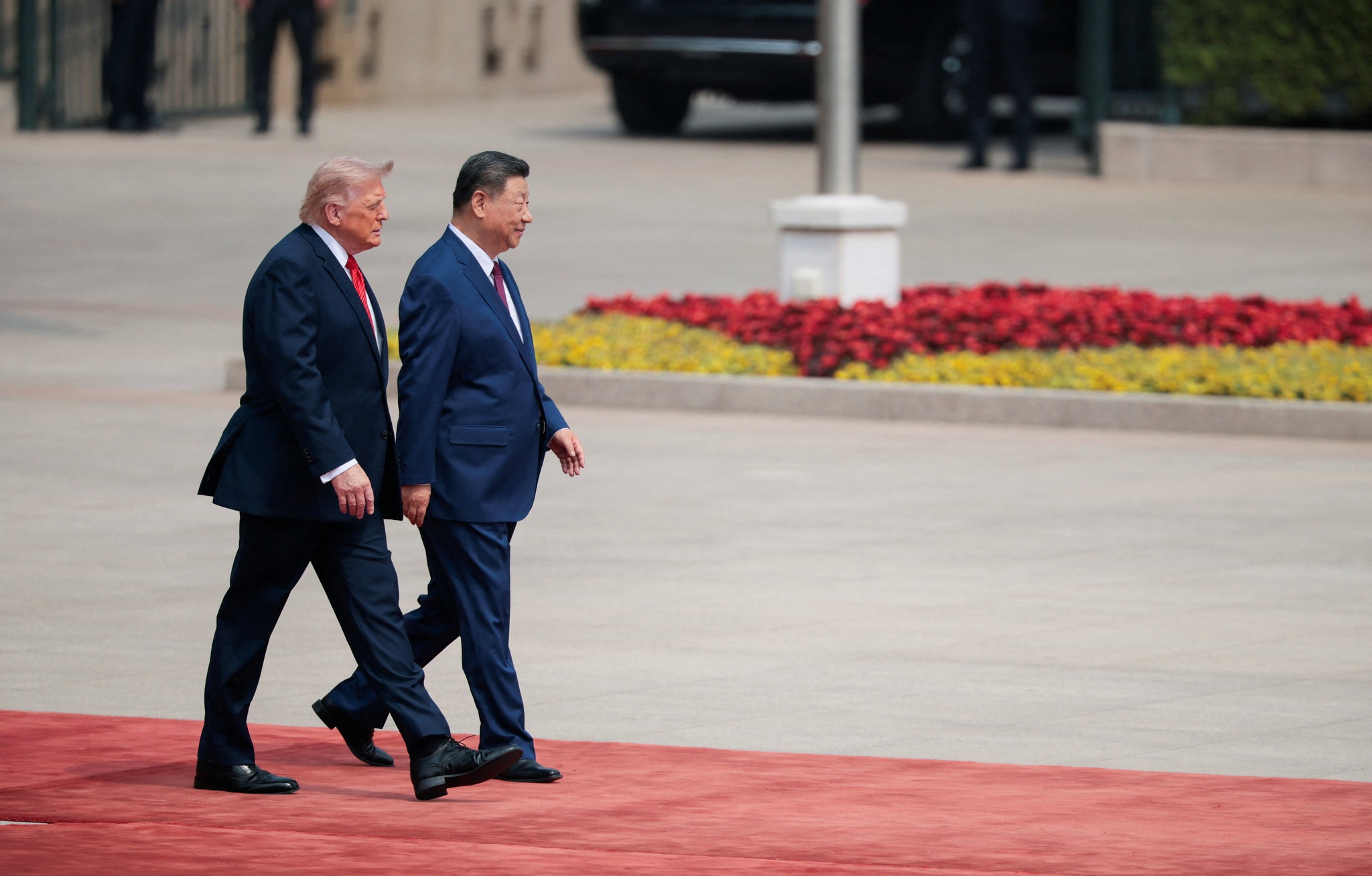
U.S. President Donald Trump and Chinese President Xi Jinping held a closely watched summit in Beijing, aiming to stabilize relations between the world’s two largest economies while tackling a wide range of contentious issues. The high stakes talks covered trade, the ongoing Iran war and the future of Taiwan, underscoring the global importance of the U.S. and China relationship at a time of rising geopolitical uncertainty.
Despite public displays of warmth and praise during the ceremonial welcome at the Great Hall of the People, the discussions reflected deep strategic differences. Both leaders emphasized the need for cooperation and economic stability, particularly as they work to extend a fragile trade truce reached last year. Xi reiterated that economic ties between the two nations remain mutually beneficial, while Trump pushed for greater access for American companies to China’s market. The summit also included a large delegation of U.S. business leaders, highlighting the economic stakes tied to improving bilateral relations.
The issue of Taiwan remained a sensitive topic during the talks. Chinese officials stressed that the island is the most important issue in U.S.–China relations, warning that mishandling it could jeopardize stability between the two countries. While the U.S. readout did not focus heavily on the topic, Washington has long maintained its role as Taiwan’s primary international backer and arms supplier, leaving the issue as one of the most delicate points in the relationship.
Global conflicts also played a major role in the meeting. Trump sought China’s help in ending the war involving Iran, while Beijing reiterated its opposition to further militarization of the Strait of Hormuz and signaled openness to increasing purchases of American oil. These discussions highlighted the growing overlap between economic cooperation and global security concerns as both countries navigate an increasingly complex international environment.
Overall, the summit reflected a careful balancing act between competition and cooperation. While disagreements remain over trade, security and Taiwan, both leaders signaled a willingness to maintain dialogue and avoid escalation. The outcome suggests that stability, not resolution, remains the immediate goal, as Washington and Beijing attempt to manage one of the world’s most influential and complicated relationships.