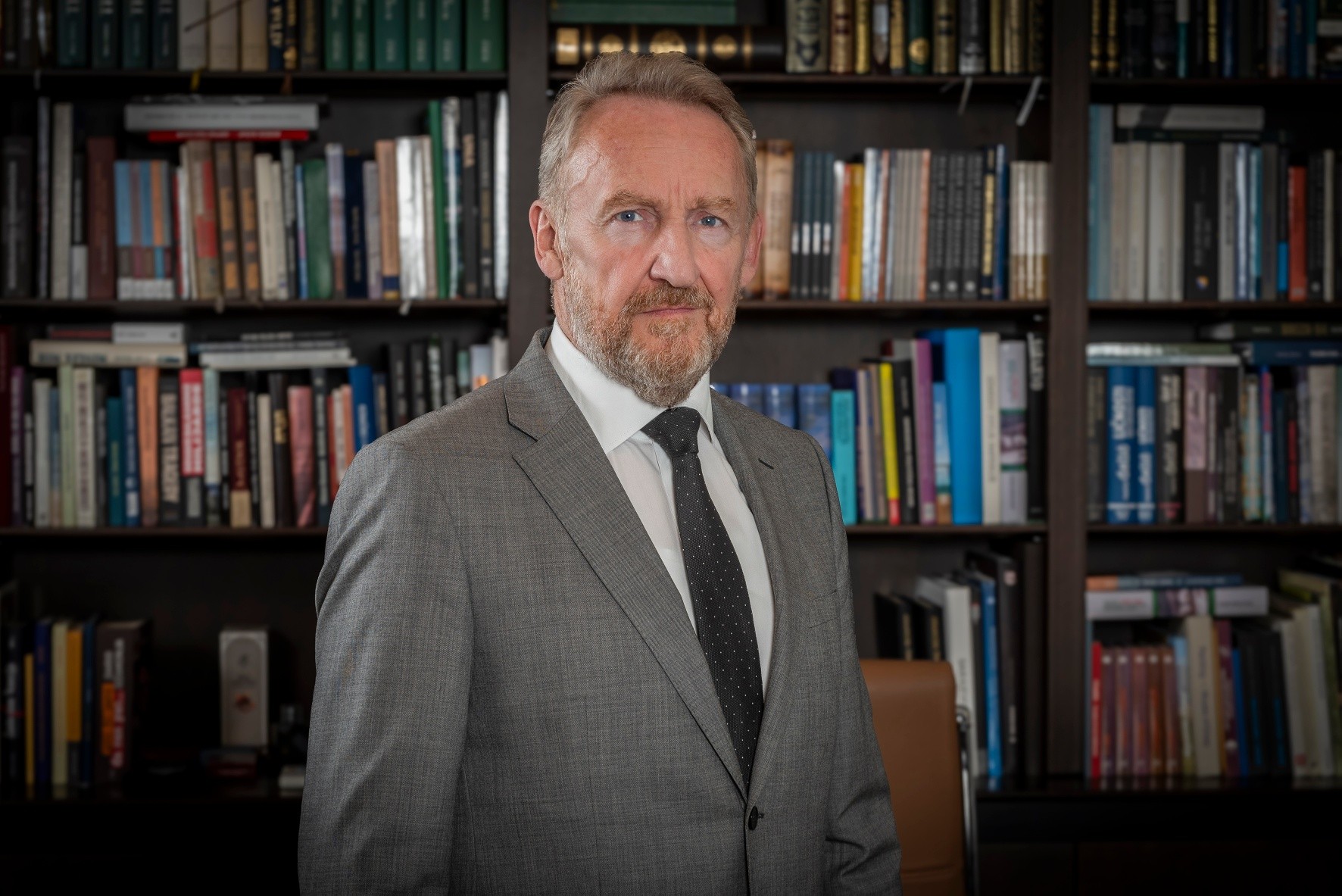
Bakir Izetbegović, president of the Party of Democratic Action (SDA), has officially confirmed his candidacy for the Bosniak seat in Bosnia and Herzegovina’s tripartite Presidency, setting up a high stakes contest in the October 4 general elections that could reshape the country’s fractured political landscape. The announcement, expected to be ratified at an SDA Presidency session, positions Izetbegović, son of Bosnia’s wartime leader Alija Izetbegović, against incumbent Denis Bećirović of the Social Democratic Party (SDP) and Fahrudin Radončić of the Union for a Better Future (SBB), a media tycoon whom Izetbegović cautioned should “not be underestimated” despite expressing confidence in victory.
Izetbegović framed his candidacy as a response to widespread public fatigue with the current “Troika” coalition of SDP, People and Justice (NiP), and Our Party (NS), which he accused of losing citizens’ trust through economic mismanagement. He claimed approximately 10,000 jobs have been lost in recent months and that public companies previously performing well now face financial problems, blaming the SDP for historical patterns where “every government led by the SDP left negative consequences”. He positioned the SDA as “the largest political party in the country” that should take a leading role in political processes, while allowing the SDP could be a partner “but not the bearer of political direction”, a clear signal of his intention to break the multi ethnic coalition experiment that has governed since 2023.
The former Presidency member also delivered sharp critiques of international and domestic institutions. He accused outgoing High Representative Christian Schmidt of failing to complete electoral reforms before his departure, criticizing early constitutional amendments for weakening Bosniak political positions while acknowledging later positive steps including blocking attempts to transfer state property to Republika Srpska. He claimed Schmidt was politically close to HDZ leader Dragan Čović and Croatian Prime Minister Andrej Plenković, influencing decisions against Bosniak interests. On economic issues, Izetbegović warned that without new debts, 80% of pensioners in the Federation would fall below the poverty line, and criticized the Council of Ministers for being effectively controlled by Čović and Dodik. Izetbegović’s return represents both continuity with the SDA’s nationalist conservative tradition and a gamble that voters will choose familiar leadership over the reformist but struggling Trojka, potentially deepening Bosnia’s ethnic polarization at a moment when EU integration demands compromise.