Forty one people in the United States have been placed under strict health surveillance by the Centers for Disease Control and Prevention (CDC) following suspected exposure to hantavirus linked to a recent cruise ship incident. The individuals are considered a high risk group and have been directed to isolate at home for 42 days to guard against a delayed onset of symptoms and prevent further spread of the infection.
According to Dr. David Fitter of the CDC, who is coordinating the on the ground response, the exposed individuals are not a uniform group. Some are passengers who were evacuated to Nebraska and to the Emory medical center after the incident, while others had already returned to their homes before the outbreak was officially confirmed. A third category includes people who may have come into contact with the virus during their travels, including on commercial flights where symptomatic passengers were present.
In parallel, the World Health Organization has warned that the situation could develop in a direction of rising case numbers, given the long incubation period and the close, prolonged interaction among passengers on the cruise ship.
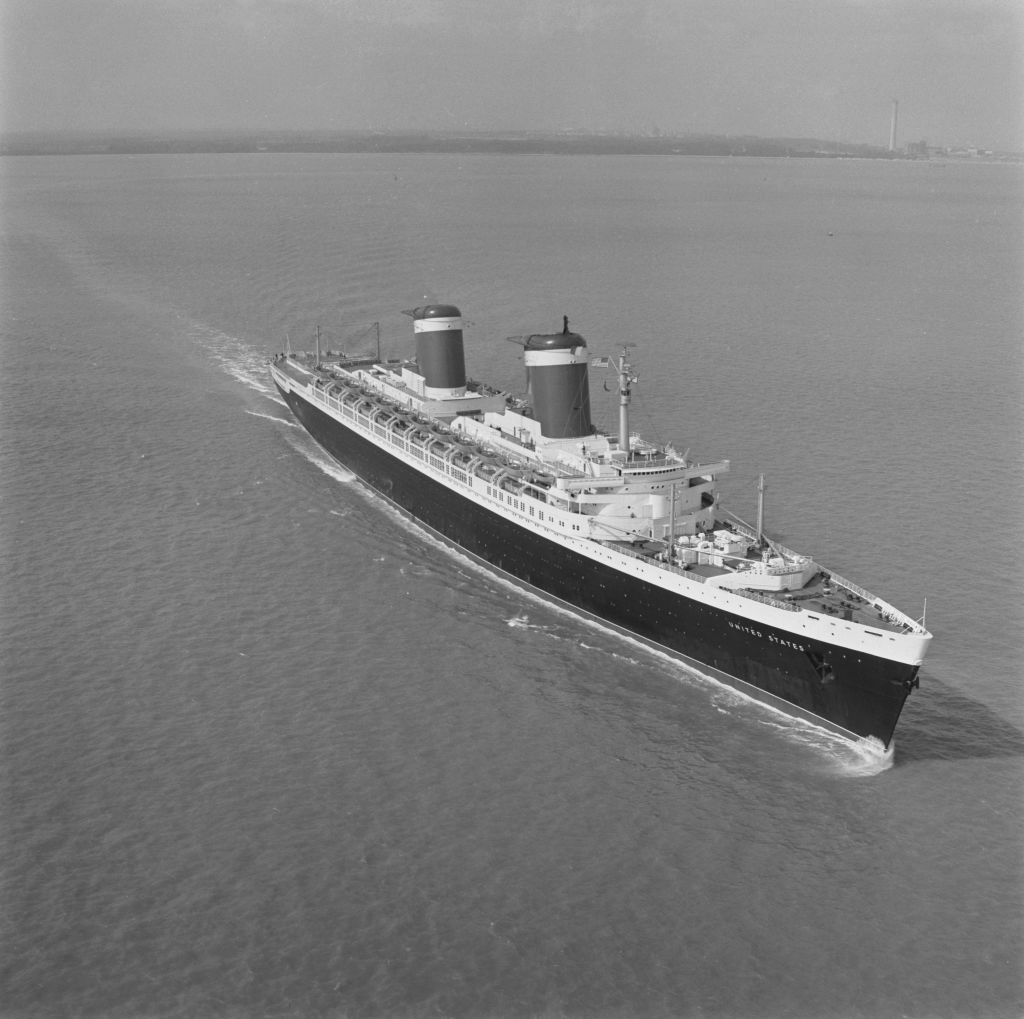
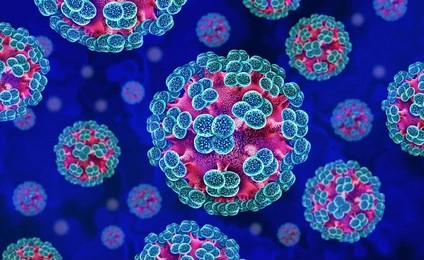
The source of the outbreak is linked to the deadly Andean strain of hantavirus, which was detected in April during the voyage of the Dutch cruise ship MV Hondius as it traveled from Argentina to the Cape Verde Islands. According to WHO data, the incubation period can stretch from six to eight weeks, which further complicates efforts to control any potential spread.
In Europe, the situation remains stable for now. French Health Minister Stéphanie Rist reported that all individuals who had been in contact with confirmed cases in France have been tested, and the results came back negative for everyone, indicating that there is currently no local transmission of the virus.