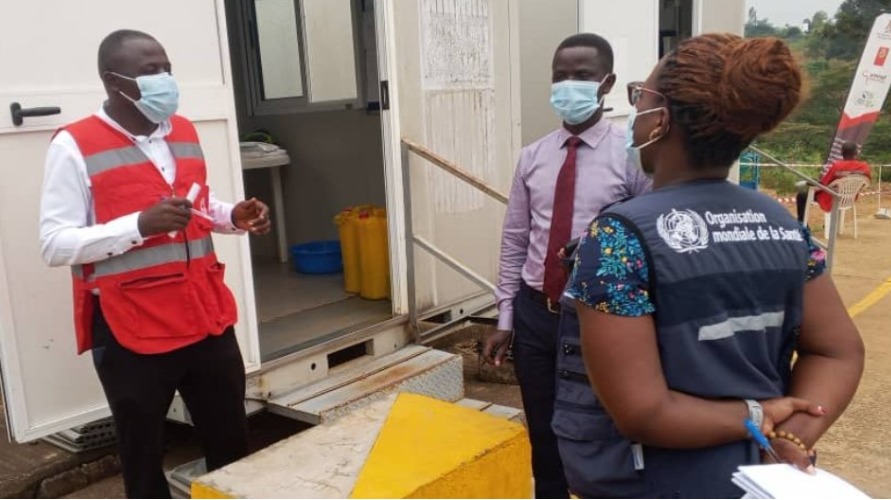
A new Ebola outbreak is spreading in the Democratic Republic of Congo, where at least 100 people have died and nearly 400 suspected cases have been registered, according to the Africa Centres for Disease Control and Prevention. The current outbreak is caused by the Bundibugyo strain of the virus, for which there are no approved vaccines or medicines. A death has also been confirmed in Uganda.
At least six Americans were exposed to Ebola in DR Congo, and one of them is believed to have symptoms. One infected American was urgently evacuated for treatment in Germany, while health authorities continue monitoring possible contacts and cases linked to the outbreak.
Ebola is described as a rare but severe and often deadly viral disease. It spreads through contact with infected bodily fluids, and symptoms can appear between two and 21 days after exposure. The reports note that the disease can cause fever, weakness, vomiting, diarrhea and, in severe cases, internal or external bleeding.
The World Health Organization has raised the alarm because the outbreak involves a rare type of Ebola without an approved vaccine. Health authorities warn that the real number of infections may be higher than currently confirmed, while the situation remains serious due to the speed of transmission, the high fatality risk and the difficulty of controlling outbreaks in affected areas.