Russia has transferred nuclear munitions to field storage sites in Belarus as part of large scale military exercises, according to defense officials in Moscow and Minsk, in a move likely to further heighten tensions with NATO.
The announcement came as Russia and Belarus continued three day nuclear drills involving tens of thousands of troops and extensive military equipment. The exercises are taking place amid growing concerns in Europe over repeated drone incidents near NATO’s eastern flank, particularly in the Baltic region.
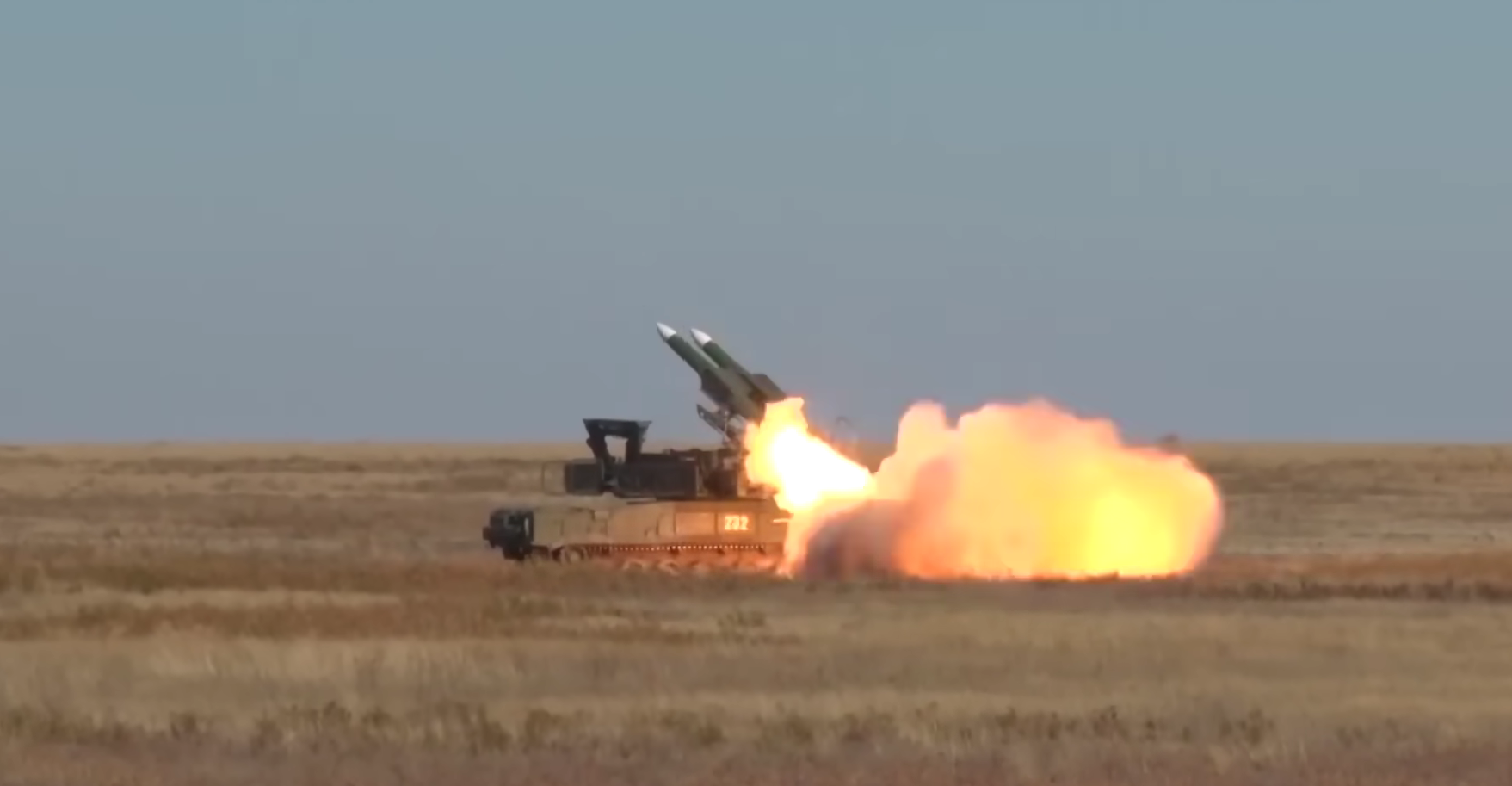
Belarus’ defense ministry said the transfer involved nuclear munitions being moved to field storage points within the operational area of a missile unit. Russian and Belarusian officials also released video footage that they said showed military vehicles moving through a forested area and missiles being loaded onto launchers.
The drills include the Iskander M missile system, a mobile short range ballistic missile platform known by NATO as the SS-26 Stone. The system can carry either conventional or nuclear warheads and has a range of up to 500 kilometers.
Russia’s defense ministry said the exercises involve around 64,000 military personnel and 7,800 pieces of equipment, including more than 200 missile launchers, over 140 drones, 73 surface ships and 13 submarines. Eight of the submarines are described as strategic vessels capable of carrying missiles.
The nuclear drills began Tuesday and are scheduled to run through Thursday across Russia and Belarus. Their timing has drawn additional attention as NATO members in Eastern Europe remain on alert following a series of drone related security incidents.
Ukraine has also responded to the drills by increasing security measures in its northern regions. The country’s security service said it was working to prevent possible infiltration attempts by Russian and Belarusian forces along the border.
Ukrainian President Volodymyr Zelenskyy said he had discussed the risk of a possible Russian offensive in northern Ukraine, including the Kyiv and Chernihiv regions, during a meeting with senior military officials.
The deployment underscores Moscow’s continued reliance on nuclear signaling as part of its broader confrontation with the West, while Belarus remains one of Russia’s closest military allies in the war against Ukraine.