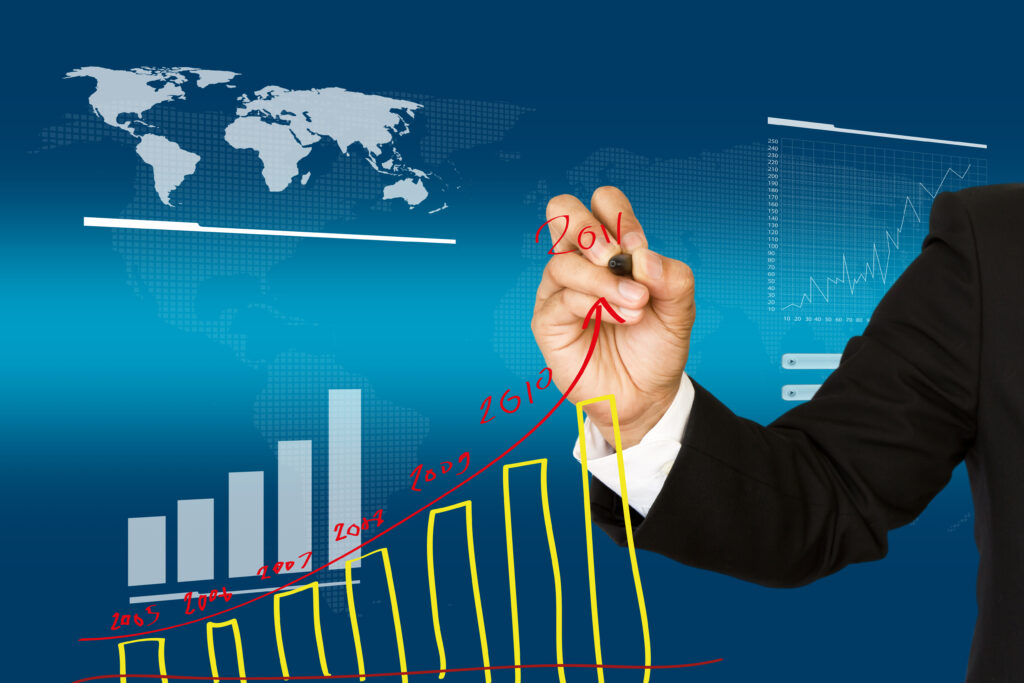
The European Commission expects Serbia’s economy to accelerate from 2% growth in 2025 to 2.8% this year and 3.9% in 2027, riding a wave of public investment tied to the Belgrade EXPO 2027 international exhibition and the accompanying “Leap to the Future” national infrastructure program. Released on Thursday, the Commission’s spring forecast sees the specialized exhibition as the central engine of Serbia’s rebound, with pre EXPO construction driving 2026 expansion and tourism inflows lifting output the following year. Yet the outlook is notably more cautious than the Commission’s November projections, which had penciled in 3.3% and 4.2% respectively, with Brussels citing disruptions from the war in Iran as the primary reason for the downgrade across Southeast Europe.
The forecast’s mechanics reveal a two phase stimulus story. In 2026, growth will be powered by government capital spending ahead of EXPO 2027 and sustained household income growth, while 2027 is expected to bring a dividend from private consumption, EXPO related tourism, and an improving global economy. The first quarter of 2026 already offered a glimpse of this momentum, with Serbia’s GDP expanding 3% year on year according to the national statistics office, up from 2.2% in the final quarter of 2025. The National Bank of Serbia and the International Monetary Fund are somewhat more optimistic than Brussels, forecasting 3% and 2.75% respectively for 2026, and 4.5% and 4% for 2027. Still, the European Commission warned that Serbia’s energy intensive industrial base and large agricultural sector, highly sensitive to fertilizer price spikes, leave it exposed to Middle East conflict spillovers that could derail the trajectory.
Beyond geopolitical headwinds, the Commission flagged home grown vulnerabilities. Domestic political instability and a recent decline in foreign direct investment could undermine medium term prospects, while rapid wage growth risks eroding external competitiveness. On the fiscal front, the government’s 25% cut in fuel excise duties is expected to cost roughly 0.5% of GDP annually, pushing the budget deficit to 3.2% in 2026 and breaching the 3% ceiling before a projected return to compliance in 2027. Inflation, which fell to 3.8% in 2025 thanks partly to temporary retail margin caps on food, is projected to climb to 4.1% this year as global price pressures build and those caps expire, moderating only slightly to 3.9% in 2027 as EXPO demand heats up.
For Belgrade, the EXPO 2027 project represents both a concrete growth catalyst and a high stakes test of macroeconomic management. The exhibition is expected to transform the capital’s infrastructure and draw millions of visitors, but the Commission’s downgrade serves as a reminder that global commodity shocks and domestic political turbulence can quickly overshadow even the most ambitious national projects. Whether Serbia can convert its EXPO moment into sustained convergence with EU income levels will depend on keeping the fiscal deficit in check, attracting stable FDI, and ensuring that temporary stimulus does not permanently weaken the country’s competitive position.