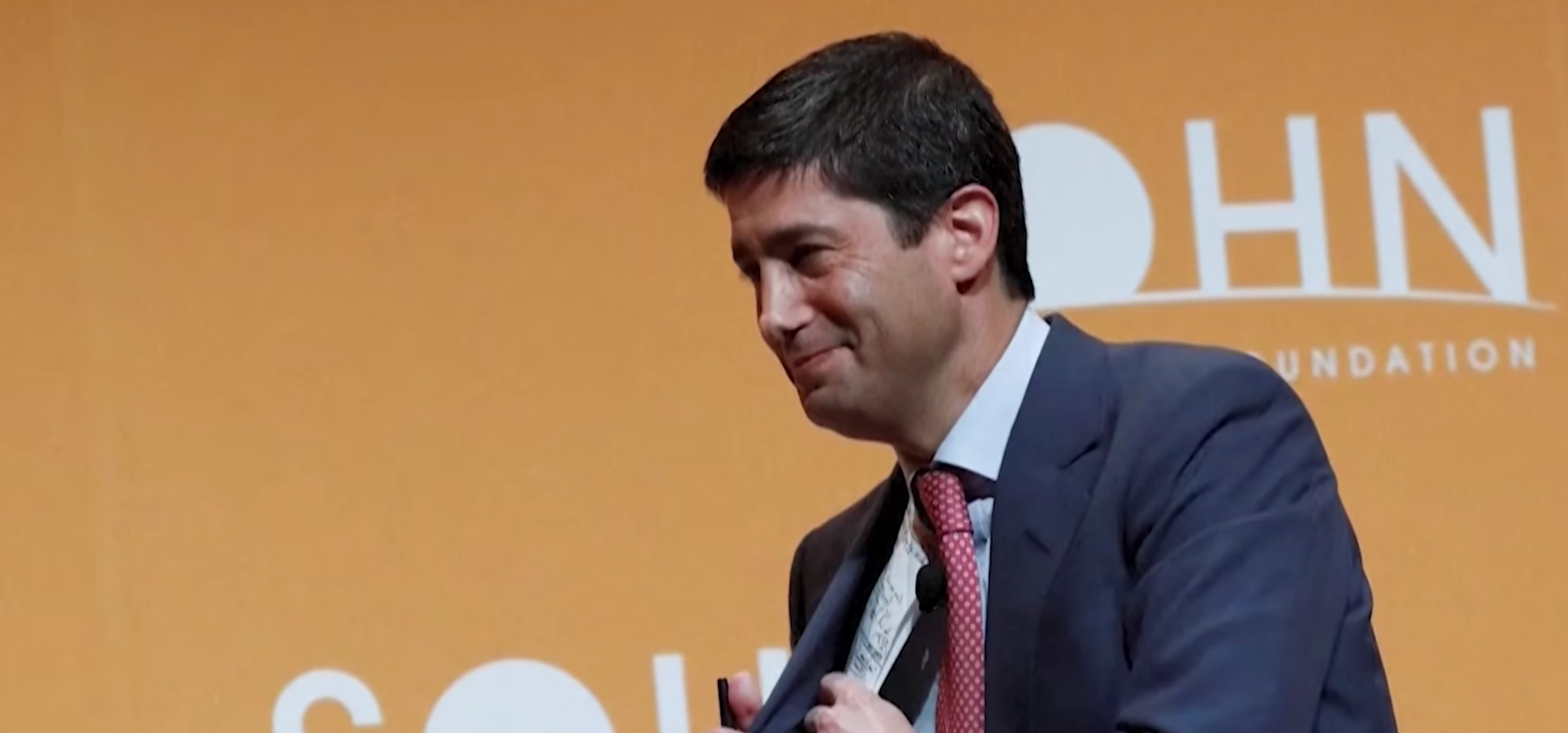
Kevin Warsh was sworn in as the 17th Chair of the Federal Reserve on Friday at a White House ceremony, taking the helm of the world’s most powerful central bank at a moment of acute internal discord over how to confront inflation stoked by the war in Iran. Confirmed by the Senate on 13 May in a sharply partisan 54-45 vote, the most divided confirmation of a Fed chair in modern history, the 56 year old former governor assumes a four year term as chair and a concurrent 14 year term on the Board of Governors. His predecessor, Jerome Powell, will remain a Fed governor until 2028, an unusual arrangement that creates a potential competing power center within an institution already fractured by the most dissenting votes in more than three decades.
President Donald Trump tapped Warsh expecting a reliable ally in the push for lower interest rates, a stance the nominee has long advocated alongside calls to shrink the Fed’s balance sheet. Yet Warsh inherits a policy committee that is drifting in the opposite direction. Minutes from the Fed’s April 28-29 meeting, released just days before his inauguration, revealed that a majority of officials now believe “some policy firming would likely become appropriate” if inflation stays persistently above the 2% target, with many preferring to strip the post meeting statement of language suggesting a future easing bias. The April gathering saw three officials dissent in favor of more hawkish phrasing, while Stephen Miran dissented in favor of an immediate cut, producing the most divided meeting in a generation. Producer prices jumped 6% in April, the fastest pace since December 2022, and the personal consumption expenditures index is expected to have risen 3.8%, moving further from the Fed’s target. The main culprit is the nearly three month old war in Iran, which has driven up energy prices and fanned cost pressures across a widening array of goods and services, leaving Warsh to navigate a committee where the appetite for rate cuts has evaporated just as his political patron demands them.
The political backdrop is equally fraught. Trump has spent years attacking Powell for failing to cut rates, sought to fire Governor Lisa Cook, and launched a Justice Department investigation into Powell’s Senate testimony about a Fed building renovation, a probe that was dropped in April but left open to revival. Senator Elizabeth Warren derided Warsh at his confirmation hearing as a “sock puppet” for Trump, though Warsh denied any pressure and pledged to be “an independent actor.” He will also be the wealthiest Fed chair in history, with disclosed assets of at least $100 million including stakes in Polymarket and SpaceX, which he has promised to divest within 90 days. With financial markets now pricing in possible rate hikes by year end rather than the cuts once expected, and with the June 16-17 meeting looming as Warsh’s first chance to set the tone, the new chair faces an immediate test, whether to honor Trump’s demands for monetary easing or side with a hawkish majority convinced that the Iran shock requires tighter policy. As Oxford Economics’ Ryan Sweet noted, building consensus to move rates in either direction “will be a difficult task anytime soon.”