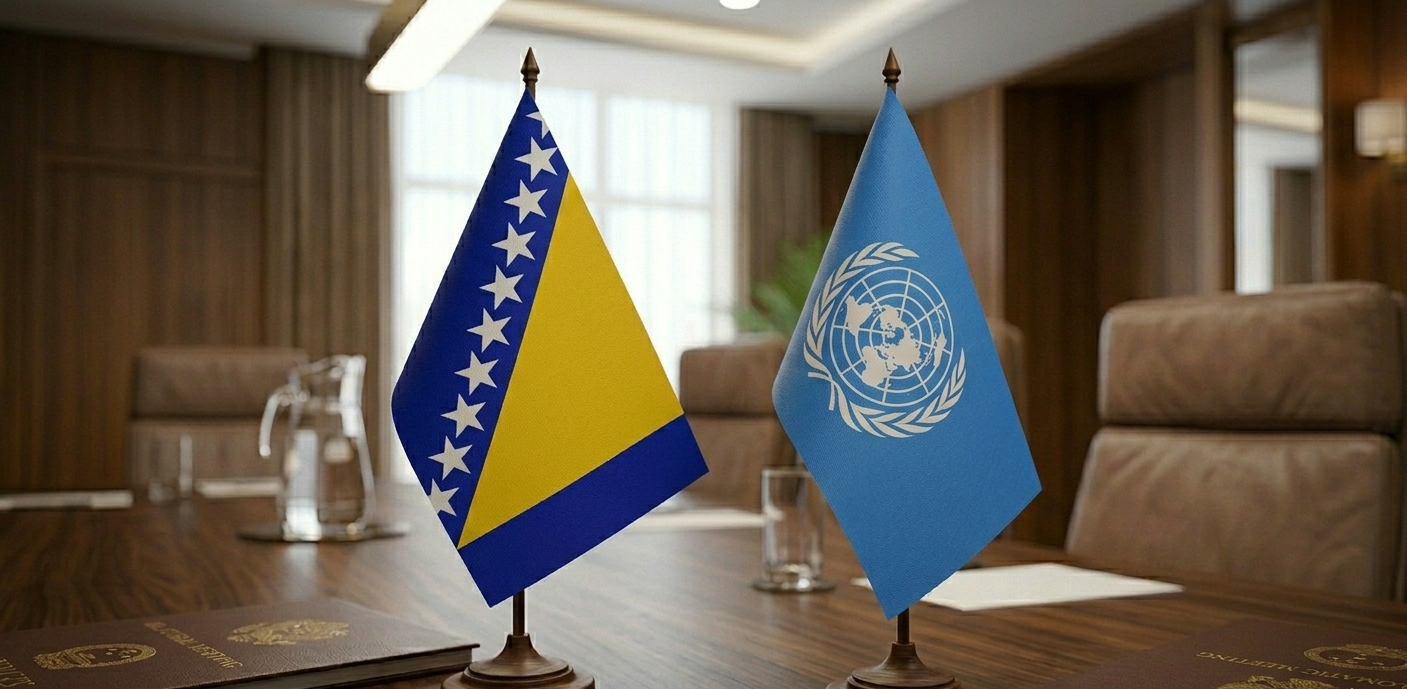
Bosnia and Herzegovina marked 34 years since its admission as a full member of the United Nations, one of the most important dates in the country’s modern history. On 22 May 1992, the Republic of Bosnia and Herzegovina was admitted to the UN after the General Assembly adopted Resolution 755 two days earlier. On the same day, Slovenia and Croatia also became UN members, confirming the international recognition of three former Yugoslav republics as independent states.
The ceremony took place during the 47th session of the UN General Assembly. The then Minister of Foreign Affairs of the Republic of Bosnia and Herzegovina, Haris Silajdžić, said that Bosnia and Herzegovina had become “free from oppression, but not from aggression.” The ceremony was also attended by the first President of the Republic of Bosnia and Herzegovina, Alija Izetbegović.
On that day, the flag of the Republic of Bosnia and Herzegovina with lilies was raised for the first time in front of the UN headquarters in New York. The flag had been adopted on 4 May 1992 and was based on the flag of medieval Bosnia and the Kotromanić dynasty. It was white, rectangular, with the coat of arms of the Republic of Bosnia and Herzegovina in the center, with a width to length ratio of one to two.
Although UN membership represented a historic moment for the country, the aggression against Bosnia and Herzegovina continued until the signing of the Dayton Peace Agreement in Paris on 14 November 1995. For that reason, 22 May remains remembered both as a moment of international recognition and as a date marked by the difficult circumstances in which the state entered the international community.
Bosnia and Herzegovina is described as the oldest UN member among the states created after the breakup of the Socialist Federal Republic of Yugoslavia. According to UN protocol on 22 May 1992, due to alphabetical order, Bosnia and Herzegovina was admitted before Croatia and Slovenia.
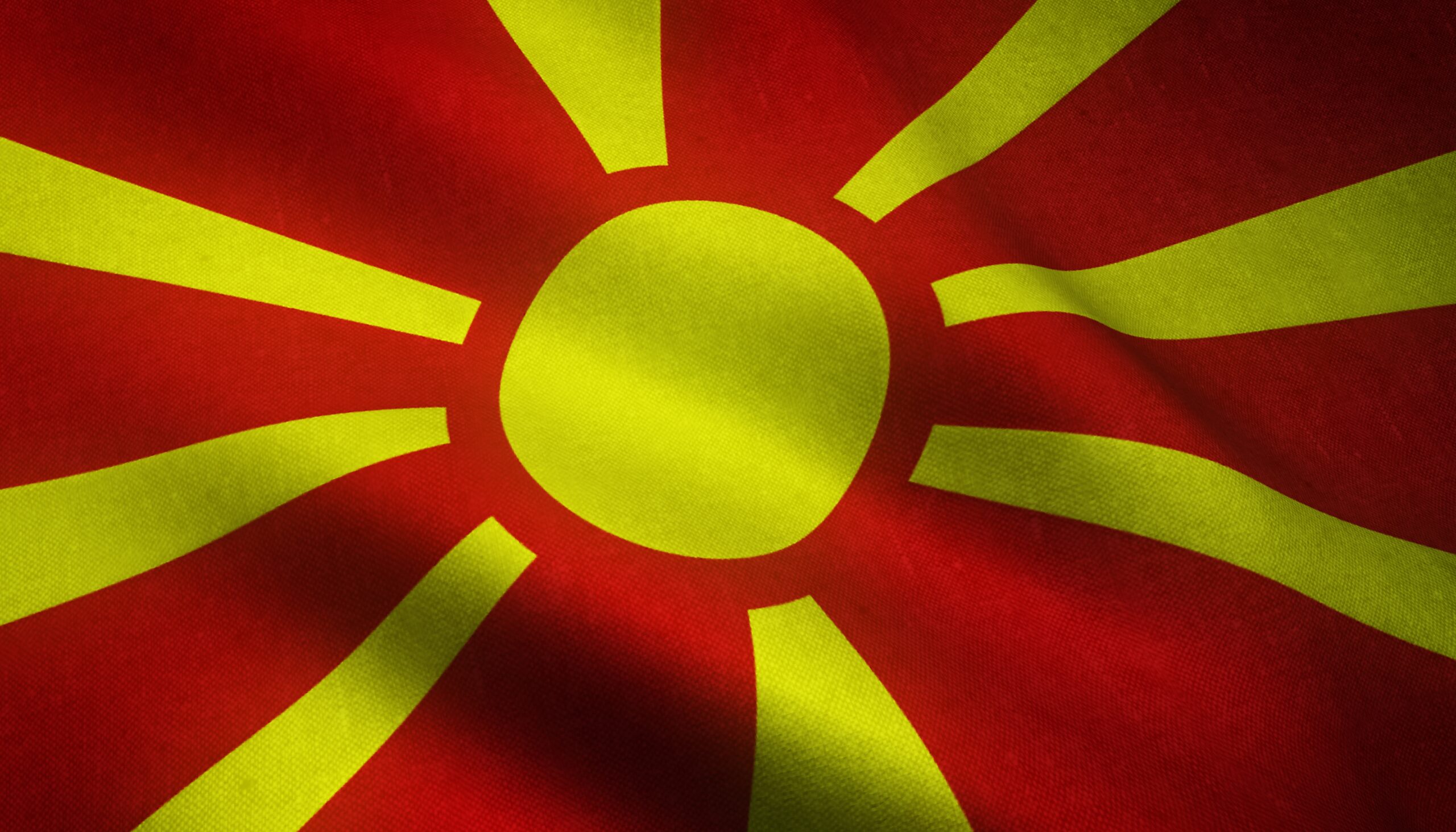
The Federal Republic of Yugoslavia, composed of Serbia and Montenegro, was admitted to the UN on 1 November 2000. After Montenegro declared independence, it became a UN member on 28 June 2006, while Serbia continued the membership that began in 2000. Macedonia became a UN member on 8 April 1993 under the then name the former Yugoslav Republic of Macedonia. Kosovo has not been admitted as a full UN member.
Today, Bosnia and Herzegovina participates in the work of the United Nations through its permanent missions in New York, Geneva and Vienna, as well as through UNESCO, whose headquarters are in Paris. As an independent state, it takes part in regular coordination activities within the UN and is a member of numerous UN bodies.
Bosnia and Herzegovina also participates in international cooperation, follows global political and security issues and takes part in processes related to the resolution of international crises. In line with the UN Charter and the final document of the 2005 World Summit, the Peacebuilding Commission was established as an intergovernmental advisory body reporting to the UN Security Council, with a focus on post-conflict peacebuilding.
In December 2005, Bosnia and Herzegovina submitted its candidacy for membership in this body. The candidacy received a positive response from a number of UN member states, which welcomed Bosnia and Herzegovina’s efforts to change its image through a legitimate request for more active participation in international affairs.