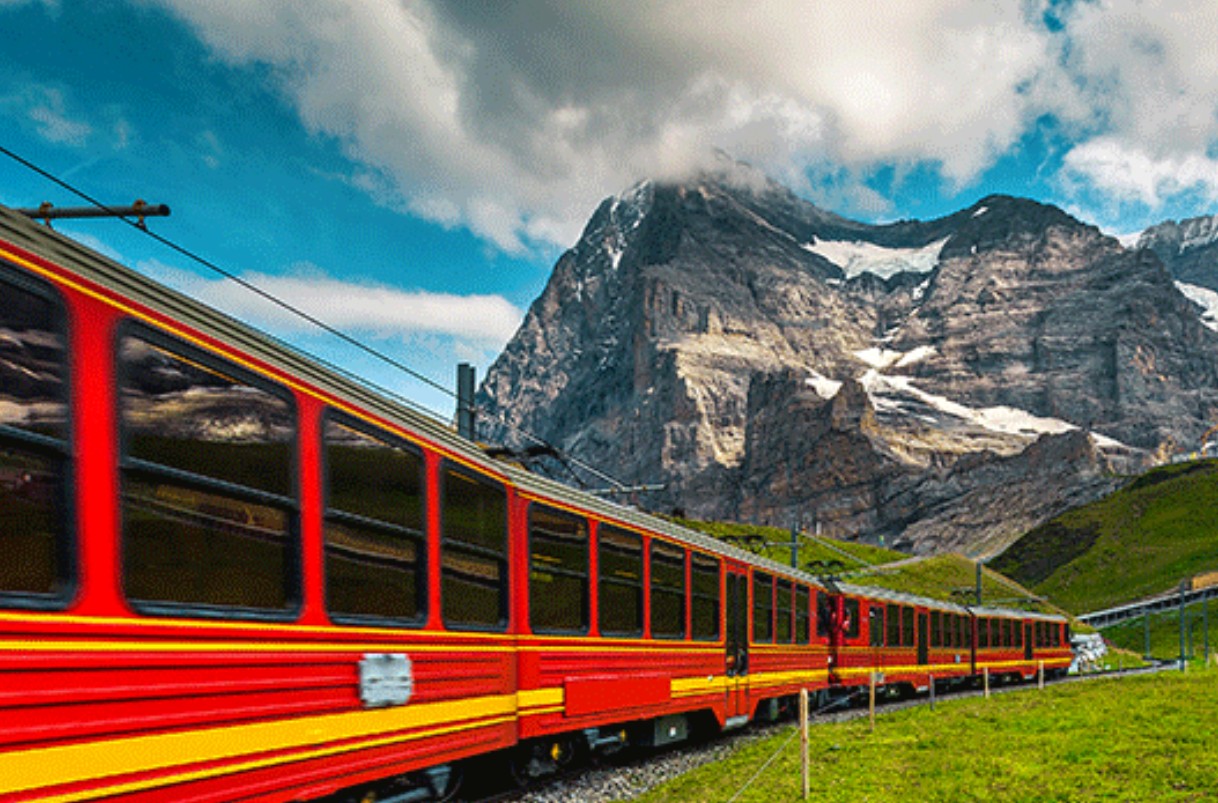
The European Union is moving ahead with a new plan designed to make train travel across the bloc easier, more transparent and better protected for passengers.
The European Commission has unveiled its “One journey, one ticket” initiative, part of a broader Passenger Package aimed at fixing Europe’s fragmented rail booking system. The goal is to allow travelers to buy one ticket for an entire trip, even when the journey involves several train operators and multiple countries.
Under the proposal, passengers would be able to combine different rail segments into a single booking through one platform. That would mean fewer separate apps, fewer complicated transfers between ticketing systems and clearer information about routes, prices and passenger rights.
The plan also strengthens protections for travelers when journeys are disrupted. If a delay or cancellation affects a trip, operators would be required to provide assistance, rerouting, accommodation when needed and compensation. Passengers could receive 25% compensation for delays between 60 and 119 minutes, and 50% for delays of two hours or more.
The Commission says the current system often makes international rail travel unnecessarily difficult. Many cross-border routes cannot be purchased as one unified ticket, especially on longer journeys. According to Euronews, one in five international rail trips on major European corridors cannot be booked as a single ticket through major operator platforms, while the problem becomes even greater on routes longer than 900 kilometers.
A 2025 Eurobarometer survey found that a quarter of Europeans struggle to book tickets involving multiple train journeys, while 43% avoid booking them altogether because the process is too complicated. Planning a long-distance train trip in Europe can also take significantly more time than booking a flight.
Supporters say the measure could make rail travel more attractive by giving passengers the kind of simple booking experience they already expect from airlines. It could also increase competition by requiring rail companies to share ticket data and allowing third-party platforms to sell more routes.
However, the proposal has also raised concerns among major rail operators. The Community of European Railway and Infrastructure Companies has warned that mandatory ticket-sharing rules could interfere with commercial freedom and shift too much power toward large digital platforms.
Industry representatives also argue that ticketing is only one part of the problem. Europe still faces major physical infrastructure gaps, including limited high-speed connections, bottlenecks at borders and incompatible signaling systems between countries.
The proposal will now need to be reviewed by the European Parliament and the Council before it can move forward. If approved, the single-ticket system could become a major step toward making European train travel more convenient, competitive and passenger-friendly.