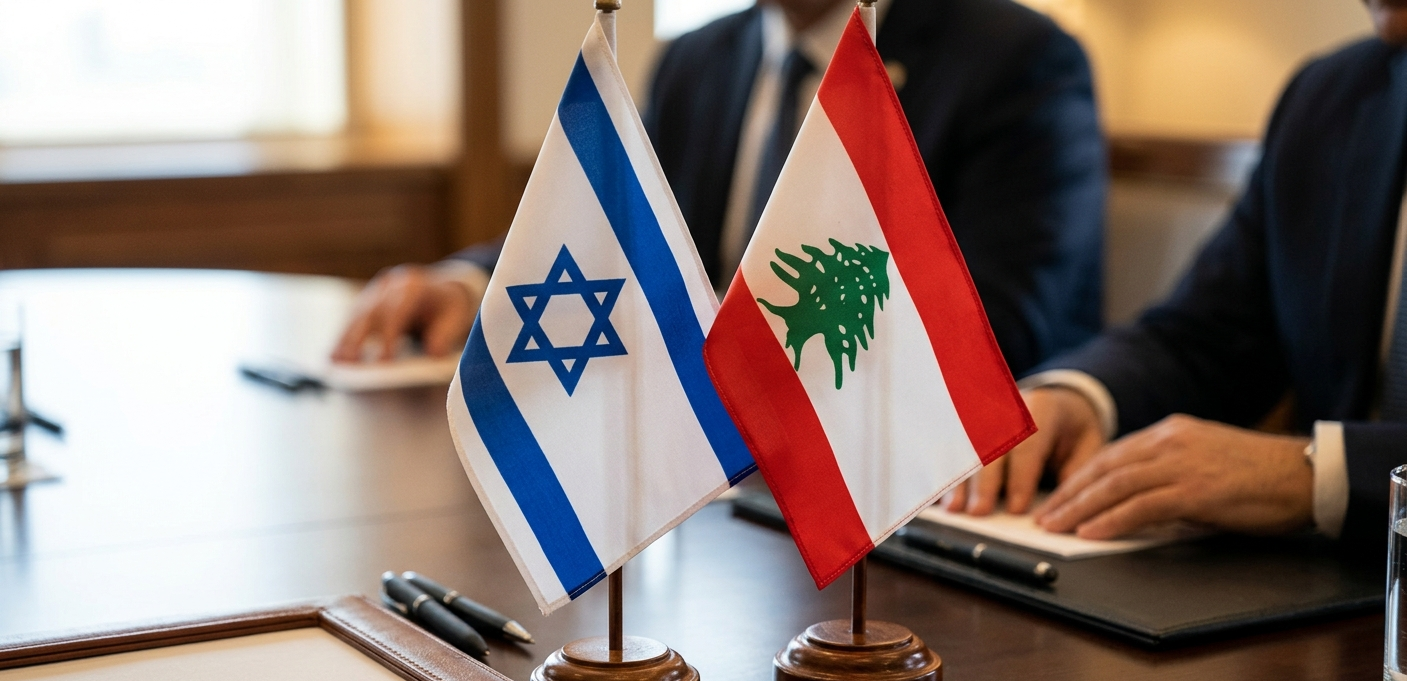
Israel and Lebanon have agreed to move forward with the implementation of a ceasefire framework following intensive U.S. mediated negotiations, raising hopes for a reduction in hostilities along one of the Middle East’s most volatile borders. The agreement, however, remains conditional on a complete halt to Hezbollah attacks and the removal of all Hezbollah operatives from southern Lebanon, a demand that remains one of the central challenges to achieving lasting stability.
The breakthrough follows months of escalating tensions and repeated violations of previous ceasefire arrangements, during which Israeli forces and Hezbollah continued to exchange strikes. The latest round of negotiations lasted nearly nine hours and came after extensive diplomatic discussions involving U.S. officials. Both sides agreed to resume political and security talks during the week of June 22 with the goal of reaching a broader and more comprehensive settlement.
A key element of the emerging framework is the creation of pilot security zones in southern Lebanon. Under the proposal, the Lebanese Armed Forces would assume exclusive control of designated areas, preventing the presence of non state armed groups. While no timeline has been announced, the measure is viewed as a potential first step toward strengthening state authority in regions where Hezbollah has maintained a significant presence for years.
Israel reiterated that its long term security depends on the disarmament of Hezbollah and the dismantling of the group’s military infrastructure throughout Lebanon. Meanwhile, the United States pledged continued support for the Lebanese Armed Forces, aiming to improve their operational capabilities and reinforce Lebanon’s ability to exercise sovereignty across its territory. Analysts note that Washington sees a stronger Lebanese military as essential to reducing the influence of armed factions and preventing future escalations.
The agreement also comes at a sensitive regional moment, as broader diplomatic efforts involving Iran and several Middle Eastern states continue. Many observers believe preventing a new Israel Hezbollah conflict is crucial to avoiding a wider regional crisis that could further destabilize energy markets and ongoing diplomatic initiatives.
While significant obstacles remain before a final agreement can be reached, the latest talks represent one of the most substantial diplomatic steps in recent months. Whether the ceasefire framework evolves into a lasting settlement will largely depend on implementation, security guarantees and the willingness of all parties to maintain dialogue rather than return to military confrontation.