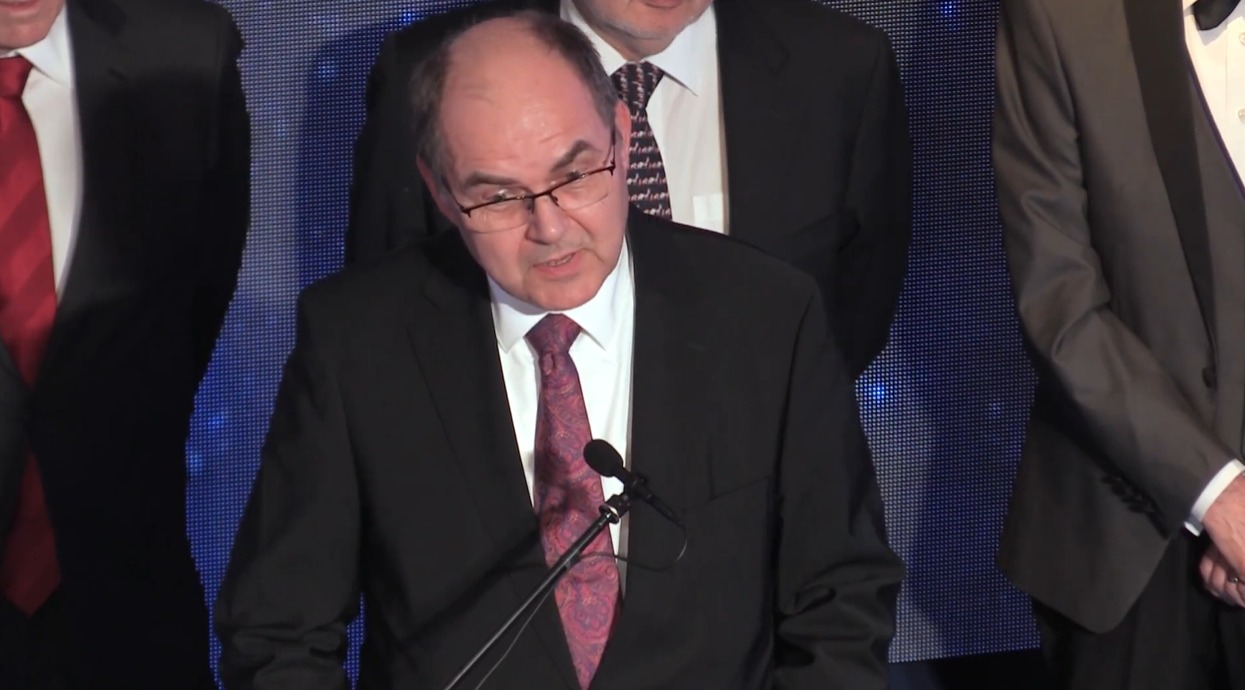
Efforts to appoint a new High Representative for Bosnia and Herzegovina have been delayed after international stakeholders failed to reach an agreement on a successor to Christian Schmidt, extending his mandate until at least the end of June.
The decision came after consultations within the Peace Implementation Council’s Steering Board, the body responsible for overseeing the implementation of the Dayton Peace Agreement and selecting the international official tasked with safeguarding its civilian provisions. Despite intensive discussions in Sarajevo, participants were unable to unite behind a single candidate.
Schmidt, who announced his resignation earlier this year, will continue performing his duties during the transitional period in order to avoid an institutional vacuum at a sensitive moment for Bosnia and Herzegovina’s political landscape. According to statements following the meeting, consultations will continue in the coming days with the goal of identifying a compromise candidate and completing the transition before the end of June.
The selection process has exposed differences among key international actors regarding both the candidate and the future role of the Office of the High Representative. Reports indicate that Italian diplomat Antonio Zanardi Landi and French diplomat René Troccaz have emerged as leading contenders, while broader discussions continue over the scope of authority that the next High Representative should possess.
The position remains one of the most influential institutions established under the Dayton framework, carrying powers that allow intervention in political disputes, the imposition of legislation, and the removal of officials deemed to be undermining the peace agreement. Supporters argue that these mechanisms remain necessary to preserve stability, while critics believe Bosnia and Herzegovina should gradually assume greater responsibility for its own governance.
The inability to reach consensus highlights the continuing international importance of Bosnia and Herzegovina nearly three decades after the Dayton Agreement. Until a successor is agreed upon, Schmidt will remain in office, ensuring continuity while diplomatic negotiations over the future leadership of the institution continue.