The US Supreme Court has unanimously limited the application of a decades old federal law barring firearms possession by drug users, ruling that the government cannot categorically strip gun rights from Americans who use marijuana without proving they pose a danger. In a 9-0 decision authored by conservative Justice Neil Gorsuch, the court upheld a lower court’s dismissal of an illegal gun possession charge against Ali Hemani, a dual American-Pakistani citizen and Texas resident who told authorities he used marijuana about every other day. The ruling stops short of fully striking down the 1968 Gun Control Act provision, but it delivers a significant blow to the Trump administration’s defense of the law and protects millions of Americans who use cannabis from facing federal firearms charges based solely on their drug use.
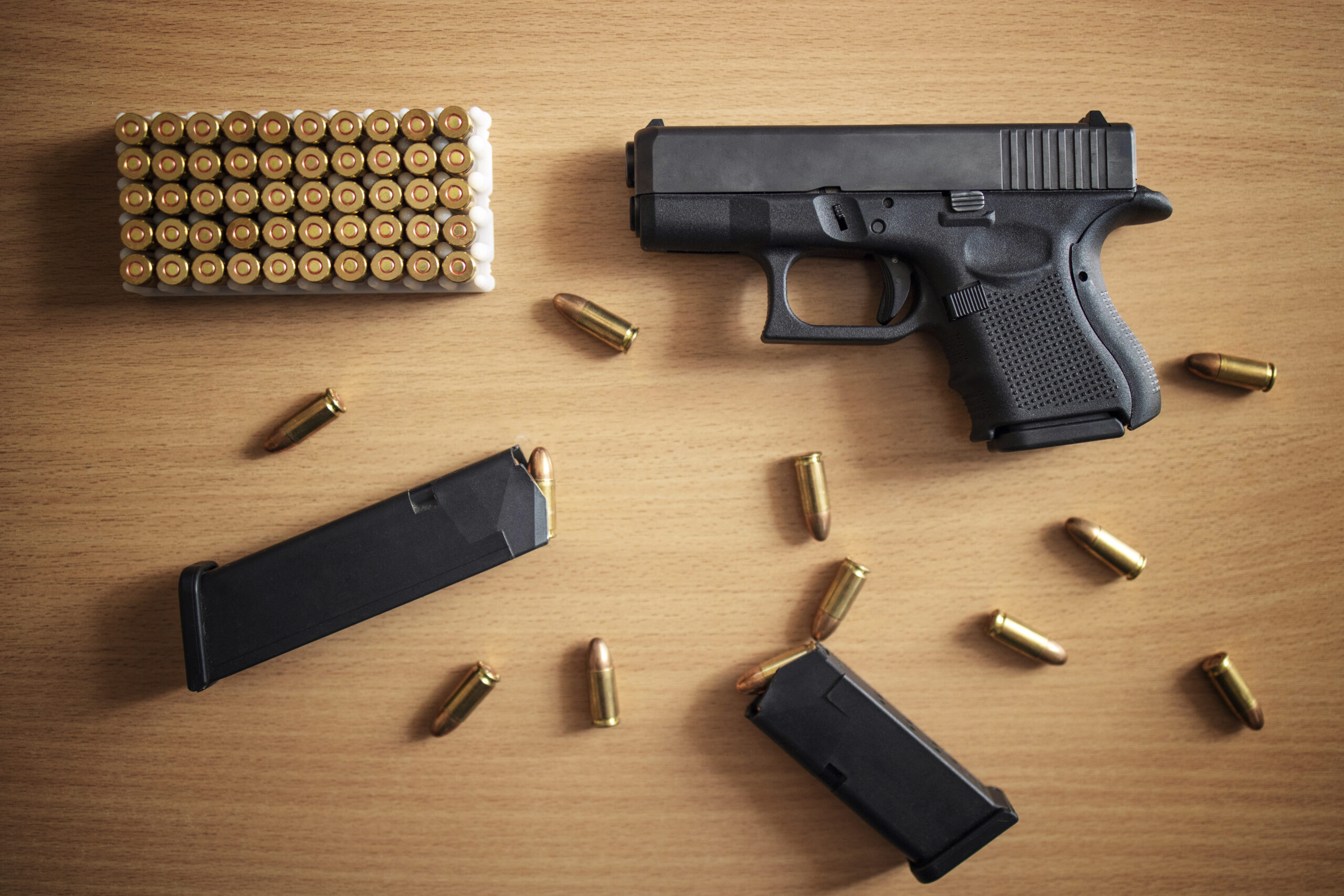
The case centered on whether the government could prosecute Hemani under a provision of the Gun Control Act that makes firearm possession illegal for anyone who “is an unlawful user of or addicted to any controlled substance.” Hemani was charged in 2023 after an FBI raid of his parents’ home in Denton County uncovered a Glock 9mm pistol, marijuana, and cocaine. While authorities did not accuse him of being intoxicated during the search, the Justice Department cited his travel to Iran and his brother’s attendance at an Iranian university as reasons for FBI attention. Hemani moved to dismiss the charge, arguing it violated his Second Amendment rights under the stringent test the Supreme Court established in its 2022 Bruen decision, which requires gun laws to be “consistent with the nation’s historical tradition of firearm regulation.” The New Orleans based 5th US Circuit Court of Appeals dismissed the charge in 2025, ruling that the firearm ban cannot be applied unless a person is under the influence of drugs while possessing a gun.
Gorsuch’s opinion focused on the government’s failure to demonstrate that Hemani was either an addict or a danger to himself or others. He noted that the Trump administration’s position had become “awkwardly positioned” after it softened its stance on barring marijuana users from owning guns midway through the case, a shift tied to President Trump’s December 2025 executive order directing the rescheduling of marijuana from Schedule I to Schedule III. The Justice Department had argued that “habitual users” of unlawful drugs could still be prosecuted, comparing the restriction to 19th century laws that allowed authorities to temporarily disarm “habitual drunkards.” Gorsuch rejected the analogy, writing that those laws “targeted different kinds of people, did so for different purposes and operated in different ways.” The court’s ruling comes as marijuana has been reclassified as less dangerous under federal law, with state licensed medical cannabis moved to Schedule III on April 23, 2026, following an executive order by Trump.
The decision has drawn praise from civil liberties advocates and criticism from law enforcement quarters. Naz Ahmad, Hemani’s lawyer, called the ruling a protection for “millions of Americans from draconian punishment, simply because they happen to use marijuana and own a firearm.” ACLU attorney Cecillia Wang noted that the decision “sent a strong message that the government cannot criminalize the conduct of large numbers of people by making categorical and unfounded assumptions about whether they are dangerous.” The gun restriction at issue gained national prominence in 2024 when federal prosecutors used it to convict Hunter Biden, who later received a pardon from his father, then President Joe Biden. The president’s son was accused of lying about his narcotics use when purchasing a Colt Cobra handgun in 2018. The court is expected to rule by late June in another significant Second Amendment case challenging a Hawaii law that restricts carrying handguns on private property open to the public without the owner’s permission.