A long-standing border dispute between Croatia and Montenegro over the Prevlaka peninsula has resurfaced, with the issue once again becoming a point of tension between the two neighboring countries.
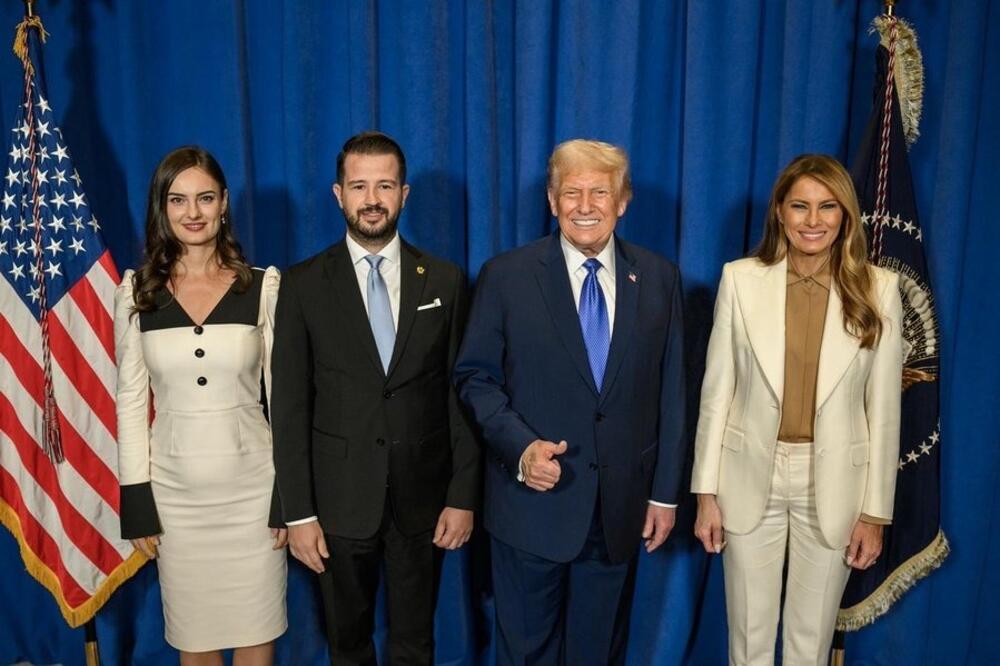
Montenegrin President Jakov Milatović recently brought the topic back into focus by saying that Cape Oštro should belong to Montenegro. His statement drew a sharp response from Croatia. Vanda Babić Galić, an adviser to Croatian Foreign and European Affairs Minister Gordan Grlić Radman, said such comments represent a step backward and revive rhetoric linked to past territorial claims against southern Croatia.
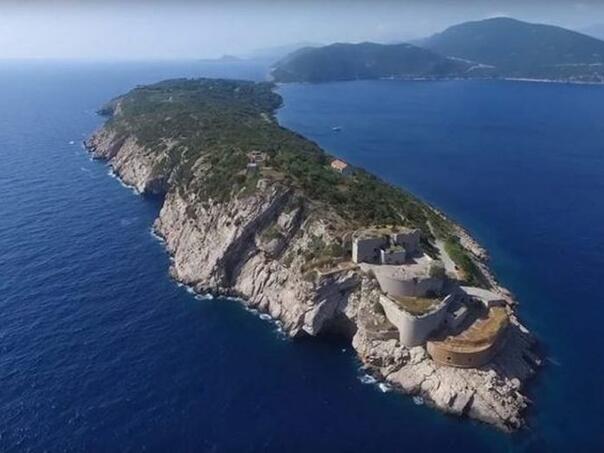
The dispute centers on the Prevlaka area, including Cape Oštro, as well as the maritime border between the two countries. According to Croatian legal experts, the entire Prevlaka peninsula belongs to Croatia, based on the 1992 opinion of the Badinter Commission, which stated that the former internal borders of Yugoslav republics became international borders after the breakup of Yugoslavia.
Experts believe Montenegro has a stronger case when it comes to maritime delimitation rather than the land border. Some say the real issue may eventually focus on the territorial sea and continental shelf, rather than Cape Oštro itself.
The two countries agreed in 2008 that if bilateral talks failed, the dispute could be referred to the International Court of Justice in The Hague. Because of that, many observers believe an international legal body may ultimately have to settle the matter.
The dispute also has a strategic and economic dimension. Some Montenegrin experts have previously argued that possible oil and gas reserves in the area between Cape Oštro and Mamula Island may be part of the background to the renewed tensions.
Relations between Croatia and Montenegro have already been strained in recent years. Croatia blocked Montenegro’s closing of Chapter 31 in its EU accession talks in late 2024, while Zagreb has also raised several unresolved issues, including wartime compensation, missing persons, property claims, the training ship Jadran, and border questions.
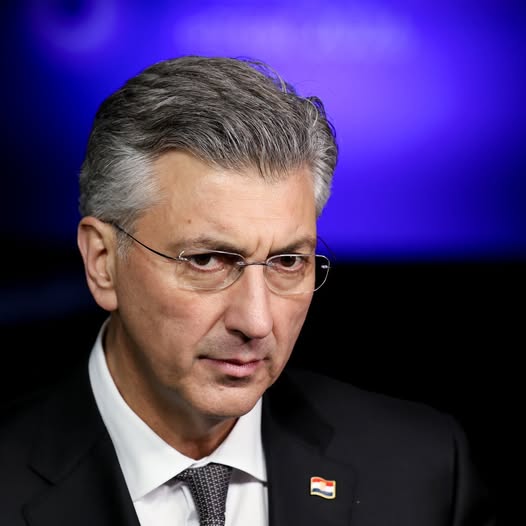
Croatian Prime Minister Andrej Plenković has said Podgorica is ready to work seriously on open issues, but Zagreb continues to insist that all outstanding matters must be addressed as part of the broader dialogue between the two countries