Shipping traffic through the Bab el Mandeb Strait fell to its lowest level in months on Sunday after Yemen’s Houthi movement attacked Saudi oil facilities along the Red Sea coast, according to shipping data from Kpler cited by Reuters. Only 11 commodity vessels passed through the strategic waterway, including seven oil tankers, as concerns grew over the safety of one of the world’s most important maritime routes. Traffic through the Strait of Hormuz also remained unusually low despite a temporary pause in U.S.-Iran military strikes, highlighting how uncertainty continues to affect energy and shipping markets.
The latest disruption comes after the Houthis, who are aligned with Iran, announced a naval blockade targeting Saudi linked shipping. The group said its forces had attacked sites belonging to Saudi state oil company Aramco in Jizan and Yanbu, two important Red Sea locations. The attacks have increased concerns that the conflict could disrupt Saudi Arabia’s ability to move crude through the Red Sea and could further discourage shipping companies from using the Bab el-Mandeb Strait.
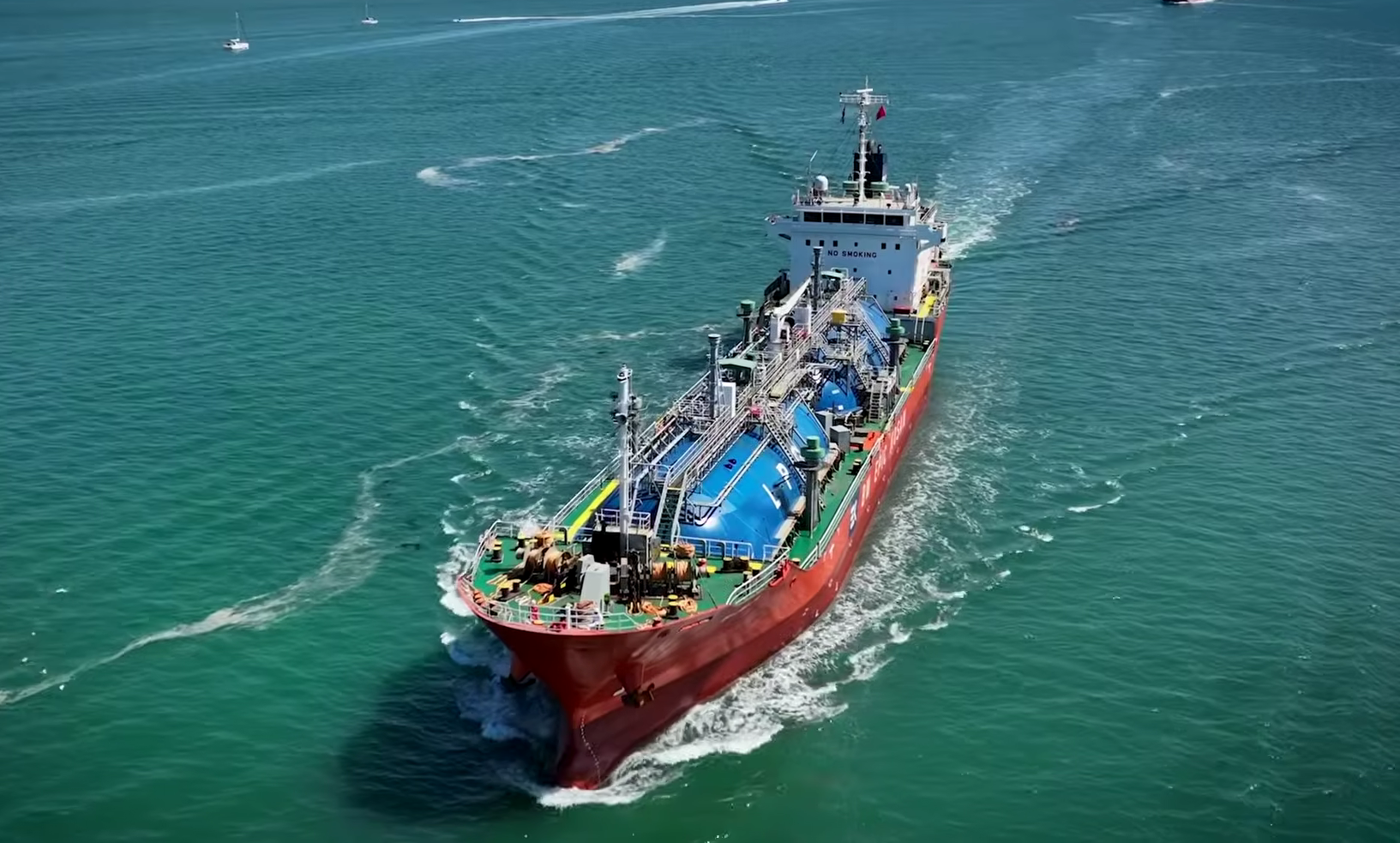
The impact is already visible in shipping patterns. Among the vessels that crossed the strait on Sunday were two very large crude carriers heading toward Yanbu to load Saudi oil. Several other tankers left the Red Sea carrying Saudi, Emirati and Russian crude toward Asian markets. One of the vessels carried about two million barrels of Saudi and Emirati crude for China, while another supertanker carrying a similar amount of Saudi crude was also reported leaving the region. The continued movement of some ships shows that the route has not completely closed, but the sharp decline in traffic suggests that operators are becoming increasingly cautious.
The Bab el Mandeb is particularly important because it connects the Red Sea with the Gulf of Aden and the wider Indian Ocean. The U.S. Energy Information Administration estimates that about 4.2 million barrels per day of crude oil, condensate and petroleum products passed through the strait during the first half of 2025. Attacks and security concerns have already pushed some vessels to take longer routes around the Cape of Good Hope, adding both time and expense to journeys between the Middle East, Europe and Asia.
The situation is even more significant because shipping through the Strait of Hormuz, another major energy chokepoint, has also remained depressed. Fewer than 10 commodity vessels a day crossed Hormuz over the weekend, with just seven recorded on Sunday. The combination of reduced traffic through both waterways has raised concerns about the vulnerability of global energy supply chains if disruptions continue. Hormuz normally carries a much larger volume of oil: the EIA estimates that around 20.9 million barrels per day passed through it in the first half of 2025.
For global markets, the consequences extend beyond the shipping industry. Earlier disruptions in the region pushed physical crude prices in the Middle East, Europe and Africa to two month highs, while longer shipping routes can increase fuel, insurance and transportation costs. UNCTAD has previously warned that prolonged disruption around the Red Sea and Suez Canal can raise shipping costs, delay deliveries and contribute to inflationary pressure.
Although the temporary pause in U.S.-Iran strikes has provided some relief to financial markets, shipping companies have not immediately returned to normal operations. The latest attacks on Saudi infrastructure demonstrate that even when fighting between major powers temporarily slows, regional groups can continue to threaten critical trade routes. Oil prices also fell sharply on Monday as hopes for de escalation increased, but analysts warned that shipping flows could take longer to recover because companies remain cautious about security risks.
The slowdown at Bab el Mandeb therefore represents more than a temporary decline in vessel traffic. With both the Red Sea and Strait of Hormuz facing security challenges, the conflict is placing pressure on two vital routes for the movement of energy and other goods. If the disruptions persist, longer routes, higher transportation costs and tighter energy supplies could continue to affect businesses and consumers far beyond the Middle East. For now, the limited recovery in shipping shows that the region’s maritime trade remains highly sensitive to any new escalation.