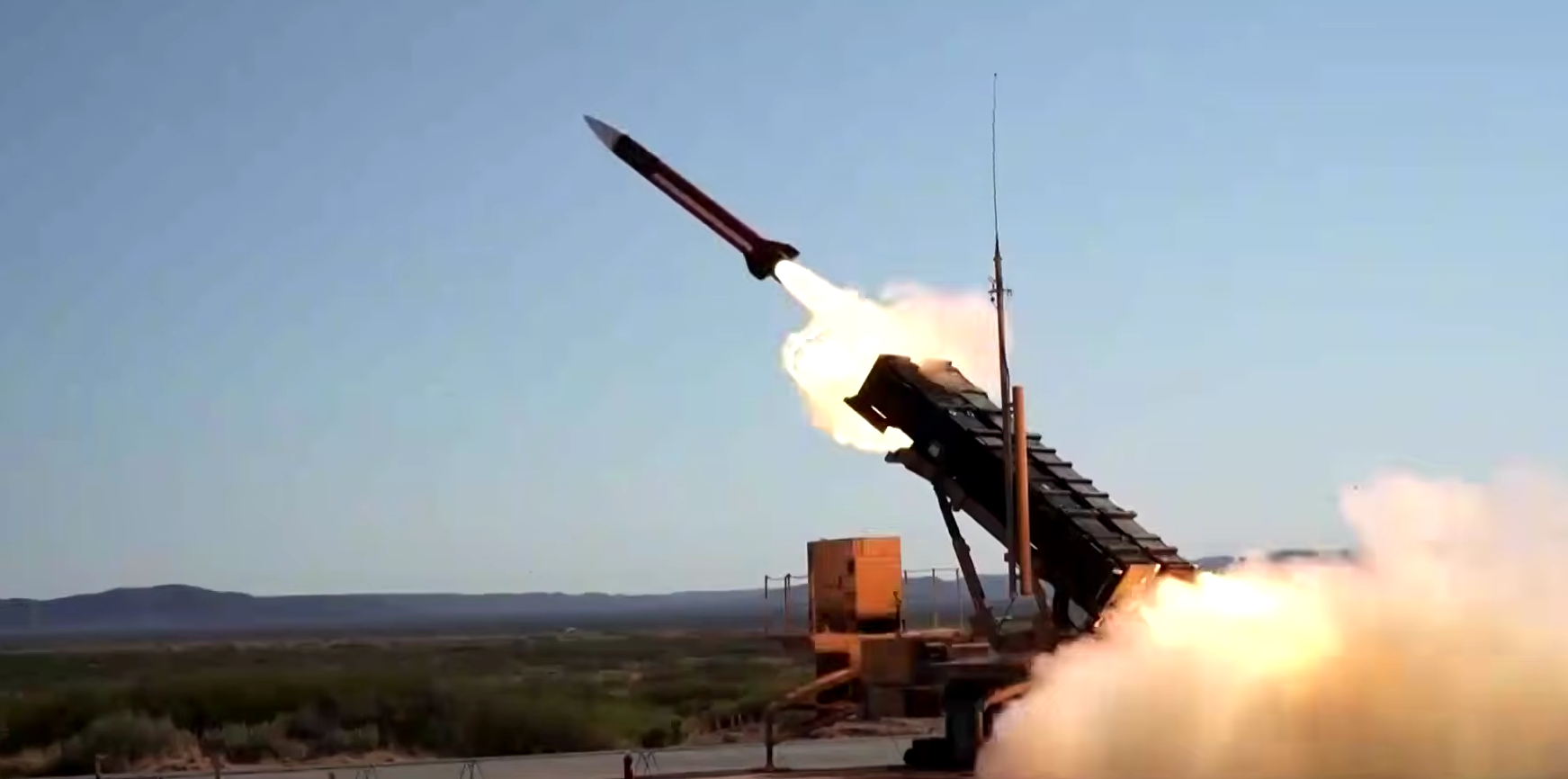
The U.S. Army has awarded Lockheed Martin a contract worth up to $58.6 billion to produce Patriot interceptor missiles, the Pentagon announced Wednesday. The deal marks a major expansion of efforts to rebuild U.S. weapons stockpiles that have been strained by simultaneous conflicts in Iran and Ukraine.
The agreement converts a previous one year contract worth $4.7 billion, awarded in April, into a seven year framework covering fiscal years 2026 through 2032. The multiyear procurement plan is designed to give the defense industry greater certainty while expanding production of one of the U.S. military’s most important air defense systems.
The scale of the Patriot missile contract reflects growing concerns about depleted inventories. The Center for Strategic and International Studies estimated that the U.S. military has fewer than 1,000 Patriot interceptors and fewer than 250 THAAD interceptors, both of which have seen heavy use in the Middle East.
The situation has raised concerns about the ability of the United States to simultaneously defend its forces, supply allies and maintain sufficient strategic reserves. The new agreement is intended to address those pressures by providing Lockheed Martin with a longer term production outlook.
Lockheed Martin Plans Major Patriot Production Increase
The PAC-3 MSE interceptor has become a central focus of the global air defense supply shortage. The hit to kill missile is used by the Patriot system against ballistic missiles, cruise missiles and aircraft, making it particularly important to countries seeking protection against increasingly sophisticated missile threats.
Lockheed Martin delivered 620 PAC-3 MSE missiles in 2025 and has already increased production by more than 60% over the previous two years. Under the new agreement, the company plans to triple annual production from approximately 600 missiles to 2,000 by the end of 2030.
The company also plans to invest between $8 billion and $9 billion through 2030 to modernize more than 20 U.S. facilities. Those efforts include new munitions centers in Alabama and Arkansas, while the Camden, Arkansas, facility is expected to expand its workforce by about 50%, from 1,200 employees to roughly 1,850.
The framework agreement is part of the Department of War’s Acquisition Transformation Strategy unveiled by Secretary Pete Hegseth. The approach is intended to give manufacturers greater certainty about future demand, encouraging them to invest in production capacity before shortages become critical.
The Pentagon and Lockheed Martin will also share in enhanced profitability resulting from volume efficiencies. The structure is designed to reduce the traditional dependence on annual appropriations before defense companies can make major investments in manufacturing capacity.
Ukraine and Allies Face Growing Patriot Missile Pressure
The urgency behind the Patriot missile contract extends beyond the United States. Ukraine has repeatedly warned about shortages of Patriot interceptors as Russia continues launching large scale combinations of missiles and drones against Ukrainian cities and infrastructure.
On July 6, 2026, Russia launched 68 missiles and 351 drones at Ukraine. Ukrainian air defenses intercepted nearly all cruise missiles and more than 90% of the drones, but Ukrainian officials said none of the 23 Iskander-M/S-400 ballistic missiles were intercepted, highlighting the importance of systems capable of countering those threats.
Lockheed Martin has also acknowledged uncertainty over delivery schedules for several allied customers. The company has said it cannot guarantee timelines for countries including Germany, Japan, Poland, the United Arab Emirates and Saudi Arabia because the U.S. government controls allocation priorities.
The Trump administration has meanwhile pushed defense contractors to prioritize production over shareholder payouts. President Donald Trump signed an executive order in January directing officials to identify underperforming contractors that continue distributing profits while failing to meet production targets.
The Patriot missile contract is part of a broader effort to expand U.S. weapons manufacturing. A similar framework agreement was reached with RTX to increase Tomahawk cruise missile production from roughly 60 annually to a potential 1,000 units per year.
Defense industry executives have welcomed the longer term production agreements, but major investments will still depend on congressional appropriations. Even a record breaking contract therefore does not eliminate the need for Congress to provide the funding required to expand components, facilities and manufacturing capacity.
The agreement ultimately illustrates the growing pressure on the U.S. defense industry as Washington attempts to replenish stockpiles while supporting partners facing active conflicts. For Lockheed Martin, the Patriot missile contract provides a major incentive to expand production, while for the Pentagon it represents an attempt to create a more resilient supply chain for critical air defense systems.