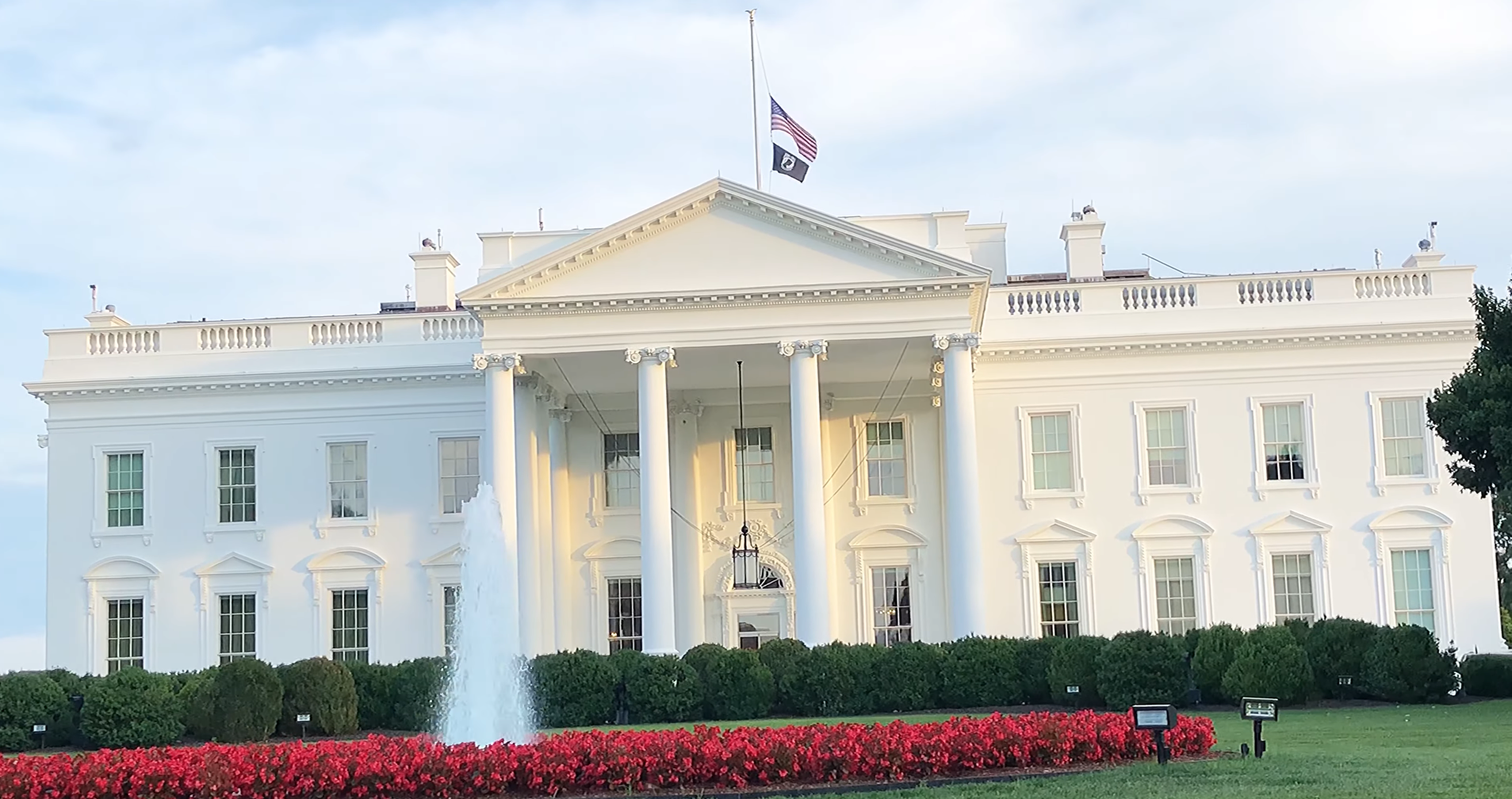
The Trump administration is preparing to spend at least $900 million on construction projects at the White House, using money from other federal agencies and private donors rather than seeking a direct congressional appropriation, according to a Washington Post report. The plan would reportedly route funding through the White House’s relatively small maintenance account, which normally contains only a few million dollars, to finance major “modernization projects,” including the proposed State Ballroom and a classified six story underground military complex.
The disclosure comes shortly after a federal appeals court ruled on August 7 that construction of the roughly $400 million ballroom must stop until Congress authorizes the project. In a 2-1 decision, the court upheld a preliminary injunction sought by the National Trust for Historic Preservation, with the majority arguing that decisions over a major White House construction project belong to Congress rather than the executive branch. The ruling has intensified questions over the White House overhaul funding strategy and the administration’s authority to proceed without a direct congressional appropriation.
The ballroom project was announced in July 2025 with an initial estimated cost of $200 million, but contractor Clark Construction estimated in March 2026 that the price had risen to roughly $600 million. More than half of that amount is projected to come from taxpayers. The proposed 90,000 square foot structure would accommodate up to 999 guests, more than four times the capacity of the current East Room, and has been personally championed by Trump as a replacement for temporary tents used for large state dinners.
The new East Wing would also sit above a six story underground facility replacing the demolished Presidential Emergency Operations Center. Plans reportedly include a military hospital, research facilities, and meeting rooms. The project has attracted criticism from historians, preservationists, architects, and members of the public, with polling showing substantial opposition. Thousands of public comments have also reportedly criticized the proposal, while the removal of historic magnolia trees during demolition has added to concerns about the project’s impact on the White House grounds.
Funding Strategy Faces Congressional and Legal Challenges
The administration’s approach to financing the project has evolved as congressional support proved difficult to secure. Trump initially described the ballroom as a project that would not require taxpayer funding, saying private donors, including himself, would cover the costs. Alphabet, Google’s parent company, contributed $22 million as part of a settlement related to a lawsuit Trump filed against the company.
Congressional Republicans later proposed substantial federal funding following a shooting at the White House Correspondents’ Dinner in April 2026. Senator Lindsey Graham supported $400 million in federal funding, while Senate Judiciary Committee Chairman Chuck Grassley sought $1 billion for security features both above and below ground. Senate Parliamentarian Elizabeth MacDonough blocked the larger proposal from being included in a budget reconciliation package, while a June Senate vote to prevent construction without congressional authorization failed 52-47.
With direct congressional funding stalled, the administration appears to have shifted toward redirecting money from other agencies and using private contributions through the White House maintenance account. That strategy could test the limits of presidential spending authority and potentially trigger additional legal challenges. A White House spokesperson defended the renovations as being closely connected to presidential and White House security and said Trump and other individuals were providing approximately $400 million for the ballroom.
The appeals court has given the administration 14 days to seek relief from the Supreme Court, setting up a potentially significant constitutional dispute over executive spending authority. At the center of the controversy is a basic question about the White House overhaul funding, how much authority a president has to redirect federal resources toward major construction projects when Congress has not directly approved the spending.