Macedonia’s education system is once again facing strong criticism after the latest PISA results showed that the country’s 15 year old students continue to struggle with mathematics, reading and science. The 2025 international assessment has renewed a long running debate about the quality of education, with reactions ranging from criticism of previous reforms to concerns that standardized tests alone cannot fully explain what is happening inside schools. The latest results show that Macedonian students remain well below the levels expected in many education systems, raising questions about how effectively schools are preparing young people to use knowledge in real life rather than simply memorize information for exams.
The results are particularly concerning in mathematics, where the performance of Macedonian 15 year olds declined compared with the 2022 assessment. Reading and science performance remained at approximately the same level, rather than showing the significant improvement that education officials would like to see. According to the latest figures, only around 32 percent of students reached at least the basic level of knowledge in the assessment. PISA is designed to measure how students apply what they have learned to real world problems, meaning the results are often viewed as an indication of whether an education system is developing practical skills, problem solving and the ability to understand and use information.
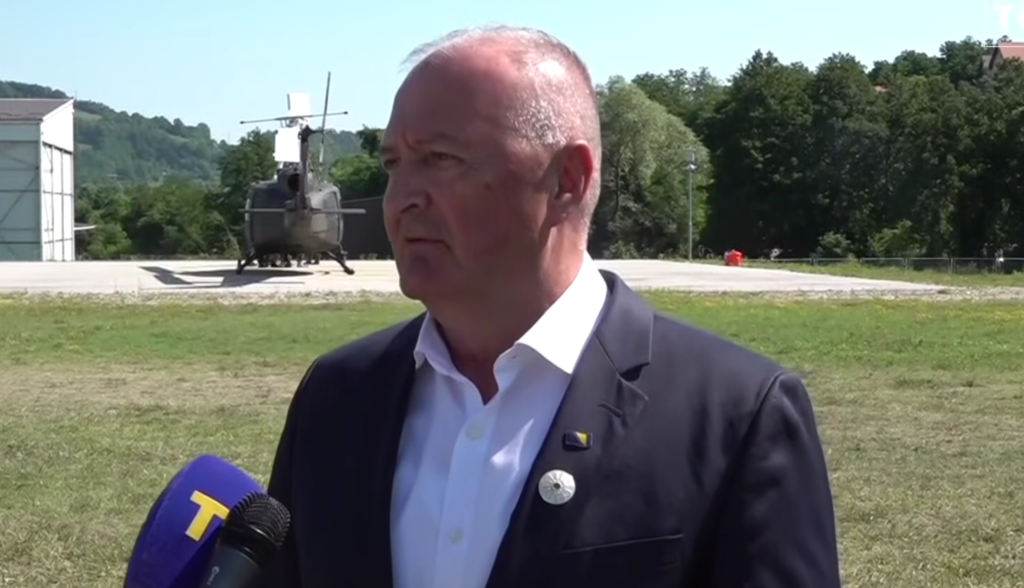
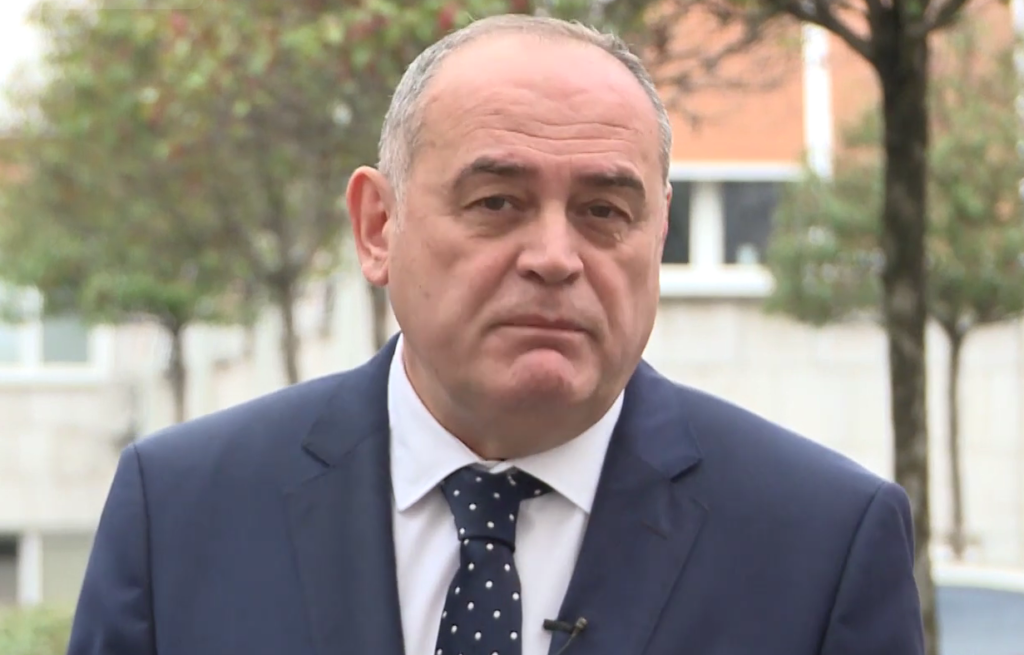
Education Minister Vesna Janevska has argued that the latest results largely reflect reforms and decisions made before the current government came to power in 2024. She pointed out that the students tested in 2025 had already spent most of their education under the previous system and that only a short period had passed since the change of government. Janevska has also said that the current reforms will require years before their effects can be measured, suggesting that improvements cannot be expected immediately. At the same time, the minister has acknowledged that the results are very poor and that Macedonia needs substantial changes in the way students learn. The Education Ministry has previously identified modernization of curricula, critical thinking, digital skills and the practical application of knowledge as important parts of its stated educational goals.
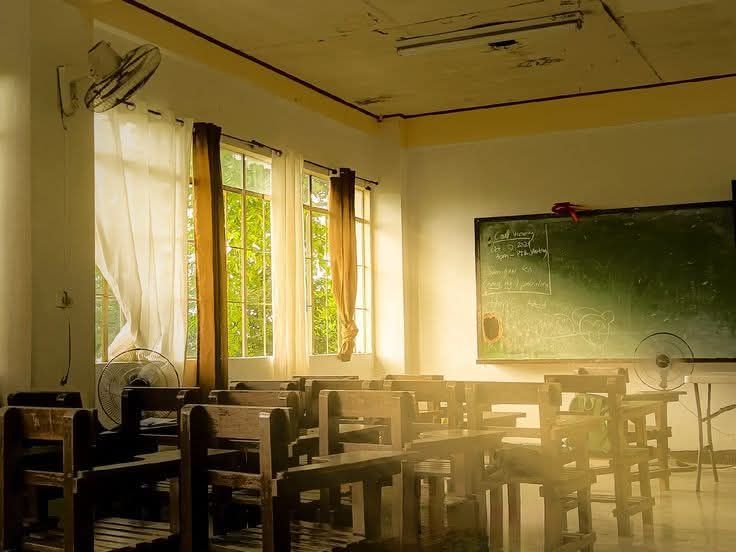
However, education experts and researchers have also warned against interpreting PISA results as a complete picture of the entire education system. A recent publication on functional literacy in Macedonia points out that standardized testing has limitations and that factors such as teaching methods, student motivation, classroom conditions and the ability to connect information with everyday situations also matter. The research stresses that functional literacy involves more than producing correct answers on a test, while tasks requiring students to connect information and explain or defend their opinions can provide important insight into critical thinking skills. The new PISA results therefore represent another warning sign for Macedonia, but they also highlight a broader question about what schools should ultimately teach: not simply how to pass tests, but how to understand information, think independently and apply knowledge in everyday life.