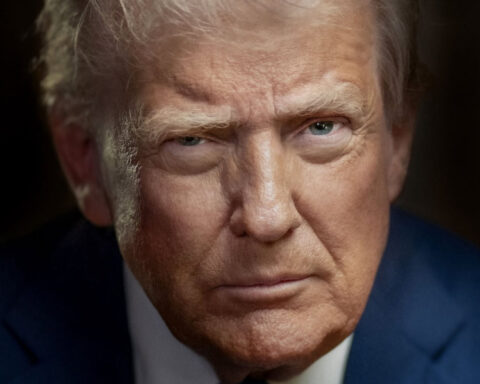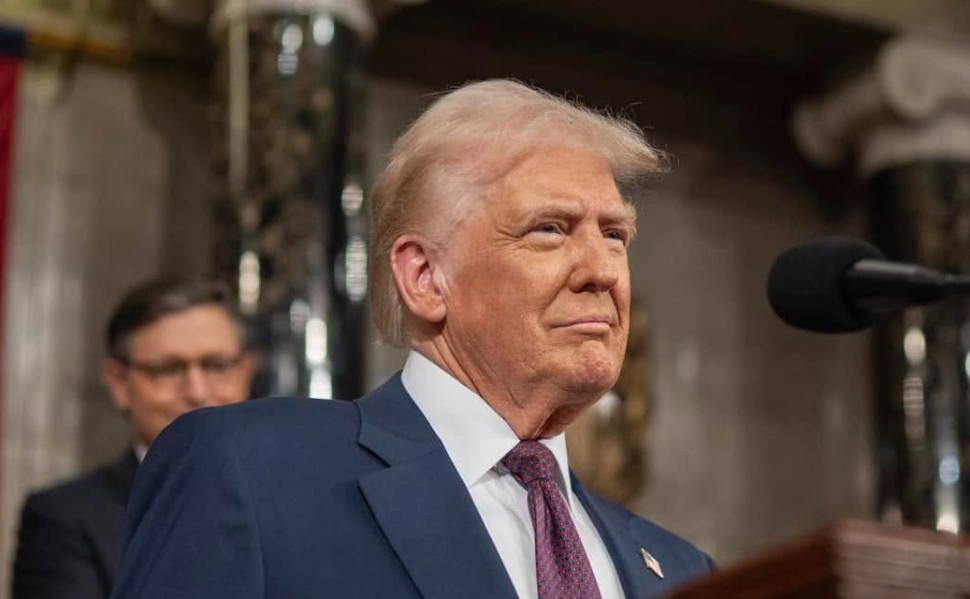
Inflation in the United States has climbed to 3.7 percent, putting President Donald Trump and Republicans under growing pressure just days before the November 3 midterm elections. Rising gasoline prices, expensive housing and persistent household costs are fueling voter frustration despite the administration’s claims of economic progress.
The latest inflation figures show that consumer prices rose 3.7 percent in September compared with a year earlier, up from 3.4 percent in August, according to the US Labor Department.
The increase has intensified concerns about the cost of living, which has become one of the defining issues of the 2026 congressional elections.
Gas Prices and Household Expenses Strain American Families
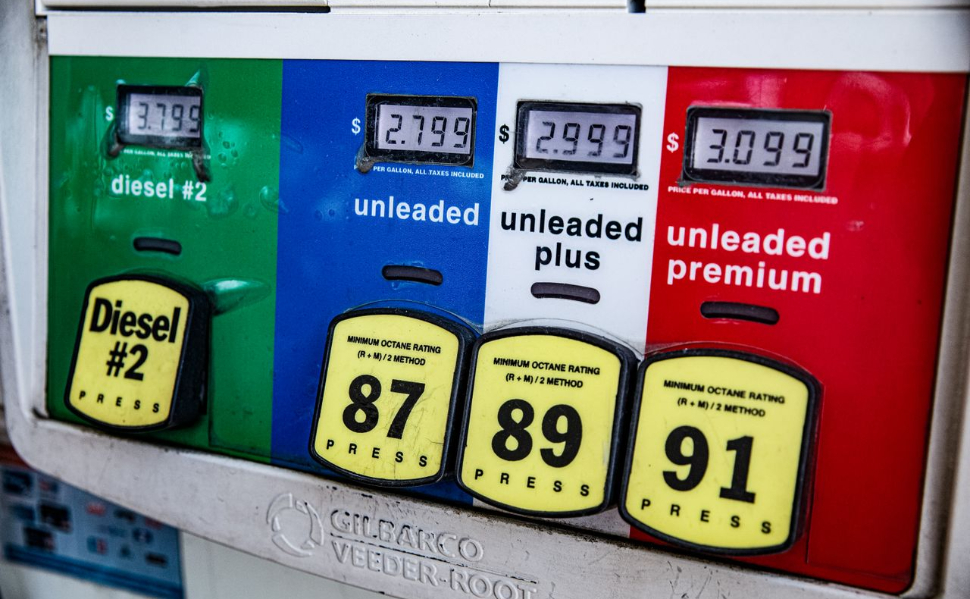
Gasoline prices rose 9.1 percent between August and September, contributing significantly to the latest inflation increase. Higher fuel costs have also affected transportation, shipping and agricultural expenses.
Airfares increased 22 percent compared with a year earlier, while hotel prices were 4.4 percent higher. Housing costs and elevated borrowing rates continue to make homeownership difficult for many Americans.
Grocery prices offered some relief in September, declining slightly from the previous month. Nevertheless, food remains considerably more expensive than it was several years ago, leaving many households struggling to manage their budgets.
The economic pressure has been compounded by the war with Iran, which has disrupted energy markets and contributed to higher fuel prices.
Trump has repeatedly described the American economy as strong, pointing to continued economic growth, relatively low unemployment and stock market performance.
Yet many voters say those indicators do not reflect their daily financial circumstances.
Trump’s Economic Approval Falls Ahead of November 3 Elections
Public dissatisfaction with rising prices could have serious consequences for Republicans seeking to retain control of Congress.
A recent Associated Press-NORC Center for Public Affairs Research poll found that only 17 percent of American adults approve of Trump’s handling of the cost of living.
Just 26 percent approve of his overall management of the economy, while 65 percent believe his policies are contributing to persistently high prices.
Trump made reducing inflation a central promise during his 2024 presidential campaign. However, annual inflation has increased from 3 percent when he returned to office in January 2025 to 3.7 percent in September 2026.
Democratic candidates have made affordability a major campaign issue, criticizing the administration’s tariffs and the economic consequences of the Iran war.
Republicans, meanwhile, continue to emphasize economic growth, employment and stock market gains while arguing that some inflationary pressures are linked to global developments.
The outcome of the November 3 elections will determine whether Republicans maintain their majorities in the House of Representatives and Senate.
With voters increasingly concerned about everyday expenses, inflation could become a decisive factor in several competitive congressional races.