Serbia’s Student List plans to send delegations to Washington and Moscow to discuss US sanctions and Russian gas supplies after forming a new government. The announcement comes as the movement prepares to take power following its parliamentary election victory.
Radomir Saičić, a candidate from the Student List, outlined the plans in an interview with Serbian weekly NIN on October 29.
The proposed talks would focus on two major energy issues: US sanctions against Serbia’s oil company NIS and the future of Russian gas deliveries.
Serbia’s existing gas supply agreement with Russia expires on December 31, 2026.
Washington and Moscow on Serbia’s Agenda
Saičić said the Student List would prioritize energy security during its first 30 days in government.
In Washington, representatives would discuss the status of US sanctions against Naftna Industrija Srbije (NIS), including the expiration of a temporary suspension granted by the US Treasury Department’s Office of Foreign Assets Control (OFAC).
In Moscow, the delegation would seek a longer-term agreement for Russian natural gas supplies.
The proposed diplomatic efforts reflect Serbia’s continued economic ties with Russia and the importance of its relationship with the United States.
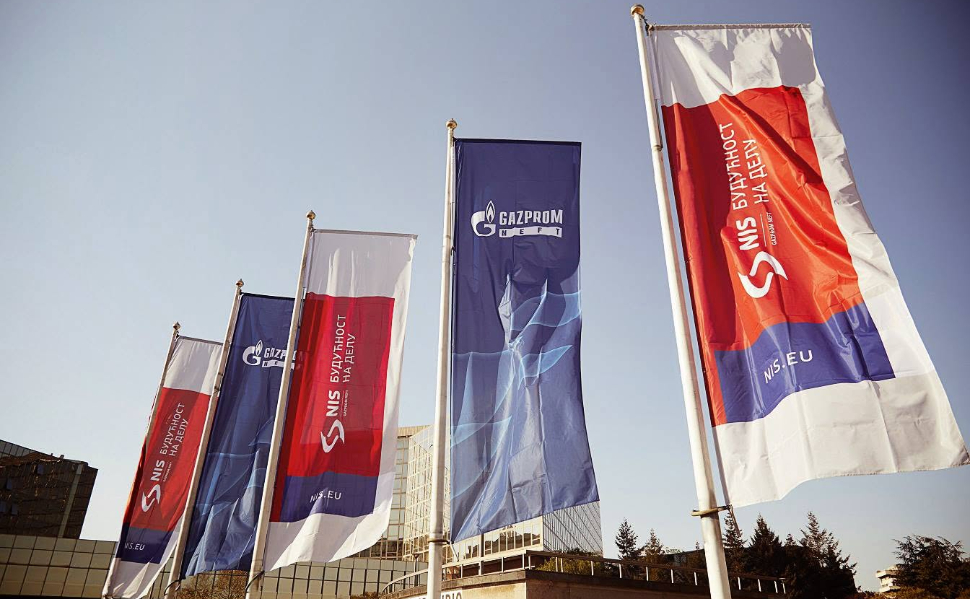
NIS plays a major role in Serbia’s fuel market. Its operations include the Pančevo oil refinery, a key facility for the country’s domestic fuel supply.
The company submitted a new request to the US Treasury on October 24 for authorization to continue operating beyond October 30.
The status of that request remains an important issue for Serbia’s energy sector.
New Government Outlines Economic Priorities
Saičić also described the Student List’s economic plans for its first month in office.
The movement wants to maintain stability in the Serbian dinar, ensure regular payments of salaries and pensions, and protect energy supplies.
It also plans to prepare Serbia’s 2027 budget, with greater transparency in public spending.
Over its first 100 days, the movement intends to introduce institutional reforms and changes to public administration, according to Saičić.
The Student List emerged from the protest movement that followed the November 2024 railway station canopy collapse in Novi Sad, which killed 16 people.
Its election victory ended the long parliamentary dominance of President Aleksandar Vučić’s Serbian Progressive Party.
However, forming a government remains a separate political process.
The proposed visits to Washington and Moscow have not yet taken place, and no agreements have been announced.
For Serbia’s incoming leadership, energy negotiations could become one of the first major tests of its ability to manage relations with both the United States and Russia.