The global economy is edging toward a new energy storm, one that analysts say could surpass the severity of the crises that shook the world in the 1970s.
As tensions surrounding Iran enter a fourth consecutive week, warnings from top energy officials are growing more urgent. This is no ordinary market volatility; it is a disruption that could ripple across every major economy.
Fatih Birol, Executive Director of the International Energy Agency, cautioned that the world is now grappling with a rare convergence of crises: two oil shocks and one gas crisis unfolding simultaneously. According to Birol, the current situation could exceed both the oil shocks of the 1970s and the energy fallout following Russia’s 2022 invasion of Ukraine.
At the heart of the crisis is a breakdown in critical energy flows. The near-closure of the Strait of Hormuz – a vital artery through which roughly 20% of the world’s oil and gas supplies pass – has severely disrupted global energy movement. The consequences are already visible: surging prices, volatile markets, and mounting anxiety among governments and industries.
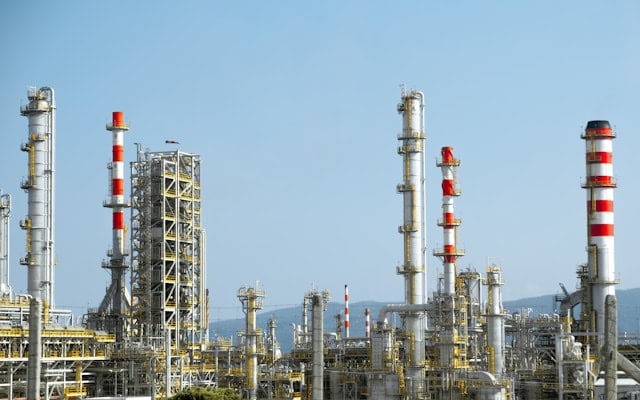
But the impact goes far beyond oil and gas. Supply disruptions are now hitting essential sectors, including petrochemicals, fertilizers, sulfur, and helium – materials critical to modern industry. Adding to the strain, at least 40 energy facilities across the Persian Gulf region have sustained significant damage, meaning recovery will likely be slow even if tensions ease.
The scale of the disruption is striking. An estimated 11 million barrels of oil per day have already been removed from global supply, along with approximately 140 billion cubic meters of natural gas. For comparison, the oil crises of 1973 and 1979 each cut about 5 million barrels per day—underscoring the magnitude of today’s shock.
In response, the International Energy Agency has initiated an unprecedented release of 400 million barrels from strategic reserves. However, Birol acknowledged that such measures can only soften the blow temporarily—not resolve the underlying crisis.
Additional steps are now under consideration, including further reserve releases and demand-reduction policies. Governments are weighing measures such as remote work mandates, highway speed limits, and reduced air travel, echoing strategies last seen during previous energy emergencies.
Geopolitical tensions are further complicating the situation. U.S. President Donald Trump has issued an ultimatum to Iran to reopen the Strait of Hormuz, warning of potential strikes on energy infrastructure. Tehran has responded with equally sharp rhetoric, raising the risk of further escalation and potential attacks on regional energy assets.
While regions like North America may partially cushion the shock through increased production, the interconnected nature of global markets means no country will remain unaffected. Europe is already experiencing pressure on diesel and jet fuel supplies, while Asia is directly exposed to the Strait’s disruption.
“No country will be immune if this crisis continues on its current path,” Birol warned, emphasizing that only a coordinated global response can prevent deeper economic fallout.
At a time when the world is already navigating economic uncertainty, the unfolding energy crisis threatens to become a catalyst for broader disruption—from rising inflation and industrial slowdowns to heightened geopolitical instability. The question now is whether the international community can act swiftly or risk allowing the crisis to spiral into a far more severe global shock.