While the United States insists that “productive” talks are underway to end the conflict with Iran, officials in Tehran continue to deny that any negotiations are taking place.
Diplomatic contacts do exist — but they are indirect, limited, and far from a structured peace process. Messages are being passed through intermediaries such as Pakistan, allowing both sides to test positions without formally committing to negotiations.
This grey zone allows Washington to signal momentum, while Tehran avoids the political cost of appearing to engage under pressure.
Indirect Channels, No Formal Breakthrough
Behind the scenes, communication lines remain open, but there is no evidence of direct, sustained negotiations that could produce a near-term agreement.
This helps explain the starkly different public narratives. The U.S. portrays ongoing engagement as progress, while Iran dismisses it as non-existent.
In practical terms, both are correct, but a deal remains distant.
U.S. and Israeli Objectives
At the outset of the conflict on February 28, policymakers in Washington and Jerusalem appeared confident that military pressure would either collapse the Iranian regime or force it into accepting U.S. terms.
That expectation has not materialized. Instead, U.S. and Israeli objectives have crystallized into a set of strategic demands, including dismantling Iran’s nuclear program, limiting its ballistic missile capabilities, ending support for regional proxy groups, and rolling back Iran’s influence across the Middle East.
In exchange, Washington is believed to be offering sanctions relief and limited security arrangements, including coordination related to the Strait of Hormuz.
However, the longer the Iranian system remains intact, the stronger its negotiating position becomes.
Iran’s Position and Strategic Ambitions
Iran initially rejected reported U.S. proposals as excessive. While recent statements from Iranian officials suggest some flexibility, there has been no indication of a fundamental shift in position.
Tehran’s key demands include war reparations, international recognition of its authority over the Strait of Hormuz, and guarantees against future military action.
Beyond these immediate conditions, Iran is pursuing a broader geopolitical objective — restoring its role as the dominant power in the Gulf, a position it held prior to the 1979 revolution.
This would likely involve reducing or eliminating the U.S. military presence in the region, including the Fifth Fleet stationed in Bahrain.
Gulf States Caught in the Middle
For Arab Gulf countries, the situation is increasingly precarious.
Before the conflict, a fragile balance had emerged between these states and Iran. That balance has now been disrupted.
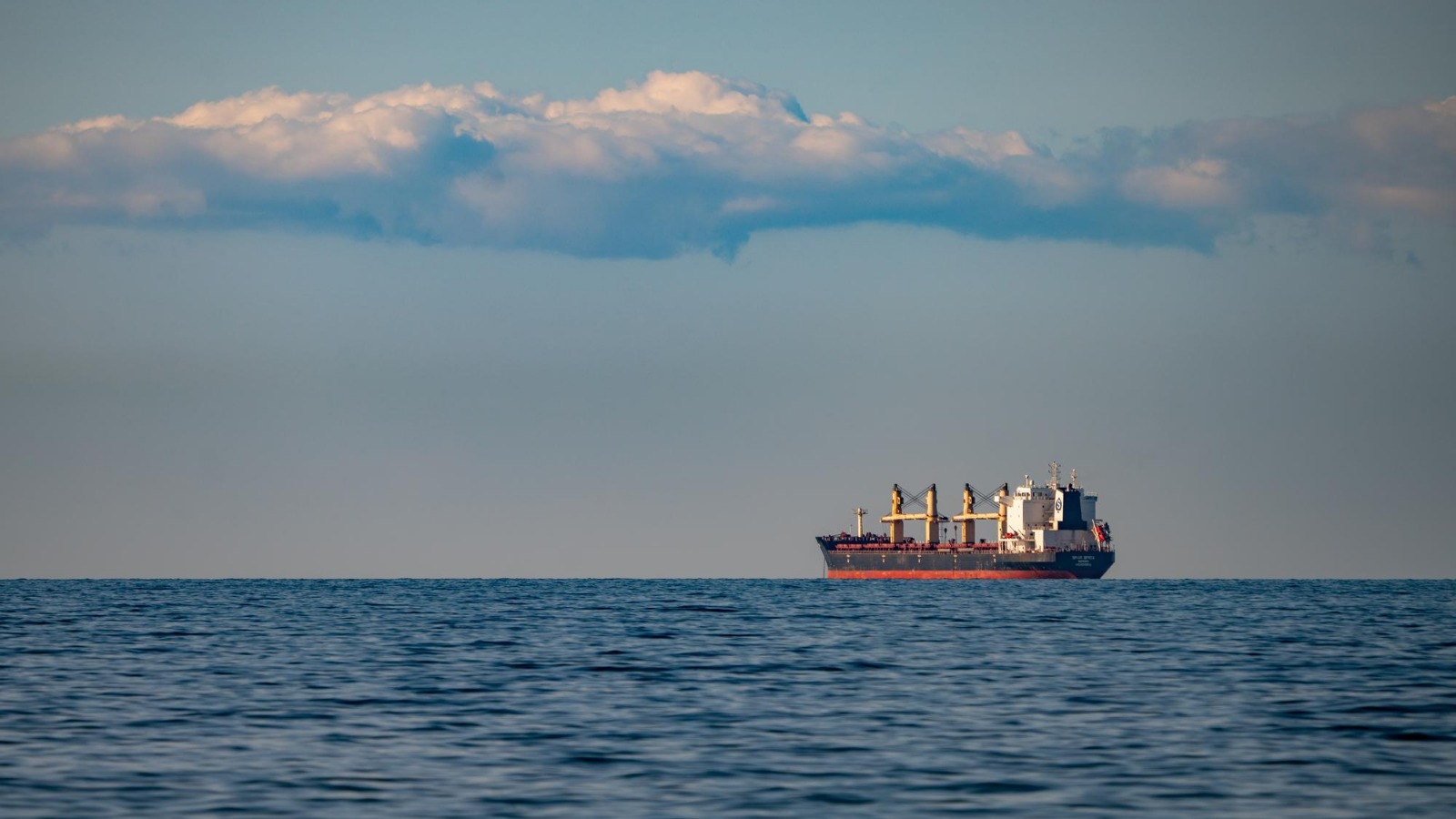
Iran has not been defeated, regional instability is rising, and attacks involving drones and missiles have intensified. At the same time, Tehran’s effective control over the Strait of Hormuz has given it significant leverage over global energy flows.
This combination has heightened concerns across the region.
Stalemate or Escalation?
Despite optimistic signals from Washington, the broader trajectory points toward a strategic stalemate.
The situation increasingly resembles other protracted conflicts, where both sides express willingness to end hostilities—but only on terms unacceptable to the other.
Meanwhile, the United States continues to reinforce its military presence in the region. This could serve as leverage in future negotiations, but it also raises the risk of escalation.
Any potential ground operation would carry high political and military costs, including the possibility of U.S. casualties and deeper involvement in the conflict.