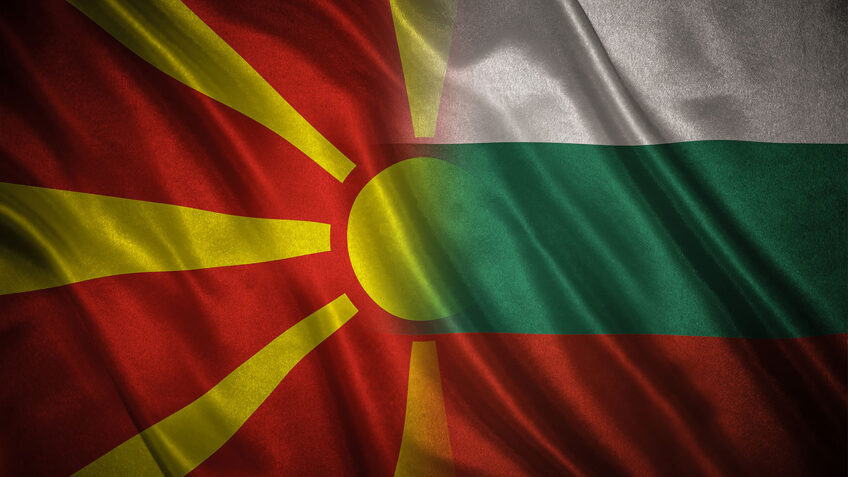
Tensions between Skopje and Sofia have intensified once again, as disagreements over constitutional amendments continue to stall Macedonia’s path toward European Union membership. The dispute reflects deeper divisions over the implementation of commitments tied to the 2022 negotiating framework with the EU.
Bulgarian officials, including Vice President Iliana Iotova and Deputy Foreign Minister Marin Raykov, have stepped up diplomatic engagement in Brussels, reiterating that the inclusion of Bulgarians in Macedonia’s Constitution is not a bilateral matter but an obligation under European law. Bulgarian representatives in the European Parliament, such as Stanislav Stoyanov, have also expressed concern over what they describe as attempts to reinterpret the negotiating framework—an approach Sofia firmly rejects. At the same time, criticism in Bulgaria has emerged about the effectiveness of its diplomatic efforts, with calls for stronger involvement from figures like Nadezhda Neynsky.
On the domestic front, Prime Minister Hristijan Mickoski has maintained a firm stance against constitutional changes without clear guarantees safeguarding national interests. He has stressed the importance of predictability in the process, rejecting what he describes as externally imposed conditions. In contrast, the opposition, led by Venko Filipče, has accused the government of distancing the country from the EU and undermining its European future. The issue has deepened political polarization, with competing narratives over national identity and strategic priorities dominating public discourse.
At the European level, debates within the European Parliament, including discussions surrounding a report by Thomas Waitz, have highlighted broader divisions on EU enlargement policy. Some European officials, such as German minister Johann Wadephul, have advocated for reforms that would limit the use of veto power in foreign policy decisions, potentially shifting toward qualified majority voting. Bulgaria, however, has signaled resistance to such changes, viewing them as contrary to its national interests.
Analysts warn that escalating rhetoric on both sides risks overshadowing substantive dialogue. Experts like Maria Simeonova and Dimitar Atanasov suggest that political messaging often serves domestic agendas rather than facilitating solutions.
The current deadlock presents several long-term risks. A prolonged inability to reach a compromise could lead to extended stagnation in EU accession talks. Frequent shifts in conditions risk undermining trust in the negotiation process, while the lack of clear guarantees has made constitutional amendments a politically sensitive issue within Macedonia. Together, these dynamics create a cycle of mutual accusations, leaving the country’s European integration uncertain and its citizens facing the consequences of continued delay.